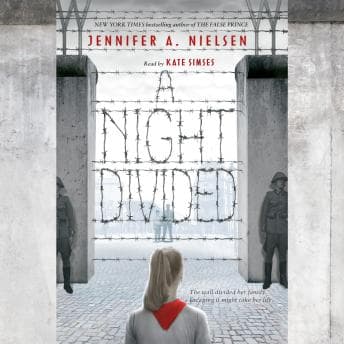

I've been teaching The Diary of Anne Frank for fifteen years, and every single time I think I've exhausted what I can say about young people living under impossible circumstances. Then something like A Night Divided comes along and reminds me why historical fiction exists - not to replace the primary sources, but to make them breathe for readers who weren't there.
Look, I'll be honest. I picked this up because a student recommended it. Eighth grader named Marcus (yes, same name, yes he thinks it's hilarious) said his mom listened to it on their road trip and cried. I figured if it could make a middle schooler's mom cry, it was worth seven hours of my lakefront walks.
He wasn't wrong.
The Wall Nobody Teaches Right
Here's my problem with how we teach the Cold War: it becomes abstract. Numbers, dates, acronyms. NATO. USSR. The Berlin Wall becomes a trivia question instead of a concrete thing that split families in half overnight. Nielsen gets this. She understands that history isn't about geopolitics - it's about a twelve-year-old girl who wakes up one morning and her father is just... gone. On the other side. Unreachable.
Gerta's situation is so specifically rendered that it stops being "historical fiction" and starts being someone's actual nightmare. The watching. The not-watching because watching is suspicious. The neighbors who might report you. The way trust becomes a luxury you can't afford.
This reminds me of what Hemingway said about writing true sentences. Nielsen writes true sentences. Simple ones, sometimes. But true.
Kate Simses Understands That Pause Is Punctuation
Now, about the narration. I've seen some reviews calling Simses "robotic," and I want to push back on that. Hard.
What I think those listeners are hearing is restraint. Simses doesn't melodramatize. She doesn't sob through emotional scenes or whisper dramatically when things get tense. She trusts the material. And honestly? That's the right call for this book. Gerta isn't a dramatic kid. She's a scared kid trying to survive. The narration matches that energy - controlled on the surface, with terror bubbling underneath.
The pacing is where Simses really shines. There's this ebb and flow to the tension that had me missing my turn-around point on the lakefront more than once. (Denise was not impressed when I came home twenty minutes late. Worth it.) When Gerta's watching the wall, when she's digging, when she's pretending everything is normal at school - Simses calibrates each scene perfectly. The fear of capture feels palpable. The hope of reunion feels earned.
Her character voices are distinct without being cartoonish. Fritz sounds like a teenage boy trying to be brave. The mother sounds exhausted in that specific way mothers sound when they're holding everything together by sheer will. Even the minor characters - the suspicious neighbors, the soldiers - feel real.
I listened at 1.0x because the prose deserves to be savored. My students would hate this take. They speed up everything. But Nielsen chose those words, and Simses delivers them with intention. Speeding up would lose something.
Who Should Listen (And Who Should Skip)
This is a perfect audiobook for parents and kids to listen to together. Not because it's sanitized - there's real tension here, real danger - but because it opens conversations. About freedom. About what people sacrifice to get it. About how walls (literal and otherwise) don't actually solve anything. Skip it if you need fast-paced action or can't handle sustained dread; this one builds slowly and deliberately.
If you loved Number the Stars or Between Shades of Gray, this is their spiritual successor. I'd add Count of Monte Cristo to that list—different era, sure, but the same understanding that young readers can handle complex stories about injustice and escape. Same emotional weight, same respect for young readers, same refusal to talk down to them.
Class Dismissed
The ending - I won't spoil it - but I will say this: I was grading papers at 11 PM when I finished, and I had to put my pen down for a minute. Just sit there. That's the mark of good historical fiction. It doesn't just inform you. It haunts you a little.
Worth pausing the faculty meeting for. (Sorry again, Principal Martinez.)