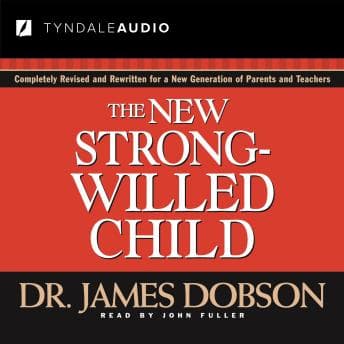

I went into this audiobook with some skepticism. Dobson's been a polarizing figure in parenting circles for decades, and I wasn't sure how his approach would land with me. But here's the thing: I found myself nodding along more than I expected. And disagreeing loudly in other moments. Which is probably exactly what a good parenting book should do.
The Voice That Makes It Work
John Fuller narrates this one, and he's the reason I stuck with it through some of the more contentious sections. The guy sounds like your wise uncle who's actually read the research - conversational without being preachy, warm without being saccharine. There's a section early on structured as an interview, and Fuller handles the back-and-forth beautifully. It genuinely feels like you're eavesdropping on a conversation between two people who've been in the trenches with difficult kids.
I listened to chunks of this while grading papers at 11 PM (my students would be horrified to know their essays on The Great Gatsby were competing with parenting advice), and Fuller's pacing kept me engaged even when my eyes were crossing from reading about the green light for the hundredth time. Clean production, no weird audio artifacts, just steady delivery that doesn't get in the way of the content.
Where Dobson Gets It Right - And Where He Loses Me
Look, I've spent twenty years watching teenagers, which means I've seen the downstream effects of every parenting philosophy imaginable. Dobson's core insight - that some kids are just wired differently, that they push back harder and need different approaches - rings true. I've had students who were clearly that strong-willed kid, now grown up and channeling that intensity into debate team or student government. The chapter on protecting a child's spirit while shaping their will? That's genuinely thoughtful stuff.
But here's where I have to be straight with you. This book comes from a specific worldview. A fundamentalist Christian perspective that shapes everything from the discipline advice to the gender discussions. That same theological framework runs through Bible (WEB) Old Testament - complete, which obviously makes sense given Dobson's grounding in scripture. If you're looking for secular parenting guidance, this isn't it. Some of the examples feel dated - and not in a charming vintage way, more in a "the world has moved on" way.
Denise and I don't have kids (unless you count the 150 teenagers I'm responsible for nine months a year), but I kept thinking about which of my students' parents would find this helpful versus which would throw it across the room. It's a pretty even split, honestly.
The Practical Stuff That Actually Lands
Where Dobson shines is in the specifics. The sections on ADHD and sibling rivalry aren't just theory - they're actionable. He talks about what to do when your kid is melting down in the grocery store, how to handle the child who argues every single point, when to hold firm versus when to bend. This is where his decades of clinical experience show through.
The audiobook runs about 6 hours and 44 minutes, and Fuller keeps it moving. No section drags too long before shifting to the next topic. I appreciated that - my attention span for parenting advice is limited, even when it's well-delivered.
Who This Works For (And Who Should Skip It)
If you're a parent or teacher struggling with a kid who seems determined to do everything the hard way, and you're comfortable with (or at least not opposed to) Dobson's Christian framework, this is genuinely useful. The practical advice is solid, the narration is excellent, and at under 7 hours, it's not asking for a massive time commitment. But if religious perspectives in parenting advice make you uncomfortable, or if you're looking for more progressive approaches to child development, keep scrolling. That's not a criticism - it's just knowing your audience.
I'd recommend sampling the first chapter before committing. Fuller's narration will give you a sense of the tone, and Dobson's opening will tell you pretty quickly whether his worldview aligns with yours.
The Teacher's Take
My students would probably roll their eyes at me listening to parenting books when I don't have kids. But twenty years of teaching has taught me this: understanding why kids push back is half the battle. Whether you agree with Dobson's solutions or not, his diagnosis of the strong-willed child is worth considering.