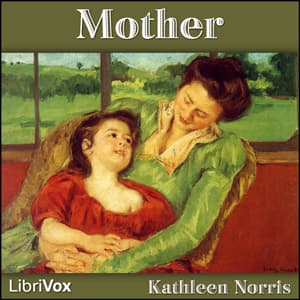

I was between client calls last Tuesday, had exactly 2 hours and 48 minutes before my next Zoom, and thought - why not? A book called "Mother" about a woman finding happiness in domestic life. Written in 1911. This is either going to be insufferably dated or surprisingly relevant.
It was both. And that's what made it interesting.
What My Parents Already Knew
Look, here's the thing. Margaret in this book watches her mother manage seven kids, a household, endless work - and wonders how she can possibly be happy. And I'm sitting there thinking about my own mom, standing behind that dry cleaning counter in Koreatown, pressing shirts at 6 AM, still finding time to pack me lunch with little notes in Korean.
Kathleen Norris wrote this over a century ago, but she's basically describing what I watched growing up. The idea that meaningful work - even unglamorous, repetitive, unrecognized work - can be the source of genuine contentment. This isn't a business book, obviously. But it's got more to say about sustainable fulfillment than half the "find your passion" garbage cluttering my Audible library.
The bottom line: the core insight is worth hearing. Purpose isn't found in escaping hard work. It's found in the work itself. My parents didn't need a book to tell them that. They lived it.
Megan Kunkel's Quiet Competence
I couldn't find much about Megan Kunkel online, but based on this performance - she gets it. Her narration is clear, warm, doesn't try to be fancy. She reads like someone who actually understands the material, not just pronouncing words.
For a LibriVox recording (yeah, this is public domain territory), the production is surprisingly clean. No weird background noise, no volume drops. Kunkel maintains consistent pacing throughout, which matters when you're dealing with early 20th-century prose that could easily become a slog.
Honest assessment: the narration elevates material that might otherwise feel like homework. She brings genuine warmth to Margaret's journey without overselling the emotional beats. Professional, understated, effective. The kind of narrator who doesn't make you think about the narration - which is exactly what you want.
The ROI Question
Okay, so should you actually spend three hours on this?
If you're looking for actionable frameworks or productivity hacks, hard pass. This isn't that book. But if you've ever caught yourself on the hedonic treadmill - chasing the next achievement, the next milestone, wondering why "success" feels hollow - there's something here. Ironically, No Excuses! tries to solve that same hollowness with more achievement - which kind of proves Norris's point.
The writing is dated. Some of the gender dynamics will make you cringe. (It's 1911, adjust expectations accordingly.) But Norris was clearly wrestling with questions that still matter: What makes a life meaningful? Is ambition the enemy of contentment? Can you find fulfillment in roles that society doesn't value?
I listened at 1.25x - the prose is dense enough that 2.0x felt rushed. At that speed, it's basically a long podcast episode. Manageable.
Jenny would probably say this book is good for me. That I need to hear that not everything has to be optimized. That sometimes the point is just... being present. She's probably right. (Don't tell her I said that.)
Who Should Listen (And Who Should Skip)
Best for: People who grew up watching their parents work impossibly hard and want to understand why they seemed okay with it. Listeners who appreciate reflective, slower-paced narratives. Anyone burned out on the hustle culture self-help industrial complex.
Skip if: You need immediate practical application. You can't handle early 1900s gender roles. You require plot twists and drama.
The key takeaway is worth the listen. The other 2 hours? Honestly, not bad either. This one surprised me. A 111-year-old book about motherhood taught by a woman who raised seven kids - and it's more grounded than most modern self-help.
My mom would like this. I might actually send it to her.