
Look, I'm supposed to be working on my thesis about procedural generation algorithms. Instead, I'm listening to a middle school kid rack up points for breaking rules like it's a roguelike with detention mechanics. And honestly? No regrets.
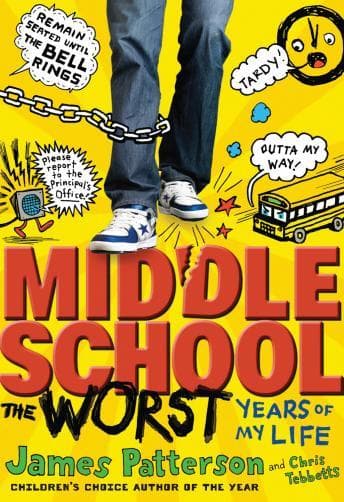
Middle School, The Worst Years of My Life hit my queue because my cousin's kid was visiting and I needed something we could listen to during a board game session. (He was learning Ticket to Ride. I was losing to an eleven-year-old. The audiobook was the only thing preserving my dignity.) What I didn't expect was to actually get invested in Rafe Khatchadorian's whole deal.
The Gamification of Chaos
Here's what grabbed me immediately: Rafe's "Operation R.A.F.E." is basically a point system for breaking every rule in his school's Code of Conduct. Chewing gum? 5,000 points. Running in the hallway? 10,000. It's like someone designed a progression system for getting suspended, and my brain - trained by years of D&D experience tracking and LitRPG stat blocks - was absolutely here for it. That same strategic chaos energy shows up in Raven Boys, where teenagers treat supernatural mysteries like a campaign they're determined to min-max.
The book is smart about this, though. It's not just "haha, kid breaks rules." There's actual weight to why Rafe needs this outlet, why he's channeling everything into this elaborate game instead of dealing with the bullies and the family stuff and the general hellscape that is being twelve. Patterson and Tebbetts get that middle school isn't just awkward - it's survival mode for a lot of kids.
Bryan Kennedy's Comic Timing (With One Caveat)
Bryan Kennedy's narration walks this interesting line. He's got this young-sounding voice that makes Rafe feel genuinely like a kid, not an adult doing a "youth voice." His comic timing lands - there were moments where my cousin's kid was cackling and I was trying not to choke on my drink. Kennedy handles the humor and the genuine emotional beats without giving you tonal whiplash.
But here's the thing some listeners hate: the intro music situation. There's this electric guitar thing that apparently continues after the narration starts in some editions, and I can see how that would drive people nuts. I got lucky with my version, but if you're sensitive to audio production quirks, maybe preview first. Also - and I say this with love - Kennedy's voice is going to hit some people wrong. It's a very specific energy. My cousin's kid loved it. My advisor would probably find it "grating." (My advisor finds most things grating. Including my thesis progress. But I digress.)
When the Humor Hits Different
The laugh-out-loud moments are real. This isn't sophisticated humor - it's middle school chaos, absurd situations, the kind of comedy that works because it remembers what it actually felt like to be that age. Some of the plot twists feel wild when you hear them out loud versus reading them on paper, but that's kind of the point? It's Rafe's perspective, and Rafe is twelve and dramatic and processing trauma through elaborate schemes.
What surprised me was how the emotional stuff lands. There's family stuff in here - real, messy family stuff - that Kennedy delivers with enough weight that it doesn't feel like an afterthought. The book earns its moments instead of just being "funny kid does funny things."
Your Party's Alignment Matters
This is a perfect family listen. If you've got a kid in the 9-12 range who's dealing with school stuff, or you want something light for a road trip that won't make you want to drive into a ditch, this delivers. At 4 hours 15 minutes, it's a quick commitment - you could knock this out on a weekend.
Solo adult listeners looking for their next deep campaign? Skip this one. It's not trying to be that, and it knows it. But parents, teachers, anyone who hangs out with kids regularly - queue it up.
Roll Initiative on This One
Middle School, The Worst Years of My Life is exactly what it promises: a funny, surprisingly heartfelt look at surviving sixth grade through the lens of a kid who'd rather gamify rebellion than face his problems. Kennedy's narration mostly enhances this, with some production quirks that might annoy depending on your edition.
My cousin's kid immediately asked if there were more books in the series. (There are. Many. My thesis is going to suffer.) That's probably the best endorsement I can give. The humor lands, the emotional beats earn their keep, and it remembers that being a kid is actually hard.
Now if you'll excuse me, I need to explain to my advisor why I know more about Rafe Khatchadorian's point system than my own research methodology.