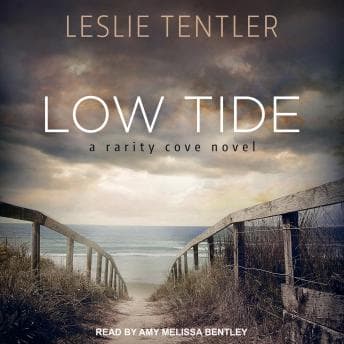

I study narrative identity for a living. Usually, when a book relies on the "famous actor returns home to humble roots" trope, I roll my eyes so hard it hurts. It's a cliché. But I was listening to Low Tide while meal-prepping for the week—chopping vegetables aggressively helps with the existential dread of grading papers—and I realized Leslie Tentler is doing something psychologically interesting here.
We have Carter (Hollywood star, survived a stalker attack) and Quinn (physical therapist, escaping an abusive ex).
The Mirror Effect
Psychologically, this is a fascinating case study in trauma bonding. (My therapist would probably call it codependency, but let's call it romance for the sake of the genre.)
Most authors would just throw these two together and make them kiss in the rain. But Tentler uses a mirroring technique that actually hooked me. Carter's stalker is a delusional fan; Quinn's stalker is a possessive ex-husband. One is obsessed with the image of the person, the other with owning the person. Seeing Carter recognize the patterns of his own trauma in Quinn's situation? That's the good stuff. It adds a layer of cognitive empathy that you don't always get in romantic suspense.
That same emotional depth shows up in Edge, where the suspense comes from understanding what drives people to their breaking points.
And honestly? The way they navigate safety together—it felt earned. It wasn't just "big strong man saves woman." Carter is physically broken when this starts. He needs her help to walk. The power dynamic shifts constantly. That's good writing.
Amy Melissa Bentley on Anxiety and Exhaustion
Here's the thing—narrating anxiety is hard. If you do it too well, the listener gets stressed out and turns it off. If you don't do it enough, the stakes feel low. Bentley finds this middle ground where you can hear the tremor in Quinn's voice, the hesitation, but it doesn't make you want to scream. She captures that "walking on eggshells" vibe perfectly.
Her male voices are decent, too. Carter sounds weary, which fits. He sounds like a guy who just wants to drink coffee on a porch and not be stabbed again. Relatable.
Why It Worked (Despite My Cynicism)
I'll admit, around the 60% mark, I was worried it would devolve into melodrama. And okay, there are moments that feel a bit... movie-script ready. (But given the protagonist is an actor, maybe that's meta?)
The suspense actually hits, though. The climax isn't just an action sequence; it's a psychological confrontation. I found myself pausing the audiobook while looking for parking near campus just to process a specific twist. That's usually a good sign. Or a sign I need to stop listening to thrillers while driving. One of the two.
Who's This For?
If you like your romance with a heavy dose of "we are both damaged but we fit together," this works. Skip it if you need fast-paced action from page one—this builds slowly, prioritizing character psychology over constant thrills. Lover Avenged does something similar with its damaged-but-compatible dynamic, though it leans harder into the fantasy elements. Low Tide explores the psychology of obsession without being totally depressing.
Now, back to my dissertation committee. Wish me luck.