
The "Is This A Rom-Com?" Mistake
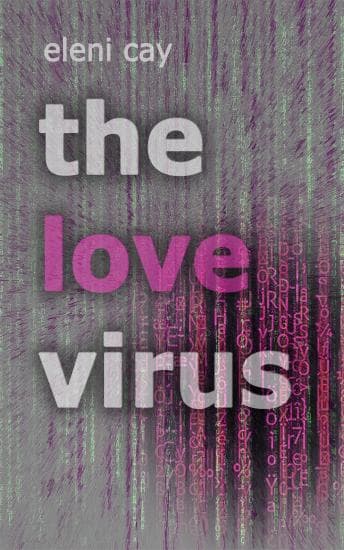
Look, I'm going to be honest with you. I picked this up because the title Love Virus sounded like one of those cheesy, delightful rom-coms where two people get stuck in an elevator during flu season and fall in love. (Don't judge me, I need the dopamine.)
I should've gone with something like It Ends With Us instead—at least that one delivers the emotional punch without the poetic detours.
I was... incorrect. Very incorrect.
I was sitting in my car in the driveway—my sacred 20-minute buffer zone before facing the chaos of dinner prep—and about ten minutes in, I realized this wasn't going to be the light, fluffy escape I planned. We're talking Multiple Sclerosis, paralysis, and a lot of very heavy, poetic introspection. Which is fine! It's deep. But it's definitely not something you listen to while trying to convince a toddler that mac and cheese is, in fact, a food group.
The Narration Situation
Here's the thing about audiobooks for moms: The narrator has to compete with the noise inside my head (the grocery list, the permission slips, the looming existential dread). They need to grab me.
Shelly Atton... didn't quite get there for me.
The research I did later said her style is "neutral," and yeah, that's one word for it. To me, it felt a little flat. Monotone, almost? I listen at 1.25x speed to survive, and usually, that perks a narrator up. Here, it just made the experience feel a bit robotic. There wasn't enough distinction between the characters, which is a problem when you're dealing with a story that's already pretty abstract.
There were moments where I literally checked my phone to see if I'd accidentally turned on a text-to-speech feature. (Okay, that's mean. It wasn't that bad. But it lacked the spark I need to stay awake during the afternoon slump.)
Poetry in Motion (Or Not)
So, Eleni Cay is a poet. And you can tell. The writing is beautiful in that lyrical, flowery way. It's described as a "verse novel" or stream-of-consciousness, which explains why I felt lost half the time.
When you're reading a physical book, you can linger on a metaphor. You can re-read a sentence that blows your mind. On audio? It just keeps moving.
The plot—Katie dealing with MS, the breakup, the handsome psychologist Dr. Andrews—felt a bit like wading through syrup. Because it's so internal, so diary-like, I found my mind wandering. I'd zone out for a second to yell at the kids to stop using the dog as a pillow, come back, and have absolutely no idea if we were in a hospital or a dream sequence.
Also, weird side note: The genre tags listed "Kids & Family" somewhere? False. Do not play this with the kids in the car. There's sexual content and heavy medical trauma. Sophie is 2, but she absorbs vibes, and the vibes here are stressed.
Who Should Listen (And Who Should Skip)
If you are a lover of poetry, have a quiet room, a glass of wine, and zero children screaming for snacks, you might appreciate the artistry here. The description of chronic illness is raw and feels very real (the author knows her stuff). It's emotional. It's heavy.
Book of Life: A Novel had some of that same heavy introspection, but at least the story kept moving forward.
But if you are me—multitasking, tired, looking for a plot that moves from A to B without taking a detour through a sonnet—this might frustrate you. Skip it if you need something you can follow while refereeing sibling disputes.
I finished it (because I'm stubborn), but I didn't get that "satisfied sigh" at the end. I mostly just felt relieved it was over so I could go back to something with a little more pep.









