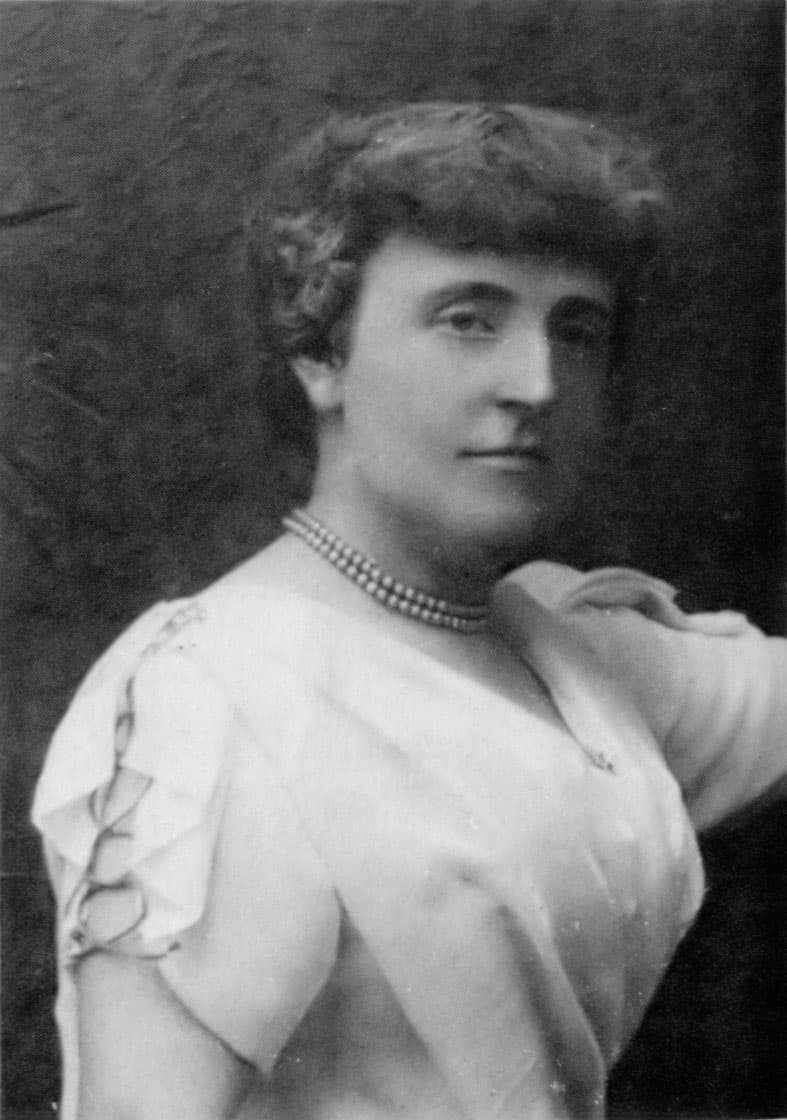

Frances Hodgson Burnett wrote a spy novel for children in 1915 and nobody talks about it.
Seriously. Everyone knows The Secret Garden. Everyone assigns A Little Princess to their fourth graders. But The Lost Prince sits in this strange, beautiful corner of Burnett's catalog, gathering dust while it does something far more ambitious than either of those books. It takes two boys - one the son of a political exile, the other a crippled street kid who commands imaginary armies from a London gutter - and sends them across Europe on a covert mission to restore a lost monarchy. The phrase "The Lamp is lighted" functions as an actual spy code passed between revolutionary sympathizers. This is a children's book. From 1915. I had to pause and just sit with that for a minute. I had a similar moment of genuine surprise reading The Midnight Library - that feeling of picking up something you think you've already categorized and realizing halfway through that it's doing something far more structurally ambitious than the cover suggested.
The Boy Who Was Raised to Be a King (And Didn't Know It)
What gets me about Marco Loristan is how Burnett constructs him. He's not a typical children's adventure hero stumbling into excitement. He's been trained. His father Stefan has spent Marco's entire life teaching him to observe, to remember, to carry himself with a dignity that reads as almost supernatural to the people around him. There's this running thread where strangers keep noticing something about Marco - they can't name it, but they defer to him, they trust him instinctively - and Burnett is laying the groundwork for that final revelation about his royal bloodline for hundreds of pages before it lands. It's patient, methodical storytelling. My students would hate this. I love it.
And then there's The Rat. Good lord, The Rat. A boy with useless legs who drags himself through London streets, who's built an entire fantasy world of military strategy because real life gave him nothing, and who latches onto Marco with a fierce, almost desperate loyalty. Burnett doesn't sentimentalize his disability - she makes it a fact of his life that he navigates with fury and intelligence. The Rat's transformation from gutter general to actual secret agent is the emotional spine of this book, and it hit me harder than I expected while I was walking the lakefront at dusk, Denise two steps ahead of me because I'd slowed down without realizing it.
Susan Umpleby and the Art of Not Getting in the Way
Here's where I have to be honest about working with limited information. Susan Umpleby's narration is solid - she differentiates characters well enough that you always know who's speaking, which matters enormously in a book with this many European accents and political conspirators moving through scenes. But I can't point to a specific moment where her performance elevated the text the way, say, a Jeremy Irons or a Juliet Stevenson reading would. She reads with clarity and appropriate pacing. She doesn't stumble over Burnett's longer, more ornate Victorian sentences, which is no small thing when some of those sentences run fifty words deep.
The prose deserves to be savored, and Umpleby gives it room to breathe. At 10 hours and 40 minutes, this isn't a quick listen, and her steady, measured delivery suits the book's deliberate pacing. I listened at 1.0x - because the author chose those words - and didn't feel the urge to speed up, which tells me the narration was doing its job even if it wasn't doing backflips.
One thing worth noting: the book uses "queer" and "gay" in their original period meanings throughout. If you're listening with kids, that's an easy teaching moment, not a problem. But it did pull me out of the story once or twice, which says more about our era than Burnett's.
What Burnett Is Really Saying Under the Adventure
Let's talk about what the author is really saying. Because underneath the spy missions and secret signs, this is a book about what it costs to believe in something bigger than yourself. Stefan Loristan has sacrificed everything - stability, safety, a normal life for his son - for the dream of a free Samavia. And he's raised Marco to carry that same weight without ever telling him the full truth about who they are. There's something almost cruel about it, and Burnett doesn't fully flinch from that. The patriotism in this book is earnest in a way that feels alien in 2024, but it's also genuinely moving because it's grounded in personal sacrifice rather than abstract flag-waving.
This reminds me of what Hemingway said about writing - that the dignity of movement of an iceberg is due to only one-eighth of it being above water. Burnett keeps the biggest revelation submerged for the entire novel, and when it surfaces in that final scene, Marco's realization that his father is the rightful king lands with a weight that the whole book has been building toward.
Who Gets to Carry the Lamp
If you loved The Secret Garden and wished Burnett had written something with more geopolitical stakes and less gardening - this is it. If you're a parent looking for an audiobook that respects your kid's intelligence while also being a genuine adventure story, this works. If you need fast pacing and constant action, you'll struggle with the first few hours, which are heavy on setup and political context.
This is why we still read the classics. Not because they're assigned, but because a woman in 1915 wrote a children's spy novel about exile and duty and hidden royalty, and a century later it still has something to say about what we owe to the places we come from.
Worth pausing the faculty meeting for. (Sorry again, Principal Martinez.)