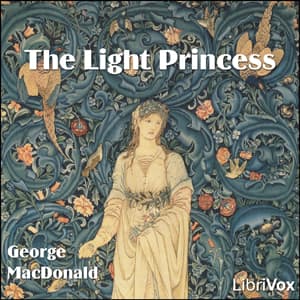

What happens when a fairy tale takes its own premise literally—and I mean literally?
George MacDonald's "The Light Princess" plays with gravity in both senses of the word, and I found myself chuckling through grading papers at 11 PM, which is not my usual state. The princess loses her gravity—she floats, bounces, can't keep her feet on the ground—but she also loses her gravitas. She can't be serious about anything. She laughs at funerals. She giggles when she should weep. It's the kind of wordplay that would make my AP Lit students groan, but honestly? MacDonald was doing this in 1864, and it still works.
MacDonald's Wit Holds Up Better Than Your Average Victorian
Look, I've slogged through plenty of 19th-century prose that feels like wading through molasses. (Cough. Certain Dickens chapters. Cough.) But MacDonald writes with this lightness—pun intended—that keeps things moving. The humor isn't buried under layers of Victorian propriety. It's right there on the surface. The princess's aunt curses her at her christening because she wasn't invited, and the whole kingdom spends the rest of the story trying to figure out how to make a girl who can't fall... fall in love.
The narrative is surprisingly lean. No excessive symbolism weighing it down. Just a straightforward fairy tale that knows exactly what it's doing. At under two hours, it's the perfect length for a lakefront walk with Denise—which is exactly how I listened to it. She kept asking why I was smiling at the water.
Fox in the Stars and the Mystery of LibriVox Narrators
Here's the thing: I couldn't find much about Fox in the Stars online. This is a LibriVox recording, which means it's volunteer-read, which means you're rolling the dice a bit. But the reading here is warm and steady. Not theatrical, not dramatic—just someone who clearly loves the material and wants you to love it too.
I've heard there's a full-cast version floating around that apparently drove some listeners up the wall. (One reviewer called it "absolutely ridiculous" and "frankly hated" it.) So if you're choosing between versions, this solo narration is probably the safer bet. Fox in the Stars lets the text breathe. MacDonald's wit doesn't need a chorus of voices—it needs someone who understands the pause, the timing, the gentle absurdity.
Does the narration elevate the material to some transcendent experience? No. But it doesn't get in the way, and sometimes that's exactly what you need.
The Princess Problem (And Why It Works)
Some listeners found the princess herself frustrating. And yes—she's kind of awful for most of the story. Arrogant, unfeeling, incapable of taking anything seriously. But that's the point. The curse isn't just physical; it's emotional. She's missing something essential about being human.
The ending—which I won't spoil—requires sacrifice. Real sacrifice. And it's surprisingly moving for a story that spent most of its runtime making puns about floating. My students would probably roll their eyes at the moral clarity of it all. But C.S. Lewis and Tolkien both cited MacDonald as a major influence, and you can see why. There's something underneath the whimsy that's genuinely profound. Anna Karenina does something similar—wrapping heavy moral questions in a story that keeps you turning pages.
(Don't tell my students I used the word "profound" about a fairy tale. They'll never let me live it down.)
Who Should Float Along—And Who Should Stay Grounded
If you love classic fairy tales—the real ones, not the sanitized Disney versions—this is a gem. It's short enough to finish in an afternoon, clever enough to reward attention, and old-fashioned in the best possible way. Parents looking for something to share with kids could do a lot worse, though the vocabulary is definitely Victorian-era. Skip it if you need your narratives fast and modern, or if 19th-century prose makes you itchy. This isn't going to convert anyone who finds older writing styles tedious.
Class Dismissed
For those of us who still believe the classics have something to say? This is why we still read them. Even when they're about princesses who can't stop giggling.









