
Look, I'm just gonna say it: this is the space opera that made me forget I had a thesis to write. For 21 hours. My advisor would be horrified. I regret nothing.
I went into Leviathan Wakes knowing basically nothing except that the TV show existed and George R.R. Martin said nice things about it. (And let's be real, if GRRM endorses your space politics, you're doing something right.) What I got was this beautiful Frankenstein's monster of hard sci-fi worldbuilding and pulpy noir detective fiction, and honestly? The combo shouldn't work this well. But it does. It really, really does.
The Worldbuilding Is Chef's Kiss
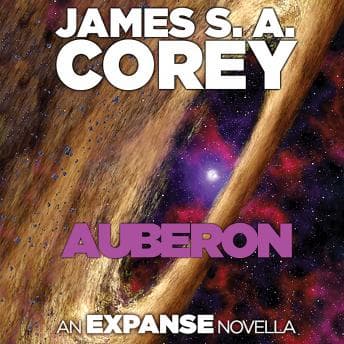
Okay, so here's where my D&D brain went absolutely feral. James S.A. Corey—which is actually two guys in a trenchcoat, Daniel Abraham and Ty Franck—built a solar system that feels lived in. The Belt isn't just a setting, it's a culture. The Belters have their own patois, their own physics-shaped bodies, their own grudges against the "Inners." Earth and Mars are locked in this cold war that feels inevitable given the politics. And the whole thing operates on real orbital mechanics and resource scarcity.
This is Sanderson-level worldbuilding, but for space. Every detail matters. That same meticulous attention to how magic systems shape society is what made Confessor work for me, even if the execution there was messier. The way ships work, the way gravity (or lack of it) shapes everything from combat to romance, the way water is currency in the Belt—it all clicks together like a beautiful, terrifying machine. I kept pausing to explain things to my roommate. He did not ask. He did not care. I told him anyway.
Jefferson Mays Walked So Other Sci-Fi Narrators Could Run
Let me tell you about Jefferson Mays. This man does something I've rarely heard in audiobook narration: he makes two completely different protagonists sound like they're from different books while still feeling like they belong in the same universe.
Jim Holden is this earnest, slightly naive idealist who keeps accidentally starting wars because he thinks transparency is always the answer. (Spoiler: it is not.) Miller is a washed-up detective on Ceres Station who's way too invested in finding one missing girl. Mays gives Holden this straightforward, almost hopeful cadence. Then he switches to Miller and suddenly you're listening to a man who's been chewing on cynicism and cheap coffee for decades. The weariness in Miller's voice—that subtle exhaustion that somehow still has a spark underneath—it's genuinely impressive voice work.
Fair warning though: some people find Mays takes a bit to warm up to. His style is more hard-boiled than theatrical. He's not doing big dramatic swings; he's doing precise, character-driven work. I was hooked from chapter one, but I've got friends who needed a few hours to click with it. Give it time. It pays off.
The accents deserve special mention too. The Belter patois could've been a disaster—made-up future slang is so easy to mess up—but Mays nails the cadences without making it feel like a parody. The whole multi-cultural solar system comes alive through his voice work.
The Slow-Burn Collision Course
The book alternates between Holden and Miller's POVs, and honestly, this structure is genius for audio. Just when you're getting antsy about one storyline, boom, you're back with the other guy. The pacing never dragged for me, even at 21 hours.
There's this slow collision course between the two protagonists that builds tension beautifully. You know they're going to meet. You know the missing girl connects to the derelict ship. But watching the pieces come together while the whole solar system starts sliding toward war? That's the good stuff.
I should mention: this book goes places. There's a body horror element that creeps in around the halfway point that I was NOT prepared for. It's not gratuitous, but it's definitely there. If you're sensitive to that kind of thing, maybe don't listen right before bed. (I did. I made choices.)
Who's Rolling Initiative on This One?
If you're a fan of hard sci-fi that doesn't forget to have actual characters, this is your jam. If you loved the show, the books go deeper—more politics, more worldbuilding, more time in everyone's heads. Skip it if you need immediate action from page one; the setup runs slow, but the payoff earns every minute. And if body horror makes you queasy, consider yourself warned.
My D&D group would absolutely love this. The factions alone could fuel a campaign. The political intrigue here has that same "everyone has legitimate grievances" complexity I loved in Court of Wings and Ruin, just with spaceships instead of fae courts. I'm already thinking about how to adapt Belter culture for a homebrew setting.
Roll Credits, Queue Up Book Two
Already started the next one. My thesis can wait.
This is interplanetary adventure the way it ought to be written. GRRM was right. Now if you'll excuse me, I have eight more books to listen to and a thesis to continue ignoring.