
Most self-help books about infidelity want you to examine your role in the relationship breakdown. They want you to consider the cheater's unmet needs, their attachment style, their childhood wounds. And look, as a psychology researcher, I get it - human behavior is complex, motivations are layered, we're all walking around with our developmental baggage.
But sometimes? Sometimes a book comes along that says "No, actually, they just suck" and honestly, the relief is palpable.
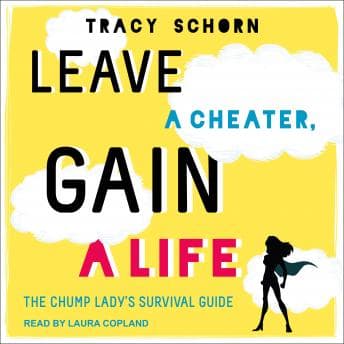
Tracy Schorn's Leave a Cheater, Gain a Life is basically the anti-therapy therapy book. Where traditional relationship psychology might have you doing couples work and examining communication patterns, Schorn - the Chump Lady herself - takes a refreshingly different approach: stop untangling their skein of f*ckupedness (her phrase, not mine, though I wish I'd coined it) and focus on YOU.
The Psychology of Why This Actually Works
Here's what makes this book fascinating from a behavioral standpoint. Schorn isn't just being snarky for snark's sake - though she's definitely that too. She's actually dismantling what we call cognitive distortions in real time. The self-blame, the magical thinking, the sunk cost fallacy that keeps people stuck in terrible situations. She names these patterns with blunt precision that cuts through denial faster than six months of gentle therapeutic exploration.
The protagonist of every infidelity story (that's you, the listener) exhibits classic trauma bonding behaviors. Schorn gets this. She understands that the cheated-on brain is doing gymnastics to make sense of betrayal, and she's basically standing there with a megaphone going "STOP. That's not your job."
Is it nuanced? Not particularly. Does it account for every relationship complexity? No. But that's kind of the point. When you're in crisis mode, you don't need a 400-page exploration of attachment theory. You need someone to tell you the house is on fire and here's the exit.
Laura Copland Nails the Tone
I listened to this during my morning jogs through Cambridge, and I'll admit - I probably looked unhinged laughing out loud while running past the Charles River. Laura Copland's delivery is warm but sharp, like a friend who genuinely cares about you but also isn't going to let you spiral into another round of "but maybe if I had just..." She hits the sweary bits with exactly the right amount of relish without making it feel performative.
The audiobook format actually serves this content really well. There's something about hearing "trust that they suck" spoken aloud with conviction that lands differently than reading it on a page. It's like having a very wise, very fed-up friend riding along in your earbuds.
Who This Is Really For (And Who Should Skip It)
I need to be honest here. This book operates on a specific premise: that the relationship is over, the cheater is not worth saving, and your job is to rebuild. If you're still in the "but maybe we can work it out" phase, this book will feel like getting hit with a two-by-four. Some people need that. Some people really, really don't.
I also noticed some listeners couldn't get past Schorn calling the cheated-on "chumps." Psychologically, this doesn't track for me as a criticism - it's clearly meant as reclaiming language, turning victimhood into something almost affectionate. But I get it. Language matters, and if that word makes you feel worse rather than empowered, trust your gut.
The research actually shows that recovery from betrayal trauma follows different paths for different people. This book is one path - the "burn it down and build something new" path. It's not the only valid one, but for the right person at the right moment? It's genuinely helpful.
My therapist would probably have thoughts about recommending a book that's this... uncompromising. But she'd also probably acknowledge that sometimes people need permission to stop doing the emotional labor of understanding someone who hurt them. Schorn gives that permission liberally.
My Clinical-ish Take
At just over six hours, this is a quick listen that packs a wallop. It's not subtle, it's not balanced, and it's definitely not for everyone. But for someone who's been gaslit, blamed, and told to consider their partner's perspective one too many times? This book is like finally exhaling after holding your breath for months.
Would I assign it to my psychology students? Probably not (don't tell my department). Would I recommend it to a friend going through it? In a heartbeat. Sometimes the most therapeutic thing isn't analysis - it's validation. That same clarity about what actually matters shows up in Essentialism: The Disciplined Pursuit of Less, though Greg McKeown applies it to your calendar instead of your relationship. And Tracy Schorn delivers that by the truckload.