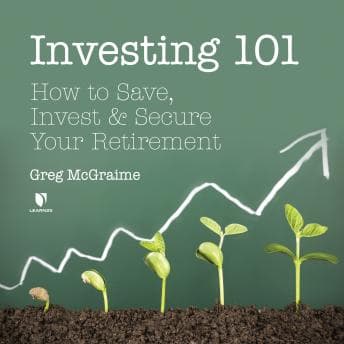

I was half-asleep on the 6:47 AM Caltrain, surrounded by other tech zombies clutching their laptops like security blankets, when Greg McGraime started explaining compound interest for what felt like the third time. And you know what? I didn't mind.
Bottom Line: Worth your commute if you're starting from zero or need a refresher. This is basically a college finance course but for people who'd rather listen than read a textbook.
The Fortune 500 Workshop You Can Actually Attend
Here's the thing about financial education—most of it assumes you already know the basics, or it's so dumbed down it's insulting. McGraime hits this weird sweet spot where he's teaching executives at Google and Yahoo, but he's explaining it like you're his nephew who just got their first real job.
The 24-lecture format actually works here. Each chunk is digestible enough that you can get through one on a BART transfer and still retain something.
His credentials are legit—PricewaterhouseCoopers, JP Morgan Chase, Charles Schwab. The man has been in the trenches. And he sounds like it. Not in a slick financial advisor way, but in a "I've seen people make this exact mistake a thousand times" way. When he talks about 401(k) matching, you can tell he's genuinely frustrated that people leave free money on the table.
The Repetition Thing (Bug or Feature?)
Okay, let's address the elephant in the room. McGraime repeats himself. A lot. Some reviewers found it excessive, and I get it—if you're listening at 1x speed with full attention, you might want to throw your phone out the train window by hour 5.
But here's my take: I listen at 1.5x, and honestly? The repetition saved me. When you're half-conscious at 6 AM or zoning out during a particularly packed train, having the main points hammered home multiple times means you actually retain something. One listener literally said "the repetition reinforces main points making them more memorable," and they're not wrong. It's like spaced repetition for your ears.
The ROI on this audiobook is decent if you treat it like what it is—a course, not entertainment. You're not going to be riveted. You're going to be educated.
Who Should Queue This Up (And Who Should Pass)
Perfect for: commute, gym, housework. Skip for: bedtime (you'll fall asleep and miss the compound interest lecture again).
This is 100% US-focused. 401(k)s, Roth IRAs, American tax implications—if you're listening from the UK or Australia, maybe 40% of this applies to you. The principles are universal, but the specific vehicles are very much American. Fair warning.
If you've already read Bogle or have a solid grasp of index fund investing, this is going to feel elementary. But if you're the person whose eyes glaze over when your company's HR sends the benefits enrollment email? This is exactly what you need.
McGraime Behind the Mic
McGraime narrates his own material, which has pros and cons. Pro: he clearly knows what he's talking about and emphasizes the right things. Con: he's not Ray Porter. (Then again, who is?) His delivery is clear and professional—think "really good corporate training video" rather than "audiobook performance." No dramatic flair, no character voices (obviously), just solid explanation. For actual leadership content with more narrative punch, Extreme Ownership delivers both substance and energy—though it's a completely different beast from this finance primer.
I finished this in about 6 commutes at 1.5x speed. Could've been a blog post? No, actually. This one earns its 8+ hours because the depth is real. He covers everything from basic budgeting to home buying to college savings to retirement withdrawal strategies. It's comprehensive in a way that a blog post or even a regular book couldn't be.
Ship It to Your Ears
Look, I spend my days debugging distributed systems. I appreciate when someone breaks down a complex system into understandable components. McGraime does that for personal finance. Is it exciting? No. Is it going to change your life? Possibly, if you actually implement what he teaches.
The families using this to guide their investment decisions and retirement planning aren't wrong. It's solid, practical, actionable advice from someone who's been doing this for 30 years. Just don't expect to be entertained—expect to be educated.
Bump it to 1.25x or 1.5x, accept the repetition as a feature, and let it wash over you during your commute. By the time you've finished, you'll actually understand what your 401(k) is doing. And that's worth something.