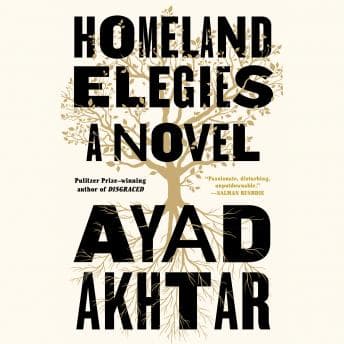

Around hour three, Akhtar describes an encounter with a Pennsylvania State Trooper on some anonymous stretch of interstate - the kind of scene that makes you stop grading papers mid-sentence. The trooper's casual hostility, the way Akhtar's voice tightens almost imperceptibly as he recounts it. I sat there with my red pen hovering over a sophomore's essay about The Great Gatsby, thinking about how Fitzgerald wrote about belonging too, but never quite like this.
This is why we still read - and listen to - the classics in formation. Where the Crawdads Sing explores belonging from a different angle—isolation instead of exclusion—but both books ask what it costs to claim your place.
The Author as Confessor
There's something almost uncomfortable about hearing Akhtar narrate his own autofiction. And I mean that as the highest compliment. When he describes visiting his uncle in 2008 and enduring a lecture about 9/11, you can hear the exhaustion of a man who's had this conversation a thousand times. The rhythms of family obligation, the particular way immigrant parents and their American children talk past each other - Akhtar captures it in his delivery the way no hired narrator could.
His voice isn't polished in the audiobook-narrator sense. It's conversational, sometimes meandering, occasionally hitting notes that feel almost too raw. During scenes with his father - a cardiologist who once treated Donald Trump, which sounds like fiction but apparently isn't - there's this quality of someone working through something in real time. Not performing grief or conflict, but actually processing it.
My students would hate this. The structure is episodic, jumping from heartland America to Central Europe to Afghanistan. There's no clear plot arc in the traditional sense. It's the kind of book I'd never assign because half my juniors would give up by chapter two. But God, I love it.
What Hemingway Would've Called 'The True Thing'
If you loved Disgraced on stage, this is its spiritual successor - but stranger, more personal, more willing to implicate everyone including the author himself. Akhtar doesn't spare himself. There are sections about debt, about chasing money, about the particular shame of wanting to belong to a country that keeps reminding you that you don't. He reads these passages with a kind of rueful honesty that made me pause the audiobook twice just to sit with what I'd heard.
The prose deserves to be savored. I listened at 1.0x (obviously), and the pacing felt right - though I'll admit around hour seven, during some of the more essayistic sections about finance and American decline, my attention wandered. Not because it wasn't good. Because it's dense. This isn't background listening. This is the kind of book where you need to be walking the lakefront alone, not pretending to pay attention while Principal Martinez explains the new attendance policy.
The Episodic Problem (That Isn't Really a Problem)
Some listeners complain about the structure - it reads more like connected essays than a traditional novel. Fair enough. If you need plot momentum, if you need a clear beginning-middle-end, you might find the ten-plus hours challenging. But here's what I'd say: the episodic nature mirrors the immigrant experience Akhtar is describing. Belonging isn't linear. Identity isn't a three-act structure. The book's form is its argument.
The father-son relationship anchors everything. Akhtar's voice shifts subtly when he talks about his dad - there's tenderness there, and frustration, and the particular grief of watching a parent age while you're still trying to understand them. It reminded me of what I tell my students about Hamlet: sometimes the most universal stories are the most specific ones.
Worth Pausing the Faculty Meeting For
This isn't an easy listen. There's racism depicted honestly, violence, language, some sexual content. The content warnings exist for a reason. But if you're interested in what it means to be American right now - not the bumper sticker version, but the complicated, painful, occasionally beautiful reality - this is essential.
Who should listen: Anyone who's ever felt like an outsider in their own country. Anyone who loved American Dervish or saw Disgraced. Anyone who thinks autofiction is just navel-gazing (Akhtar will change your mind). Literary fiction readers who want something urgent without being preachy.
Who should skip: If you need clear plot structure. If you're looking for something light. If ten hours of a single narrator - even one as compelling as Akhtar - sounds exhausting rather than intimate.
Class Dismissed
I finished it last Tuesday, grading papers at 11 PM with Denise already asleep. Sat there in the kitchen thinking about my grandfather, about Chicago, about all the ways we try to make homes in places that don't always want us. That's what great literature does. It makes you think about your own story while telling someone else's.
The 47 listeners of my podcast are getting an episode about this one. Mom, try to stay awake.