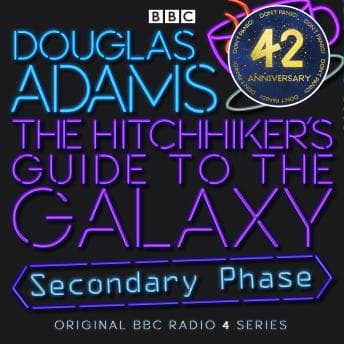

Look, I have a bone to pick with Douglas Adams. I was supposed to be working on my thesis chapter about procedural generation in roguelikes. Had my outline open, coffee ready, the whole productive graduate student aesthetic. Then I made the catastrophic mistake of putting this on "just for background noise" while I organized my notes.
Three hours and fifty-two minutes later, my outline remained untouched and I'd laughed so hard at the Man in the Shack scene that my neighbor knocked on the wall. Worth it? Absolutely. Dr. Patel's going to be disappointed in me again? Also absolutely.
The Full Cast Experience Is Basically Audio D&D
Here's the thing about full-cast audio dramas versus single-narrator audiobooks—it's the difference between having one friend do all the voices at your D&D table versus having an actual party where everyone's fully in character. This Secondary Phase has the original BBC Radio 4 cast, and they're playing off each other with the kind of chemistry you can't fake.
Simon Jones as Arthur Dent captures that specific British befuddlement—not just confused, but righteously confused, like a man who's been told the universe makes sense and has discovered that was a cruel joke. Geoffrey McGivern's Ford Prefect has this barely-contained manic energy, like he's three seconds away from either solving your problem or making it infinitely worse. And Stephen Moore's Marvin? My D&D group would absolutely love this depressed robot. He's basically if Eeyore had an existential crisis and got stuck in a science fiction comedy.
Mark Wing-Davey's Zaphod Beeblebrox is gloriously insufferable in the best way. The Total Perspective Vortex sequence—where he's supposed to be driven mad by comprehending his own insignificance in the universe—is comedy gold because Wing-Davey plays Zaphod's ego as so impenetrable that even cosmic truth can't dent it.
The Remaster Actually Matters (I Know, I'm Surprised Too)
I'm usually skeptical of "remastered" audio because half the time it just means they cranked up the bass and called it a day. But Dirk Maggs actually did something here. The original radio plays from the late '70s had that slightly muddy BBC quality—charming, sure, but you'd sometimes miss a joke because it got lost in the audio soup.
This version is crisp. Philip Pope's version of the theme tune hits different—fuller, more orchestral, but still recognizably Hitchhiker's. The sound effects during the Frogstar fighter attack actually feel threatening instead of like someone banging pots together in a closet. (Okay, the original sound effects had their own charm, but this is genuinely better.) The re-recorded announcements by John Marsh give it this cohesive feel, like you're listening to something that was always meant to sound this way.
When the Lintilla Clones Show Up, Things Get Weird
Susan Sheridan plays multiple versions of Lintilla—clones of the same woman—and she somehow makes each one feel slightly distinct while still being recognizably the same person. It's a neat trick. The whole Brontitall sequence with the bird people "in something of a flap" (Adams, you beautiful punster) is peak Hitchhiker's absurdism.
At just under four hours, this is the perfect length. Long enough to feel substantial, short enough that you don't lose the thread of the increasingly unhinged plot. I listened to the whole thing in one sitting while I was supposed to be organizing my board game shelf. (The board games remain disorganized. The Stormlight Archive novels are judging me from across the room.)
The Douglas Adams Interview Is the Real Treasure
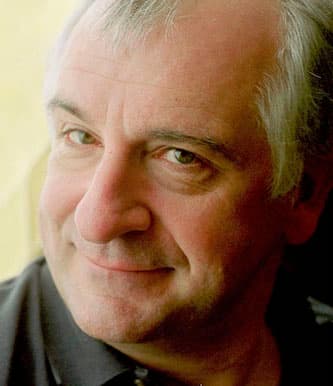
That bonus 50-minute interview with Adams? That's where this goes from "great audio drama" to "essential for fans." He died in 2001, way too young, and hearing him talk about his creative process is bittersweet. He discusses how the radio show became the books became the TV show became... everything else. The man understood world-building in a way that's almost Sanderson-level, except instead of rigorous magic systems, he built rigorous absurdity systems. Michael Crichton does something similar in Jurassic Park: A Novel, building scientific plausibility into his chaos theory framework—though admittedly with fewer depressed robots.
Hearing him explain why the Hitchhiker's universe works the way it does—the internal logic of the illogical—is genuinely illuminating if you're interested in how comedy and science fiction can coexist.
Who Should Grab Their Towel (And Who Should Panic)
If you've only experienced Hitchhiker's through the movie or the books, this is the original. The radio play came first. This is where it all started, and the Secondary Phase takes the setup from the Primary Phase and goes absolutely feral with it.
Skip this if you need your sci-fi played straight. There are no hard magic systems here. The rules of the universe exist purely to be broken for comedic effect. If you're the type who gets annoyed when a story prioritizes jokes over consistency, you'll hate this. (But also, you'd be wrong.)
Perfect for: road trips, doing chores you hate, avoiding your thesis, anyone who's ever rolled a natural 1 on a wisdom check and thought "yeah, that tracks."
Roll for Initiative Against Your To-Do List
This is the kind of audio experience that makes you understand why it was voted the Nation's Favourite Audiobook. It's funny, it's smart, it's weird in all the right ways, and the full cast makes it feel like you're eavesdropping on the strangest improv session in the galaxy.
Now if you'll excuse me, I have a thesis to continue not writing.