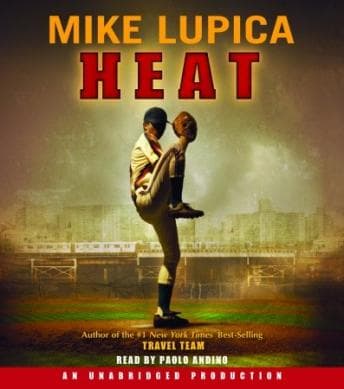

Mike Lupica writes sports books for kids the way my parents ran their business - no shortcuts, no condescension, just honest work that respects the audience.
I grabbed this one during a layover at LAX, figured I'd knock out a few chapters before my connecting flight. Finished it somewhere over Kansas. At 2.0x speed, that's still a commitment for a middle-grade novel. But here's the thing - this book earned every minute.
The Pitch That Actually Lands
Michael Arroyo throws heat. That's the hook. But Lupica does something smart here - the baseball is almost secondary to the real story. Kid's an orphan. Cuban immigrant. Living alone with his seventeen-year-old brother in the Bronx, dodging social services, hiding from anyone who might separate them or send them back. The pitching arm? That's what makes him visible when invisibility is survival.
I've consulted for three different nonprofits dealing with immigrant family separation. The anxiety Lupica captures - that constant low-grade terror of being discovered - rings true. This is what my parents understood instinctively about America: visibility is a double-edged sword. You want to succeed, but success attracts attention, and attention attracts questions you can't answer.
Paolo Andino Knows These Streets
Bottom line: Andino's narration is the reason to go audio over print.
His Hispanic accent work isn't performative - it's lived-in. The Bronx dialogue crackles with authenticity. When he voices Manny, Michael's catcher and self-appointed philosopher, you can hear the kid's swagger. When he switches to the older Cuban characters, there's weight there. History. The kind of accent that carries stories from another country.
What impressed me most: his range. Girls, old men, coaches, social workers - each one distinct without becoming caricature. That's harder than it sounds. Most narrators doing middle-grade books either phone it in or go full cartoon. Andino finds the middle ground. That same respect for young readers shows up in Harry Plotter and The Chamber of Serpents, though the execution doesn't quite match the ambition. He takes these kids seriously.
Where Lupica Outperforms His Genre
I've listened to maybe a dozen sports novels for young readers. Most of them follow the same playbook: underdog team, big game, last-minute victory, lessons learned. Lupica hits some of those beats - he's not reinventing the wheel - but his supporting cast elevates everything.
The Booklist review compared him to Carl Hiaasen, and I get it. There's a sharpness to the dialogue, an awareness that kids aren't stupid. Manny alone is worth the listen - the kid's a raconteur who'd probably make a decent consultant if he ever left the Bronx. (Jenny would say I see management potential in everyone. Jenny is right.)
The family dynamics hit different when you've watched immigrant parents sacrifice everything for their kids' shot. Michael's dead father isn't a plot device - he's a presence. The escape from Cuba isn't backstory decoration - it's the engine driving every decision.
Who Gets Value Here
Obvious audience: baseball kids, ages 9-14. They'll love the game details, the pressure of the mound, the team dynamics.
Less obvious audience: adults who work with immigrant families, parents looking for books that don't insult their kids' intelligence, anyone who grew up watching their parents hustle in a country that didn't always want them.
Skip if you need complex plots with multiple twists. This is straightforward storytelling - tension comes from character, not surprise. Also skip if you're looking for something to half-listen to while doing email. Andino's voice work deserves actual attention.
The ROI Breakdown
Six hours is tight for a novel with this much heart. Lupica doesn't pad. Every scene does work. That's rare in any genre, rarer still in kids' books where publishers often push for length.
My parents never read business books. They were too busy living the principles those books try to teach - hustle, resilience, protecting family at all costs. Michael Arroyo would've fit right in at their dry cleaning shop. He understands that some games are about more than winning.
Paolo Andino understands it too. You can hear it in every line.