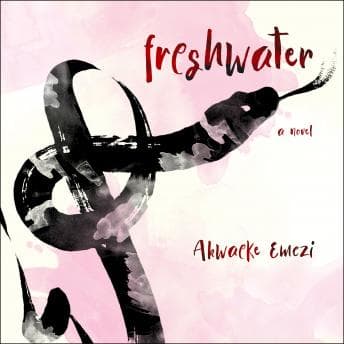
"We are born in the first body." That's how this book opens - first person plural - and if that doesn't immediately make the hair on your arms stand up, I don't know what to tell you.
I was shelving returns at the library on a Thursday evening, the branch empty except for the hum of fluorescent lights and my earbuds, when Emezi's voice started narrating from the perspective of the ogbanje - the spirits that inhabit Ada before she's even born. I stopped mid-shelf. Just stood there holding a copy of some James Patterson novel, completely frozen, because this book had just told me, calmly and without apology, that the narrator is not Ada. The narrator is the thing inside Ada. And Emezi reads it like they know exactly what that means.
The Gods Speak First Person Plural and It's Terrifying
Let me be precise about what makes this horror - because the genre tags will tell you literary fiction, and sure, yes, but listen to me. This is a book about possession. About fracture. About selves that split and multiply and take control. The ogbanje speak as "we" throughout the early chapters, this collective spiritual entity that crossed into Ada's body at birth because her parents prayed too hard and opened a door they didn't understand. That first-person plural narration? It's not a stylistic choice. It's the point of view of something that is not human pretending it has every right to be here.
And Emezi - reading their own words, their own debut - commits to that voice with a steadiness that is somehow more unsettling than if they'd gone full theatrical. The pitch stays controlled, almost hypnotic. When Asughara crystallizes as a distinct self after Ada's assault in college, there's no dramatic vocal shift, no sudden growl or whisper. The tempo just... tightens. The cadence gets hungrier. It's subtle enough that you might not catch it consciously, but your body does. Shirley (my cat) was sleeping on my chest when I got to the sections where Asughara starts making decisions for Ada's body - taking lovers, courting danger, pushing toward self-destruction - and I realized I'd been holding my breath.
The narrator commits. That's rare. And it matters double when the narrator is the author, because Emezi isn't performing someone else's vision of fractured consciousness. They're performing their own.
Igbo Cosmology as the Real Horror Framework
Here's what separates Freshwater from every other "unreliable narrator with mental health struggles" book you've encountered: it refuses the Western psychiatric framework entirely. Ada isn't presented as having a disorder that needs diagnosis. The ogbanje are real within this story's logic. The gates between worlds are real. The python deity Ala is real. And when Emezi narrates the passages rooted in Igbo spiritual tradition - the incantatory sections, the moments where the spirits address the listener directly - there's a weight to the language that feels genuinely ritualistic.
I've spent 200-plus episodes of my podcast arguing that the best horror comes from cosmologies the author actually believes in. Shirley Jackson understood domestic terror because she lived it. Emezi understands spiritual multiplicity because this is, by their own account, autobiographical in ways that go beyond metaphor. You can hear it. At around the midpoint, when the internal dialogues between Ada and her selves become confrontational - when Asughara and Saint Vincent argue over who gets to steer - there's an intimacy to Emezi's reading that no hired narrator could replicate. This isn't acting. This is testimony.
Six hours and forty-four minutes. It's short, and it earns every minute.
Who Needs This (and Who Should Prepare Themselves)
If you scare easily, skip. If you don't, you need this. But I want to be specific: the content warnings here are real. Sexual assault. Self-harm. The violence isn't gratuitous, but it's unflinching, and Emezi doesn't soften the delivery just because they're reading aloud. This is not background listening. This is not your commute book. The same warning applies to Rot & Ruin, though for entirely different reasons - that one earns its darkness through relentless pacing rather than spiritual weight. I'd honestly recommend what I did - lights low, focused attention, no distractions - because the layered narration demands you track which self is speaking and when Ada herself has retreated.
People who love Toni Morrison's Beloved will recognize the structural DNA here. People who love Carmen Maria Machado's body horror will feel at home. And people who've been waiting for horror rooted in non-Western spiritual traditions that doesn't exoticize or explain itself for a white audience? Finally, horror that respects the genre.
My podcast listeners are going to love this. I'm already planning the episode.
Shelf It Next to Shirley Jackson and Mean It
Shirley Jackson walked so this author could run - but honestly, Emezi is running somewhere Jackson never went. Freshwater doesn't care if you're comfortable. It doesn't care if you understand Igbo cosmology. It speaks as the spirits speak: directly, possessively, and with the absolute conviction that they were here first. I listened in the dark. Mistake? Maybe. Worth it? Absolutely.