
Look, I'll be honest - I went into this one ready to be annoyed. Another ex-military guy telling me to push through fear and be a warrior? I've sat through enough leadership offsites with retired colonels to last a lifetime. But here's the thing about Ant Middleton: the man actually has something to say.
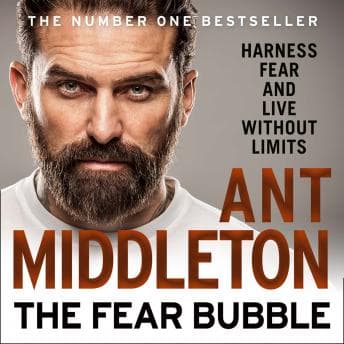
The Fear Bubble concept is deceptively simple. You visualize a bubble around the scary thing - the presentation, the difficult conversation, the literal mountain you're climbing - and you only deal with the fear when you step into that bubble. Not before. Not after. Just in that moment. My parents didn't have fancy visualization techniques. They just opened the dry cleaning shop at 6 AM every day whether they felt like it or not. But honestly? This is that same instinct packaged in a way that might actually stick for people who didn't grow up watching immigrant hustle.
The Everest Story Carries the Weight
Middleton's Everest climb is where this audiobook earns its keep. The death zone descriptions - 90mph blizzards, oxygen running low, bodies of climbers who didn't make it still visible on the mountain - that's not motivational fluff. That's a man confronting actual mortality and coming back to tell you about it. When he talks about the fear of leaving his kids without a father, you feel it. The audiobook format works here because you can hear the weight in his voice. This isn't ghostwritten corporate speak.
Skip to the Everest chapters if you're short on time. Thank me later.
Middleton Narrating Middleton
Here's where it gets interesting. Ant reads his own book, and your mileage will vary wildly depending on your tolerance for British Special Forces directness. Some listeners call it "toxic." I call it refreshingly honest. The man doesn't hedge. He doesn't soften. He tells you what worked for him and expects you to figure out if it applies to your life. That same unflinching directness—though applied to very different subject matter—is what makes World War Z work as oral history instead of disaster porn.
Is it harsh? Yeah, sometimes. Jenny would say I'm being harsh. Jenny is right. But I've also seen enough executives pay $50,000 for leadership coaches who tell them exactly what they want to hear. Middleton won't do that. There's value in that, even when it's uncomfortable.
The emotional delivery lands when he's talking about his family, his failures, his time in prison. Less effective when he's hammering home the same point for the third time. My 2.0x speed couldn't save some of those repetitive sections.
The Application Problem
Here's my issue - and it's the same problem I have with 80% of self-help books. The Fear Bubble concept gets maybe 45 minutes of actual explanation stretched across 8 hours. The rest is autobiography and war stories. Good autobiography, genuinely interesting war stories. But if you came for a tactical framework on managing fear, you'll be doing a lot of extrapolation.
I've seen this pattern fail at three different companies. Someone reads a book like this, gets fired up, tries to apply military mental frameworks to a quarterly sales review, and wonders why it doesn't translate. The book needed more bridge-building between "surviving the death zone on Everest" and "having a difficult conversation with your underperforming direct report."
The key takeaway is worth the listen. The other 7 hours? Not so much.
Who This Works For (And Who Should Skip It)
If you're the type who responds to directness, who doesn't need hand-holding, who wants to hear someone talk about fear without making it soft and palatable - this is your book. Commute listening. Workout listening. Times when you need someone in your ear telling you to stop making excuses.
If you're dealing with anxiety or depression (and some listeners specifically mentioned finding value here), the Fear Bubble concept might give you a useful mental model. Compartmentalization isn't avoidance - it's strategic engagement.
But if you want gentle encouragement or step-by-step implementation guides, look elsewhere. Middleton isn't your therapist. He's the guy who climbed Everest and lived to yell at you about it.
The ROI
Solid concept buried in too much padding, delivered by a narrator who won't apologize for being intense. Worth a listen at 1.5x speed, especially the Everest sections. Just don't expect it to hold your hand.