
Can you actually heal yourself by breathing differently and thinking about energy? I've been asking myself this question for years - as someone who studies the psychology of belief and behavior change, I'm genuinely fascinated by where placebo effect ends and something else begins.
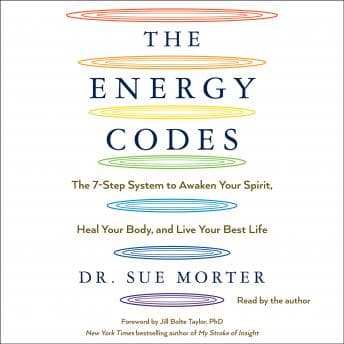
So I gave The Energy Codes twelve and a half hours of my life. Mostly during morning jogs through Cambridge, which felt appropriate given the whole body-mind integration thing Dr. Morter is selling.
The Psychology Behind the Woo
Here's what I found interesting from a research perspective: Dr. Sue Morter isn't just throwing crystals at you and hoping something sticks. She's actually building on legitimate neuroscience - the idea that our nervous system patterns can be rewired, that breathwork affects vagal tone, that meditation changes brain structure. The research shows this stuff works. Where she loses me is the quantum physics explanations, which... look, I'm not a physicist, but I've read enough to know that "quantum" gets thrown around in self-help circles in ways that would make actual physicists wince.
But here's the thing - does it matter if her theoretical framework is shaky if the practices themselves produce results? This is a fascinating case study in how belief systems function. Thousands of people report genuine transformation from these exercises. Is it the specific energy codes? Is it the consistent practice? Is it the placebo effect working its magic because they believe? My therapist would have thoughts about this, and honestly, I don't think the answer is simple.
The seven-step system is structured well. Each "code" builds on the previous one - anchoring, feeling, clearing, heart, breath, chemistry, and spirit. It's basically a progressive desensitization and integration protocol dressed up in spiritual language. (Don't tell my students I said that.)
Dr. Morter Behind the Mic
Dr. Morter narrating her own book was the right call here. Her voice is warm without being saccharine, clear without being clinical. When she guides you through the breathing exercises and meditations, you can tell she's done this thousands of times with patients. There's an authenticity that a hired narrator couldn't fake.
The pacing is slow. I mean, deliberately slow. This isn't a book you power through at 2x speed while doing dishes. I tried. It doesn't work. The instructional sections require you to actually pause and practice, which - if I'm being honest - I didn't always do. But when I did engage with the exercises, particularly the central channel breathing, I noticed something. Whether that something was energy moving or just hyperventilation-induced altered states, I genuinely can't say.
What makes her delivery compelling is she doesn't oversell. She shares her own awakening experience without making it sound like everyone should expect the same dramatic results. The research shows that this kind of tempered expectation-setting actually increases treatment compliance. She knows what she's doing.
Who Should Press Play (And Who Should Skip)
I found myself asking: why does this book connect with so many people? I think it's because it offers something psychology often doesn't - a sense of agency over your own healing combined with a spiritual framework that makes suffering feel meaningful rather than random.
If you're already into energy work, yoga, or meditation, this will feel like coming home. If you're a skeptic like me, you'll spend half the time arguing with the theoretical explanations and the other half grudgingly admitting the practices feel good. Skip it if you need hard science without any spiritual framing - you'll just get frustrated.
The audiobook format is actually superior here because so much of the content is experiential. Reading about breathwork isn't the same as being guided through it. And at twelve hours, you're getting a full course, not just a book.
My Professional Opinion (Off the Record)
Psychologically, this doesn't track as pure science - but it doesn't need to. The author understands human nature well enough to know that people need stories and frameworks to make change stick. The quantum physics stuff is the mythology. The breathwork and body awareness practices are the actual medicine.
Would I recommend it? For the right person, absolutely. If you're dealing with chronic pain, anxiety, or that vague sense of disconnection that modern life produces, and you're open to approaches outside traditional therapy - give it a shot. I had a similar reaction to Year of Yes - skeptical of the framework, but couldn't argue with how the practices made me feel. Just maybe don't take the physics explanations literally. And definitely don't listen while jogging. Trust me on that one.