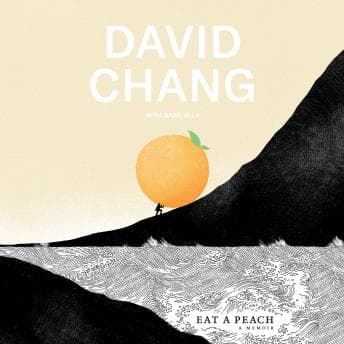

I was three hours into designing wedding invitations at 2 AM - the kind of project where you're questioning every font choice and your cats are giving you that go to bed, you disaster human look - when David Chang started talking about wanting to die. And I just... stopped. Put down my stylus. Let Frida curl into my lap and listened.
This book wrecked me in ways I wasn't prepared for.
The Kitchen as Confessional
Look, I came for the food stories. I've watched Ugly Delicious, I've dreamed about those pork buns, I wanted the behind-the-scenes Momofuku origin story. And yes, that's here - the tiny East Village space, the ramen that confused people who only knew instant noodles, the audacity of asking "what if the underground could become the mainstream?" But Chang gives you so much more than restaurant gossip.
He reads his own story, and there's this rawness to his delivery that a professional narrator couldn't replicate. When he talks about his manic episodes in Japan, about feeling like a perpetual outsider as a Korean American kid in Virginia, about the voice in his head that told him he was worthless - you can hear it. The slight catch. The way he speeds up when the memories get uncomfortable, like he's trying to outrun them.
Some listeners find his tone monotonous, and I get it. He's not doing vocal gymnastics here. But honestly? That flatness during the darkest passages hit harder than any dramatic performance would have. This is a man reading his own pain, and sometimes pain sounds tired.
When He Goes Off-Script
Here's the thing that made me clutch my chest (Abuela would have understood): Chang adds comments in the audiobook that aren't in the print version. Little asides, real-time reflections on what he wrote. It creates this intimacy that feels almost intrusive, like you're sitting across from him at a bar while he decides whether to tell you the really dark stuff.
And he does tell you. The suicidal ideation. The anger that burned through relationships and kitchens alike. The way restaurant culture celebrates brutality and calls it passion. He doesn't romanticize any of it. Some reviewers complain he focuses too much on the depression - that it overshadows the food - and maybe they wanted a different book. But this is the book he wrote. The one where deliciousness and despair are woven together because that's how they existed in his life.
I ugly-cried somewhere around hour six. Not the pretty kind. The kind where Diego jumped off the couch because I was making weird noises.
This Isn't Background Listening
Fair warning: you cannot half-listen to this. I tried during a logo project and had to rewind twenty minutes because I'd missed something crucial about his father's expectations and the weight of being the youngest son. This book demands your attention the way a good therapist does - it's going to sit in the silence with you until you actually process what's being said.
The pacing is brash, sometimes uncomfortably fast, like Chang is daring you to keep up. His passion for cooking comes through loud and clear - infectious, even - but it's always threaded with this undercurrent of "and I almost didn't survive to do any of this."
Who Should Listen (And Who Should Skip)
If you want a light foodie memoir full of fun kitchen anecdotes and celebrity chef name-drops, skip this one. If you're in a fragile mental health space yourself, maybe save it for when you're steadier - the content warnings are real.
But if you want something that feels like a human being cracking open their chest and showing you the mess inside? If you've ever felt like a fraud despite your success, like you're one bad day away from everything falling apart? Untethered Soul wrestles with that same inner voice, though it takes a more meditative approach to shutting it up. If you understand that sometimes the thing that saves you is also the thing that almost destroys you?
My heart. MY HEART.
This book felt like sitting with someone who finally stopped performing. No chef's whites, no Netflix cameras, just a guy trying to figure out why he's still here and whether that's okay.
The Aftertaste
I finished at 4 AM. Didn't sleep. Made myself ramen from a packet (the irony wasn't lost on me) and thought about my abuela, who never understood my career choices but always fed me when I showed up at her door. Chang writes about food as love language, as survival mechanism, as the thing that connects us when words fail.
Abuela would have loved this one. She would have also told me to eat more and worry less, but that's another story.
Listen at 1.0x. Let it breathe. It's worth the nine hours.









![Steve Jobs [unabridged audiobook] audiobook cover](/_next/image?url=https%3A%2F%2Fcovers.audiobooks.com%2Fimages%2Fcovers%2Ffull%2F9788499923406.jpg&w=1920&q=75)