
"I would write you into the sky, Iris. I would write you into the soil."
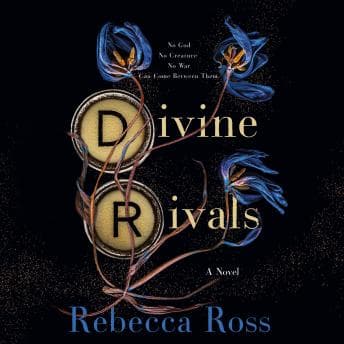
Rebecca Ross’s Divine Rivals blends two genres that rarely share the same breath: a 1940s-style wartime newspaper rivalry and a mythic conflict between waking gods. Eighteen-year-old Iris Winnow is fighting to win the columnist promotion at the Oath Gazette while her brother is missing at the front lines; standing in her way is Roman Kitt, her wealthy, infuriatingly composed desk rival. When Iris slips anonymous letters to her brother beneath her wardrobe door and an enchanted typewriter spirits them directly into Roman’s hands, the audiobook unlocks its best trick.
Why the Letter Production Choice Steals the Book
Instead of having each narrator read both sides of the correspondence inside their own chapters, the audio production brings in Rebecca Norfolk to voice Iris’s letters and Alex Wingfield to voice Roman’s replies every single time a letter is opened. You can be deep inside Iris’s chapter when Wingfield’s voice suddenly steps into your headphones for Roman’s typed confession, creating an immediate, breathtaking sense of intimacy.
Norfolk captures Iris’s grief and quiet determination without ever overselling the melodrama, while Wingfield nails the exact inflection where Roman’s formal, competitive armor cracks open into genuine devotion.
Importantly, Ross keeps the mythology in service of the human stakes—something American Gods pulls off on a darker canvas—so the warring deities never drown out the two journalists at the center.
From Newsroom Rivalry to Front-Line Urgency
The opening third moves at a measured pace as Ross establishes the newsroom competition and the enchanted correspondence. Once Iris leaves the city to report from the front lines, however, the pacing tightens into wartime survival and deeply earned romantic yearning. That sweeping, war-torn devotion evokes the historical scale that made Outlander such a staple on audio.
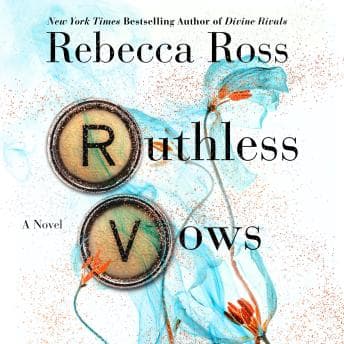
While the romantic heat stays squarely in the YA lane—prioritizing emotional vulnerability over explicit spice—the war chapters carry real grief, addiction, and battlefield trauma. Keep the conclusion of Book 2, Ruthless Vows, within reach before you finish the final chapter, because the cliffhanger ending does not let go gently.