
People love to claim audiobooks are the ultimate productivity hack. "Master neurology while folding laundry!" they say. "Cure your child's behavioral issues during the morning commute!" Well, I tried. But let me tell you—visualizing a primitive reflex integration exercise while dodging pedestrians on the Charles River is not the smooth experience the tech bros promised.
The "Textbook in Your Ear" Problem
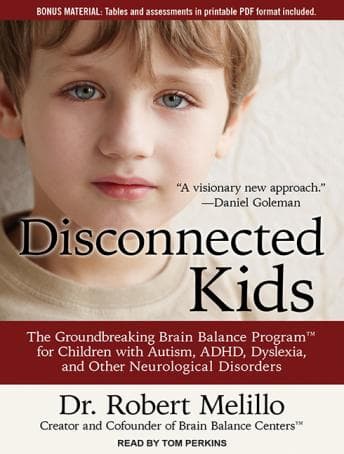
Here's the thing about Disconnected Kids. It is dense. We're talking Dr. Melillo's life work on the Brain Balance Program—hemispheric integration, primitive reflexes, dietary restrictions. Fascinating, scientifically grounded (mostly), and incredibly detailed. But listening to it requires a level of active engagement that clashes with how most of us consume audio.
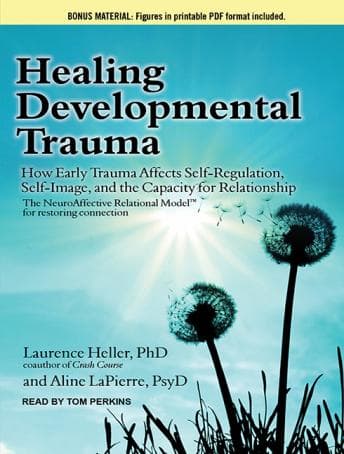
Tom Perkins narrates, and thank god for him. The man has an audio engineering background and an AudioFile Earphones Award, and you can hear the precision. Zero background hiss, no awkward breath intakes, just a steady, authoritative voice that sounds like the one professor in grad school who actually wanted you to pass the final exam. He treats the material with gravity. But—and this is a significant but—he is frequently tasked with reading lists.
Lists of symptoms. Lists of food sensitivities. Lists of motor exercises. By the time he got to the third checklist for identifying right-brain deficiency, I found myself mentally checking out. It's not Perkins' fault; he's delivering a diagnostic manual through a medium designed for storytelling. It's like having someone read you a recipe for Beef Wellington while you're driving on the Turnpike. You understand the theory, but you can't exactly execute the steps.
Theoretical Gold, Practical... Challenge
That said, the first half works surprisingly well on audio. Melillo's explanation of the "disconnect"—the functional imbalance between the left and right hemispheres—is compelling stuff. As someone who spends her life analyzing character motivations, understanding the biological hardware behind behavioral outbursts is catnip to me. The themes here reminded me of something much older: Varieties of Religious Experience, another book that treats inner chaos like data instead of drama. (My therapist would say I'm projecting again, looking for reasons why people act out. She's not wrong.)
Perkins manages to make the neurology accessible. When he explains how a delay in one hemisphere affects academic performance, his pacing is deliberate enough that you can actually digest the concept without hitting rewind every thirty seconds. If you're a parent trying to understand the why behind a diagnosis of ADHD or Autism, this audio version is a solid primer.
Who This Is (and Isn't) For
Parents who want to understand the science behind their child's diagnosis? This is your lecture series. You'll get the theory, Melillo's "drug-free" philosophy, and enough information to decide if the Brain Balance method aligns with your parenting style. But if you're looking for a step-by-step implementation guide you can follow in real time—skip the audio and grab the physical book. The exercises and behavior modification plans demand a format you can flip back through.
My Prescription: Listen, Then Buy the Print
I treat this audiobook as a lecture series rather than a user manual. You listen to get the theory, to understand the framework, and to decide if this approach makes sense for your family. But for the actual exercises? The behavior modification plans? You're going to need the physical book or at least a very detailed PDF.
At one point, I tried to mentally map out the sensory exercises while cooking dal. Bad idea. I burned the lentils.
If you're expecting a narrative self-help book that makes you feel warm and fuzzy, this isn't it. It's a clinical tool. Perkins delivers it with professional distance—he's not trying to be your best friend, he's trying to give you data. And honestly? I respect that. Just maybe don't try to implement a neurological overhaul while jogging.