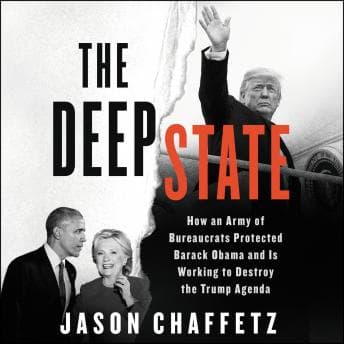

Let me cut to the chase: I started this one during a 4 AM security consultation drive to Houston - the kind of trip where you need something to keep your brain engaged while the rest of Texas is still asleep. Chaffetz delivers exactly what the title promises, no more, no less.
I've got a complicated relationship with books like this. Spent 25 years watching bureaucratic inefficiency firsthand - military procurement alone could fill a dozen volumes. So when a former Congressman starts talking about entrenched interests protecting their turf, I'm nodding along because I've seen that movie play out in real time. The question isn't whether the Deep State exists - anyone who's tried to get a simple form processed at the VA knows better. The question is whether Chaffetz brings anything new to the table.
The Insider's Perspective
Here's where it gets interesting. Chaffetz was Chairman of the House Oversight Committee, which means he actually had subpoena power and access most political commentators only dream about. His accounts of stonewalling from the IRS, DOJ, and State Department ring true because he names names and cites specific incidents. The Lois Lerner saga, the document destruction, the witness intimidation - he was in the room for a lot of this. That's not nothing. I've seen that same kind of institutional courage documented in Zookeeper's Wife: A War Story, though the stakes there were life and death rather than political careers.
The author-narrated angle works here better than it does for most political books. Chaffetz reads his own words with the kind of controlled frustration you'd expect from someone who spent years banging his head against institutional walls. No dramatic flourishes, no theatrical outrage - just a guy recounting his experiences with the kind of measured anger that comes from professional disappointment. Ranger perked up a few times when Chaffetz's voice got sharper during particularly egregious examples of bureaucratic defiance.
Where the Armor Shows Gaps
Now for the problems. At 7 hours and 37 minutes, this book could've been tighter. There's repetition - the same basic point about unaccountable bureaucrats gets made multiple ways across multiple chapters. If you've followed conservative media at all during the Trump years, you've heard most of these arguments before. Chaffetz organizes them well and adds his firsthand perspective, but don't expect revelations.
The book also suffers from a lack of proposed solutions with teeth. Chaffetz offers recommendations, sure, but they're the kind of structural reforms that would require the very institutions he's criticizing to vote against their own interests. Good luck with that. After 25 years in uniform, I learned that identifying problems is the easy part - it's the fixing that separates the talkers from the doers.
(And look, I'll say what some reviewers won't: this is a partisan book. Chaffetz is a Fox News contributor, and the book reads like it. If you're looking for a balanced analysis of executive branch overreach that includes Republican administrations, keep looking. This is specifically about Obama-era bureaucracy versus Trump. Know what you're getting into.)
Intel Assessment
The production quality is clean - no audio issues, no weird editing cuts. Chaffetz's narration is serviceable rather than exceptional. He's not a professional voice actor, and it shows in the pacing sometimes, but there's an authenticity to hearing these stories in the author's own voice that a hired narrator couldn't replicate. When he talks about staffers lying to his face, you can hear the residual irritation.
Who's this for? If you're already convinced the federal bureaucracy has become a political actor and you want detailed examples from someone who was in the trenches, this delivers. Skip it if you're skeptical of that premise - Chaffetz is preaching to the choir, not evangelizing. And if you want bipartisan analysis of government overreach, this isn't your mission.
Mission Debrief
I finished this one before I hit Austin, and I've got mixed feelings. The author clearly did his homework - or more accurately, he lived it. The specific examples of document destruction, witness retaliation, and institutional resistance are valuable contributions to the public record. But the book doesn't transcend its moment. It's a snapshot of a specific political conflict, not a lasting analysis of bureaucratic power.
For conservatives frustrated with government overreach, this is red meat served competently. For anyone else, it's a window into how the other side sees things - which has its own value, even if you disagree. Ranger approved this one, but he approves most things that keep me awake on long drives.
Listen at 1.25x. Chaffetz isn't slow, but the material benefits from the momentum.







![Steve Jobs [unabridged audiobook] audiobook cover](/_next/image?url=https%3A%2F%2Fcovers.audiobooks.com%2Fimages%2Fcovers%2Ffull%2F9788499923406.jpg&w=1920&q=75)