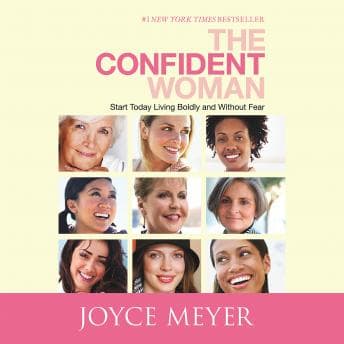

Joyce Meyer's Confident Woman is basically a leadership workshop for women of faith - except it costs $15 instead of $15,000 and you can listen in your car.
Quick Verdict: The seven characteristics framework is worth your time. The repetitive setup to get there? Not so much. Skip to chapter 5. Thank me later.
What My Mom Already Knew
Look, I've consulted for startups where brilliant founders couldn't make a single decision without polling their entire team first. Not because they valued consensus - because they were terrified of being wrong. Meyer's core insight is that this kind of paralysis isn't a strategy problem. It's a confidence problem. And confidence isn't about faking it. It's about knowing your value.
My mom never read a self-help book. She ran a dry cleaning business in Koreatown for 30 years with the quiet certainty of someone who knew exactly who she was. No affirmations. No vision boards. Just work and faith and showing up. This is what my parents did instinctively. Now it has a TED talk.
Meyer's framework - knowing you're loved, refusing fear, ditching comparisons - isn't revolutionary. But she packages it for women who grew up in faith communities where "confidence" sometimes got confused with "pride." That distinction matters. I've seen it matter in boardrooms where capable women hold back because somewhere along the line, someone told them assertiveness was unfeminine.
The faith integration is heavy. Like, really heavy. Scripture references every few pages. If that's not your thing, this isn't your book. But if it is? Meyer connects spiritual security to practical confidence in a way that feels genuine rather than preachy.
Pat Lentz Behind the Mic
I couldn't find much about Pat Lentz online, but based on this performance - she's solid. Warm tone, clear delivery, the kind of voice that sounds like a mentor rather than a lecturer. Some reviewers mentioned the pacing drags in spots, and yeah, I bumped it to 2.0x during the more repetitive sections. My 2.0x speed couldn't save the first few chapters entirely, but it helped.
There's another version narrated by Joyce Meyer herself, and from what I've read, it's got a more personal, intimate vibe. Lentz is more polished, more professional. Depends what you're after. If you want advice from a friend over coffee, maybe try Meyer's version. If you want clean, consistent narration that doesn't distract from the content, Lentz delivers.
The Repetition Problem (And Why It Might Be a Feature)
Here's my main critique: Meyer circles back to the same points multiple times. The "insecurity epidemic" framing gets hammered pretty hard early on. If you're trying to power through in one sitting, it's frustrating.
But then I thought about who this book is actually for. Women listening during their commute. Moms catching 15 minutes while kids nap. People who need the message repeated because life keeps drowning it out. In that context? The repetition is a feature, not a bug. (Jenny would say I'm finally learning empathy. Jenny might be right.)
When Meyer gets specific - how comparison kills confidence, how to recognize fear-based decision making, why perfectionism is just insecurity in a business suit - those sections land. That last one especially connected to something I see constantly with founders. They call it "high standards." It's usually just fear of judgment wearing a productivity mask. Similar energy to what I explored in my review of Get Sh*t Done - different packaging, same root cause.
Who Gets ROI Here (And Who Doesn't)
Women of faith who struggle with confidence and want a framework that integrates their spiritual life with personal development - Meyer serves them well. Skip this if you want data-driven research or tactical business confidence without the faith angle.
If you're looking for the secular version of this conversation, go read Brené Brown's Daring Greatly instead. But if you want someone who speaks the language of faith and applies it to everyday insecurity? Meyer's been doing this for decades for a reason.
The Koreatown Standard
My mom would've appreciated this. Not because she needed it, but because it validates what she already knew. Sometimes that's enough.