
Look, I know what you're thinking. "David, why are you reviewing a children's book? Shouldn't you be dissecting the latest treatise on supply chain optimization?"
Here's the thing. I needed a palate cleanser. I've listened to three books on crypto regulation this week, and my brain felt like it was melting. Plus, Jenny put this on during a road trip to Palm Springs, and I wasn't allowed to override it with a podcast on interest rates. (Marriage is about compromise, apparently.)
But here's the kicker—I actually stayed awake. And not just because the AC was broken.
Succession Planning for Psychopaths
Let's be real for a second. We treat this book like a whimsical fairy tale. It's not. It's a brutal case study on corporate succession planning. Willy Wonka is the ultimate founder-mode CEO. Paranoid, brilliant, completely unhinged, and looking for a replacement because he doesn't trust anyone.
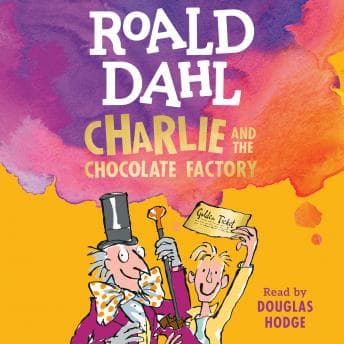
Douglas Hodge—the narrator—gets this. I checked his background; apparently, he played Wonka in the West End musical. It shows. He doesn't read this like a bedtime story. He reads it like a man who has been inhaling sugar dust and mercury fumes for 40 years. His Wonka is manic. High-pitched. A little dangerous.
Most narrators try to make Wonka sound like a benevolent grandpa. Hodge plays him like a tech billionaire who's one bad quarter away from a mental breakdown. It works. The pacing is frantic in the best way. I usually listen at 2.0x, but I actually dialed this back to 1.5x because Hodge moves fast on his own. He captures that specific anxiety of a man running a factory with zero OSHA compliance and a labor force that sings when people get maimed.
The Candidate Selection Process
From a hiring perspective? This book is gold. The Golden Ticket campaign is a marketing stunt with infinite ROI. (My parents would've loved the hustle.) But the factory tour is just a high-stakes group interview.
And the candidates? Terrible.
- Augustus Gloop: No self-control. Liability.
- Veruca Salt: The definition of nepotism. Nightmare to manage.
- Violet Beauregarde: Competitive but lacks strategic vision.
- Mike Teavee: Obsessed with tech but disconnects from reality. (I've fired three of him this year.)
Then you have Charlie. Poor, hungry, humble. He's the only one with soft skills. Hodge voices Charlie with this quiet, shaky sincerity that actually made me pause my mental spreadsheet of the factory's operational costs. It's a stark contrast to the bratty, screeching voices he does for the other kids. And yeah, the voices for the other kids are grating. Like, really grating. But they're supposed to be. If you aren't annoyed by Veruca Salt, the narrator failed. Hodge didn't fail.
The ROI Breakdown
Is it perfect? No. The songs. Oh man, the songs. Even Hodge's theatrical chops can't save me from zoning out during the Oompa Loompa musical numbers. I skipped two of them. No regrets. Time is money.
That same ruthless efficiency is what made First 90 Days work—no fluff, just execution.
But as an audiobook experience? It's tight. Under 3.5 hours. Doesn't overstay its welcome. It's darker than the Gene Wilder movie and way less creepy than the Johnny Depp one.
Who's this for: Parents who want something they won't hate on road trips. Adults who need a brain break from serious reading. Anyone who's ever sat through a group interview and watched candidates self-destruct. Skip it if you can't tolerate children's voices or musical interludes—Hodge commits fully to both.
Bottom line: If you want to hear a clinic in voice acting—or just want to feel better about your own hiring decisions—give it a listen. It's a reminder that sometimes the best person for the job is the one who just shuts up and listens.
(Now back to my book on emerging markets. Jenny is thrilled.)