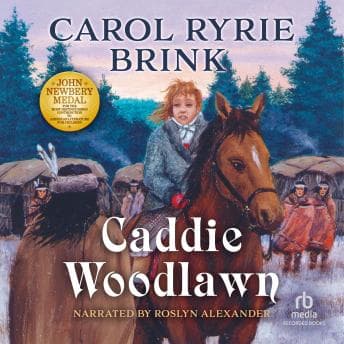

Look, I'll be honest—when Jenny suggested I listen to a children's book from 1935 for "perspective," I thought she was punishing me for something. A Newbery Medal winner about a tomboy on the Wisconsin frontier? This isn't exactly my wheelhouse. But here's the thing: six hours later, I'm thinking about my mom.
What My Parents Built Without a TED Talk
Caddie Woodlawn is basically a case study in grit before Angela Duckworth made it a brand. This kid—based on the author's actual grandmother—runs with her brothers, befriends the local Native American tribe when everyone else is terrified, and generally refuses to fit the mold 1860s Wisconsin had for girls. The book doesn't make a big production of it. No dramatic speeches about breaking barriers. She just... does things.
That's what got me. My parents didn't have time for manifestos about entrepreneurship. They just opened the dry cleaners at 6 AM and closed at 9 PM. Caddie's the same way. When settlers are panicking about a potential attack, she doesn't give a motivational speech—she sneaks out at night to warn the tribe and prevent bloodshed. Action over theory. My dad would've approved.
Roslyn Alexander's narration captures this practical heroism without overselling it. There's a warmth to her delivery that feels like your grandmother telling stories—which, given the source material, is exactly right. She doesn't do wildly distinct voices for every character, but the emotional beats land where they need to. The humor too. When Caddie's mother despairs over her daughter's unladylike behavior, you can hear the affectionate exasperation.
The ROI on Nostalgia
Here's my consultant brain kicking in: what's the actual value proposition here? It's a 6-hour children's book. I could've listened to half of a business biography.
But the efficiency argument actually works in Caddie's favor. No padding. No repetition. Untethered Soul has that same respect for the reader's time—no fluff, just direct insight. Carol Ryrie Brink wrote this in 1935 when authors respected their readers' time, even young ones. Each chapter is a discrete adventure: Caddie and her brothers playing pranks, surviving a prairie fire, navigating the complicated politics between settlers and Native Americans. It moves.
The pioneer life details are specific enough to be interesting without becoming a Wikipedia article. Sheep shearing. Maple sugaring. The economics of a frontier farm. I found myself thinking about unit economics and supply chains in 1860s Wisconsin, which is either fascinating or a sign I need a vacation.
Who Gets Value Here (And Who Doesn't)
Let me be direct: if you're looking for business insights, this isn't it. Skip to something else.
But if you have kids between 8-12, this is genuinely worth your credit. It's clean, it's engaging, and the values are solid without being preachy. The pacing works for younger attention spans. For adults coming to it fresh? It's charming, but you're not the target audience. I appreciated it more than I expected, but I'm also a Korean-American guy who gets emotional about immigrant work ethic. Your mileage may vary. If you grew up on this book, the nostalgia factor is real—Alexander's narration adds enough texture to make it worthwhile even if you've read it before.
The Park Bottom Line
Jenny was right. (She usually is. We don't talk about that.)
This isn't a business book. It's not going to help you close deals or optimize operations. But it reminded me why I do what I do—helping founders build something that lasts, something their grandkids might tell stories about. Carol Ryrie Brink's grandmother lived this life in the 1860s, and her great-granddaughter won a Newbery Medal writing about it seventy years later. That's legacy.
The audiobook is solid. Alexander's narration is warm without being saccharine. The production is clean. At 6 hours, it doesn't overstay its welcome.
My parents never got to sit around listening to audiobooks about their childhood. They were too busy building ours. But if they had, I think they'd recognize Caddie. She's got that same stubborn practicality. That same refusal to be limited by what everyone else thinks she should be.
Worth a credit if you're buying for kids or chasing your own childhood. For pure adult entertainment, wait for a sale. But don't dismiss it. Some lessons are timeless, even at 2.0x speed.