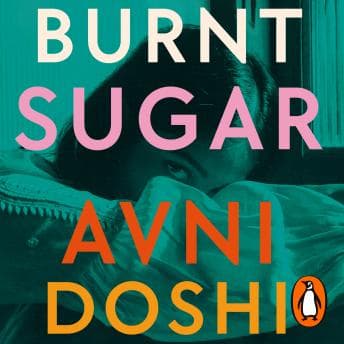

So here's the thing - everyone kept telling me this book was "compulsively readable" and "searing" and all those Booker Prize adjectives that get slapped on literary fiction like bumper stickers. And I went in expecting to feel gutted. I mean, a poisoned mother-daughter relationship? An Indian woman who abandoned her marriage for an ashram? My abuela would have been SCREAMING at this woman through the speaker. That same gutpunch of cultural expectation colliding with a woman who refuses to behave is something I kept thinking about while reading American Dirt, where the weight of what mothers will do - and survive - for their children hits you from a completely different angle. Instead, what I got was something colder and stranger and harder to shake than I expected - like swallowing ice water on an empty stomach.
I started this one on a Tuesday night, 2 AM, because insomnia had me by the throat and Frida was doing that thing where she sits on my chest and stares at me like she's cataloging my failures. Perfect energy for this book, honestly. Burnt Sugar is not warm. It's not cozy. Antara - the daughter narrating this story - doesn't want your sympathy. She wants you to sit with her in the wreckage and look at it clearly.
The Love That Leaves Burns
Avni Doshi wrote something genuinely uncomfortable here, and I don't mean uncomfortable like "oh this is hard to read." I mean uncomfortable like recognizing something true that you'd rather not. Antara's mother Tara dragged her through an ashram childhood, through poverty, through a revolving door of men and spiritual phases - all while framing herself as this liberated woman. And now Tara's memory is going, dissolving like sugar in water, and Antara has to care for someone who never really cared for her. The resentment on the page is so specific it made my skin prickle. There's this running thread about how Antara can't trust her own memories because her mother rewrote them so many times - told her things didn't happen, reframed neglect as freedom. That hit me in a place I wasn't ready for.
The book doesn't do catharsis. No big confrontation scene, no healing moment, no tearful reconciliation at a hospital bedside. And honestly? That frustrated me at first. I kept waiting for the emotional climax that would crack me open, the way I expect from books about mothers and daughters. It never came. But lying in bed afterward, staring at the ceiling while Diego purred against my leg, I realized that WAS the point. Some mother-daughter wounds don't get a tidy resolution. They just... continue. Like a low hum you stop noticing until someone points it out.
Vineeta Rishi's Voice - Where I Have Complicated Feelings
Okay. The narration. This is where my experience diverged from what I expected. Vineeta Rishi has a clear, intelligent voice that suits Antara's sharp inner monologue. But - and this is a real but - the pacing felt rushed at 1.0x. Me. The woman who refuses to speed up audiobooks. I actually considered slowing this one DOWN, which I've never done in my life. The prose is dense and acidic and needs room to breathe, and Rishi sometimes moves through lines that deserve a pause like she's trying to catch a bus.
Also, and this is petty but I noticed it: some of the name pronunciations felt off. For a book so deeply rooted in Indian culture and identity, that matters. It pulled me out of the immersion just enough to notice the seams. The emotional register was fine - competent, even - but I kept thinking about what someone like Julia Whelan would've done with Antara's bitter humor, that knife-edge between laughing and screaming. Rishi gets you through the book. She doesn't transform it.
Who This Book Is Really For (And Who Should Run)
If you need resolution, skip this. I'm serious. If you listen to audiobooks to feel held, this is not your book. But if you've ever had a complicated relationship with a mother figure - if you've ever loved someone who made loving them feel like a punishment - this will sit inside your chest like a stone. It's a book for 2 AM listening when you can't sleep and you want something that matches the rawness of being awake when you shouldn't be.
I didn't cry. I want to be honest about that. Forty-seven books made me cry last year and this wasn't one of them. But it unsettled me in a way crying books sometimes don't. It's the difference between a wound and a bruise - one bleeds and heals, the other just aches when you press it.
Abuela would have hated Tara with every fiber of her being. And then she would have prayed for her. And honestly, that tension - between judgment and mercy - is exactly what this book lives inside.
The Design Is Done, But I Keep Staring At It
Burnt Sugar is a 7.5-hour commitment that earns its Booker shortlist, even if the audio version doesn't quite match the intensity of what's on the page. Read it if you can. Listen if you must. But give it silence afterward - don't queue up another book right away. This one needs room to settle, like ink drying on paper before you can see what it actually says.