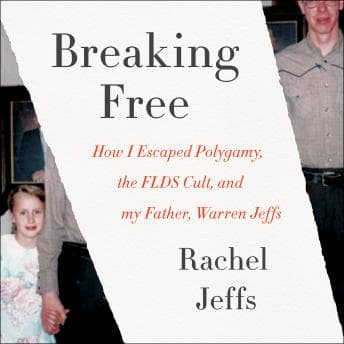
"I am a daughter of God, and I will not be broken."
I don't remember the exact timestamp - somewhere around hour six, maybe - but Rachel Jeffs says something close to this, and I had to pull over in the hospital parking lot. I was early for my shift, which never happens, and I sat there in the dark with the engine running, just... sitting with it.
This is not an easy listen. I need to say that upfront.
When the Survivor Tells Her Own Story
Here's the thing about author-narrated memoirs, especially ones about trauma: you're not getting a polished performance. You're getting the actual person. Rachel Jeffs sounds robotic at times. Emotionally distant. Her delivery is flat in places where you'd expect tears or rage.
And you know what? That's exactly what prolonged abuse does to a person.
As someone who's actually worked with trauma survivors - who's held the hands of women in the ER who speak in that same detached monotone when describing the worst nights of their lives - I recognized that voice immediately. It's not bad narration. It's dissociation. It's survival mode that never fully turned off. Some listeners complained about the pacing, about the lack of emotional range, and I get it. But they're missing what's actually happening here.
I did bump it to 1.25x speed around hour three, not because she was boring me, but because the flatness was starting to feel suffocating. That actually helped.
The Medical Details Are Accurate. Finally.
Okay, this isn't a medical thriller, but Rachel describes the physical aftermath of abuse - the pregnancies, the births, the way women's bodies were treated as community property - and she gets it right. No melodrama. No Hollywood sanitizing. Just the brutal, clinical reality of what happens when girls are married off at fifteen and expected to produce children until their bodies give out.
She talks about "houses of hiding" - punishment facilities where women were locked away, separated from their children, for perceived sins. The psychological torture of it. The way the FLDS used isolation the same way cults always do. I've read John Krakauer's Under the Banner of Heaven, and this is the view from inside that world. Open Book gave me that same unfiltered intimacy, though Jessica Simpson's story couldn't be more different from Rachel's. First-person. No journalist filter.
Warren Jeffs is currently serving life for child sexual assault, and he's still running this church from prison. Still issuing edicts. Still controlling thousands of people. Rachel includes a family tree PDF with this audiobook - you'll need it. The man had over fifty wives. Rachel was his first plural daughter by his second wife. The math of it is staggering.
Where It Falls Short
The ending. I have to be honest.
After eight hours of meticulous, painful detail about her childhood, her forced marriage, her escape attempts - the actual leaving feels rushed. Like she ran out of pages. Or maybe ran out of emotional bandwidth to revisit that final break. I wanted more about how she rebuilt. How she parents now. How she's processing all of this.
But then she prays for her family at the end. For the people still trapped in the FLDS. For her siblings who haven't gotten out.
Carlos asked why I was crying in the car. I blamed allergies. He didn't believe me.
Who Should Listen (And Who Should Skip)
This requires focus. Heavy subject matter, heavy content warnings - sexual abuse, emotional abuse, violence, adult/minor relationships. Not background listening. Definitely not bedtime. I listened during my commute and during charting breaks, and honestly? It made the 3 AM quiet feel less lonely, knowing someone else had survived their own version of impossible.
Skip this if you need a polished, gripping performance with distinct character voices. But if you want to understand how cults actually work from someone who lived inside one - who was born into it, raised in it, married within it, and clawed her way out - this is essential listening.
My mom would love this. She's been on a true crime kick lately, but this is different. This is testimony. This is someone refusing to be silent about what happened to her and what's still happening to others.
Night Shift Approved (With Caveats)
Rachel Jeffs isn't a trained narrator. She's a survivor who decided to tell her own story in her own voice, flat affect and all. There's something more honest about that than any professional performance could have been. The robotic delivery isn't a flaw - it's evidence.
Perfect for that post-shift decompression when you need to remember that people can escape impossible situations. That walls do come down. That freedom is possible even when you've been told your whole life that it isn't.
Just maybe keep tissues in your car.






![Steve Jobs [unabridged audiobook] audiobook cover](/_next/image?url=https%3A%2F%2Fcovers.audiobooks.com%2Fimages%2Fcovers%2Ffull%2F9788499923406.jpg&w=1920&q=75)