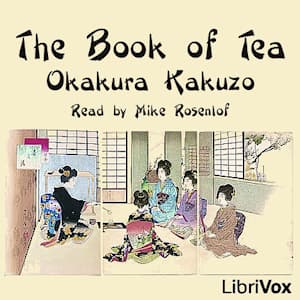

Look, I'll admit it - when I saw a two-hour audiobook about tea philosophy, my first thought was 'this is going to put me to sleep faster than a briefing on procurement regulations.' I was wrong. Dead wrong.
Okakura Kakuzo wrote this thing in 1906, in English, specifically to explain Japanese culture to Western audiences. And here's what caught me off guard: the man wasn't just talking about tea. He was talking about discipline, simplicity, and the kind of intentional living that most of us - myself included - have completely lost touch with.
The Unexpected Tactical Value
I spent 25 years in environments where efficiency was everything. Get in, get the job done, get out. But Kakuzo makes a compelling case that the Japanese tea ceremony represents something we've forgotten in the West - the idea that how you do something matters as much as what you accomplish.
There's a military parallel here that hit me during a long drive to San Antonio. I've been thinking about that kind of institutional discipline since listening to Winston Churchill - different context, same understanding that culture matters. The best units I ever served with weren't just effective. They had rituals, standards, ways of doing things that seemed unnecessary until you realized they built cohesion and discipline.
The chapters on Zen and Taoism aren't what you'd expect from a book about beverages. Kakuzo connects the tea ceremony to architecture, art, flower arrangement - basically every aspect of Japanese aesthetic philosophy. And he does it without the kind of mystical hand-waving that usually makes me tune out. The man was a scholar at the Imperial Museum, not some guru selling enlightenment.
Rosenlof's Steady Hand
Mike Rosenlof's narration surprised me. I couldn't find much about him online, but based on this performance, he understood the assignment. His pacing matches the contemplative nature of the material - steady, clear, unhurried. For philosophical content like this, that's exactly what you need. Too fast and you miss the nuance. Too slow and it becomes a sleeping pill.
His delivery is absorbing without being dramatic. He's not trying to make tea sound exciting - he's letting Kakuzo's ideas speak for themselves. One listener mentioned they don't typically enjoy audiobooks but appreciated Rosenlof's reading. I get that. There's a clarity to his voice that makes complex philosophical concepts accessible.
At just over two hours, this is basically a long commute or a couple of morning runs. I listened at 1.25x - my usual speed - and it worked fine, though I'd actually recommend normal speed for this one. The ideas need room to breathe.
Not Really About Tea
Here's the thing I didn't expect: it's not really about tea at all. It's about intentionality. About creating space for beauty in a world that's constantly demanding your attention. Kakuzo talks about the tea room as a temporary refuge from the outside world - and honestly, after three deployments and fifteen years of corporate security consulting, that concept hits different.
The book does have its slower moments. There's a section on flower arrangement that lost me briefly - I'm not exactly the type to contemplate ikebana. But even there, Kakuzo circles back to principles that apply beyond the specific art form. Simplicity. Restraint. The idea that empty space has value.
One thing that struck me: Kakuzo wrote this over a century ago, but his observations about Western culture's obsession with 'progress' feel uncomfortably current. The man saw something about us that we're still struggling to see about ourselves.
Who This Is For (And Who Should Skip It)
Would I recommend this to my security clients? Probably not. Would I recommend it to anyone feeling overwhelmed by the constant noise of modern life? Absolutely. Skip it if you need action or narrative drive - this is philosophy, not plot. But if you've spent your whole life moving fast and you're starting to wonder what you've missed, this two-hour listen might be worth your time.
Cooper, Signing Off
Ranger approved this one. Though he'd probably prefer a book about bacon.





![Steve Jobs [unabridged audiobook] audiobook cover](/_next/image?url=https%3A%2F%2Fcovers.audiobooks.com%2Fimages%2Fcovers%2Ffull%2F9788499923406.jpg&w=1920&q=75)