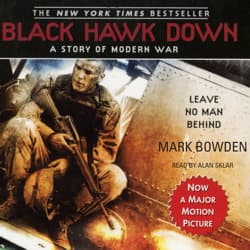
Let me cut to the chase: I've lived this nightmare. Not Mogadishu specifically, but that chaos - the radio chatter that bleeds together, the plans that evaporate the second boots hit ground, the way time stretches and compresses when rounds are flying. Mark Bowden gets it right. And that's not something I say lightly about civilian war writers.
I expected to hate this audiobook. Seriously. After the movie came out, everyone and their mother suddenly had opinions about urban warfare and special operations. Most of it was garbage. So I avoided the book for years. Ranger finally convinced me to give it a shot - well, he didn't complain when I put it on during our morning runs, which is basically an endorsement.
Where Bowden Earns His Stripes
Here's what separates this from the typical "I embedded with soldiers for two weeks" journalism. Bowden interviewed everyone. Both sides. He got the classified radio transcripts. He watched the combat video. And he doesn't editorialize the hell out of it - he just shows you what happened, moment by moment, through the eyes of the guys who were there.
The jumping between perspectives? Some folks complain about that. I get it. But that's exactly what combat is like. You don't get a neat linear narrative when everything goes sideways. You get fragments. You get chaos. The structure mirrors the reality, and I respect that choice even when it makes you work harder as a listener.
What hit me hardest were the small details. The way soldiers improvise when their training doesn't match the situation. The radio calls that go unanswered. The medics working with nothing. I've been in rooms where we debriefed operations that went bad, and Bowden captures that same weight - the "what if" that follows you home.
Alan Sklar Behind the Mic
Sklar's got this husky, serious delivery that works for the material. He's not trying to do action-movie drama - he's treating it like what it is, which is a tragedy wrapped in a firefight. When he drops his voice for the intense moments, it lands. When he needs to boom, he's got the range.
That said - and I'm being honest here - keeping track of all the soldiers gets tricky. Bowden introduces a lot of names, and Sklar doesn't do wildly different voices for each one. For me, that wasn't a dealbreaker because I'm used to processing after-action reports where everyone sounds the same anyway. But if you need distinct character voices to follow along, you might struggle in spots.
Sklar brings that same measured gravity to Cold War: A New History—different battlefield, same respect for the weight of the story.Is it too dramatic at times? Maybe. There were a few passages where I thought he was leaning a bit heavy. But compared to narrators who phone it in on military material, I'll take someone who gives a damn about the story they're telling.
The Fifteen-Hour Commitment
At fifteen hours, this is a commitment. I listened at 1.25x - my usual speed - and it felt right. Sklar's pacing is measured enough that speeding up doesn't lose anything important. Knocked it out over about two weeks of commutes and runs.
Fair warning: this is not light listening. Bowden doesn't sanitize anything. The wounds are described in detail. The fear is palpable. The Somali civilian casualties are addressed head-on, which is something a lot of American accounts skip over. If you're looking for rah-rah military heroism without the ugly parts, this isn't it. If you want the truth about what happened that day - including the parts that make you uncomfortable - mission accomplished.
Who's This For?
If you want to understand modern urban combat, the limitations of military planning, and what happens when policy meets reality on the ground - this is essential. Skip it if you need sanitized heroics or can't handle graphic descriptions of combat wounds.
Mission Complete
This audiobook belongs in the same category as "We Were Soldiers Once" and "The Things They Carried." Would I listen again? Probably not soon - it's heavy. But I'm glad I finally stopped being stubborn about it. Bowden did his homework. Sklar delivers it with the gravity it deserves. And Ranger slept through most of it, which means I wasn't yelling at the book for getting things wrong.
For my fellow vets: this one's accurate. For everyone else: this is what we wish more people understood about what actually happens downrange. Not the movie version. The real thing.






![Steve Jobs [unabridged audiobook] audiobook cover](/_next/image?url=https%3A%2F%2Fcovers.audiobooks.com%2Fimages%2Fcovers%2Ffull%2F9788499923406.jpg&w=1920&q=75)