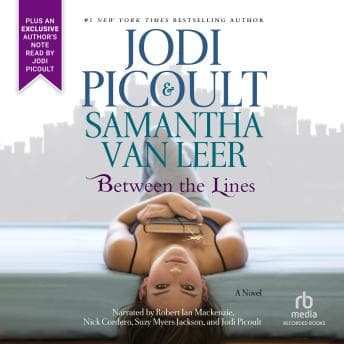

Jenny handed me her Kindle last Tuesday and said, "You need to read something that isn't about unit economics." I told her my Audible queue was full. She told me she didn't care. So there I was, 11 PM, doing dishes after a late client call, listening to a Jodi Picoult YA novel about a girl who falls in love with a fairy tale prince. At 1.5x, because even Jenny's interventions have limits.
Here's the thing. I didn't hate it.
A McKinsey Guy Walks Into a Fairy Tale
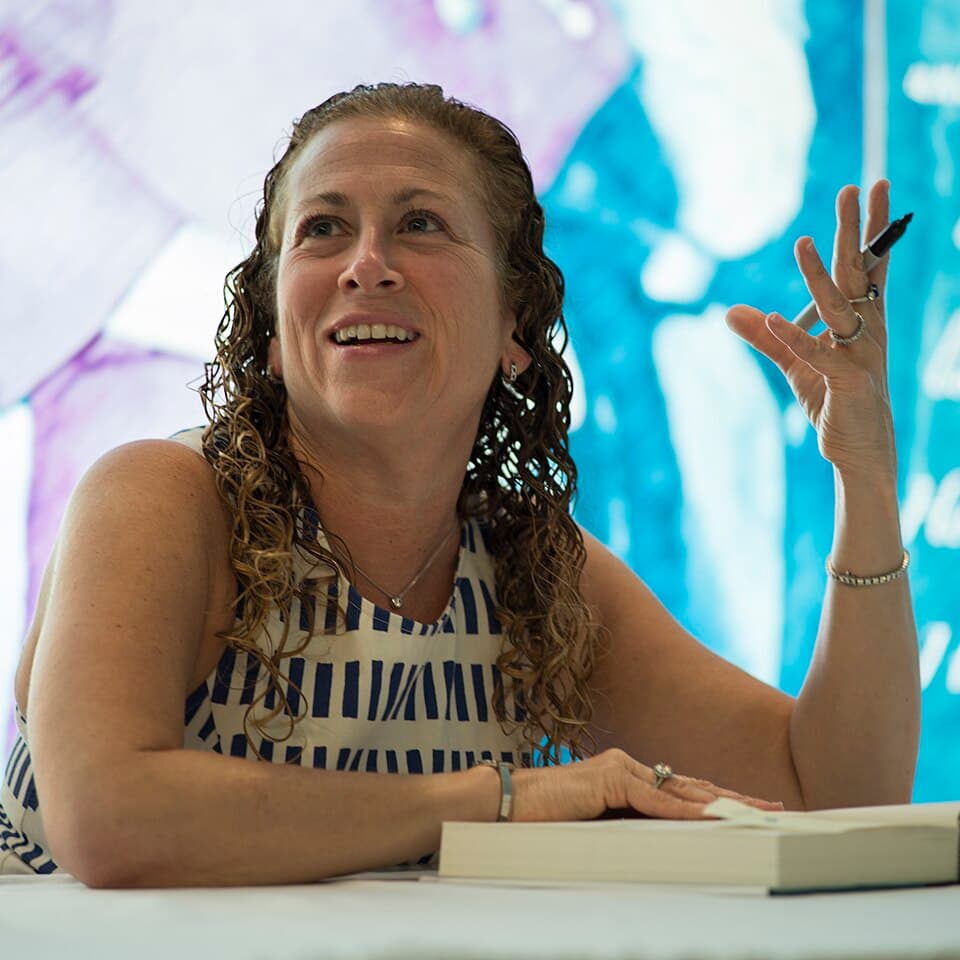
Bottom line: Between the Lines is a lightweight, charming listen that knows exactly what it is and doesn't pretend to be more. Picoult co-wrote this with her teenage daughter Samantha van Leer, and you can feel the dual authorship — there's a YA earnestness in the dialogue that reads authentic rather than manufactured, mixed with the structural competence of someone who's written twenty-plus novels. The teen interior monologues actually sound like a teenager wrote them, which is the point, and they're better for it.
The premise: Delilah, a high school outsider, finds a fairy tale in her school library and becomes obsessed with it. Then the prince inside the book — Oliver — starts talking back. He wants out of the story. She wants to help him. It's basically a meta-fiction love story wrapped in a YA package, and if you squint, there's something in there about the stories we tell ourselves versus the lives we actually want to live. Shape of Water occupies that same space — a genre romance that keeps earning its keep by saying something real underneath the fantastical premise.
I've consulted for media companies that spend millions trying to crack the "cross-generational appeal" code. Picoult and her daughter did it with a straightforward concept: what if fictional characters had their own lives when you close the book? It's not groundbreaking philosophy, but it's executed with enough warmth that you stop checking how much time is left.
Three Narrators, Zero Confusion
The production uses three narrators — Robert Ian Mackenzie, Suzy Myers Jackson, and Nick Cordero — each handling a different POV. And honestly? This is where the audiobook earns its keep over the print version. When characters jump between the "real world" and the fairy tale world, the narrator shifts give you an instant GPS fix on where you are. No mental recalibration needed.
Suzy Myers Jackson voices Delilah with this vulnerability that doesn't tip into whiny — she sounds like a smart kid who's lonely and knows it. Mackenzie's Oliver has the confidence of someone who's literally been written to be a hero, but there's a restlessness underneath. The contrast between the two carries the emotional weight of the book. You buy the connection between these characters partly because the voices sell it.
Jodi Picoult herself narrates some portions, which — look, author narration is usually a coin flip. Here it works fine. She's not trying to be a voice actor. She's being a storyteller, which is exactly the right instinct for a book about stories.
Where the ROI Gets Shaky
Now. The pacing. If I'm being honest — and Jenny would say I'm being harsh, Jenny is right — the middle third drags. There's a stretch where the mechanics of "how do we get Oliver out of the book" become repetitive. Multiple attempts, multiple failures, reset, try again. It feels like padding, and at 8 hours 46 minutes, this book could've been a tighter six. My 2.0x speed couldn't save this one during those sections, so I dropped to 1.5x for the character moments and fast-forwarded through the circular problem-solving.
The resolution also doesn't quite land. Without spoiling it — the ending feels like it needed one more draft. You spend eight hours investing in this impossible romance, and the payoff feels... convenient. Like a consulting deck where the recommendation doesn't fully follow from the analysis. The journey is better than the destination.
But here's what I keep coming back to: my parents worked 14-hour days and never read fiction. Not because they didn't want to — because they couldn't afford the time. A book like this, about a girl who escapes into stories because her real life is hard? I get that more than I expected to. Delilah's not lazy. She's coping. And the book respects that distinction.
Who Gets Their Money's Worth
If you're a YA fan, a Picoult completist, or someone who loved The Neverending Story as a kid — this delivers. If you're looking for Picoult's usual gut-punch adult fiction, recalibrate. This is lighter. Sweeter. The kind of book that would make a solid family road trip listen if your kids are 10-14.
If you're a business book addict like me who needs an occasional palate cleanser? It works for that too. Just don't expect to extract actionable frameworks. (Jenny is laughing at me right now.)
The Consulting Fee Is Optional
The key takeaway is worth the listen. The other 7 hours? Not so much — but "not so much" here means "pleasant but padded," not "bad." The narration carries what the plot occasionally drops. It's a sweet, self-aware story about wanting more than the role you've been assigned. Skip to the Delilah chapters if you lose patience with the fairy tale interludes. Thank me later.