
I almost didn't listen to this one.
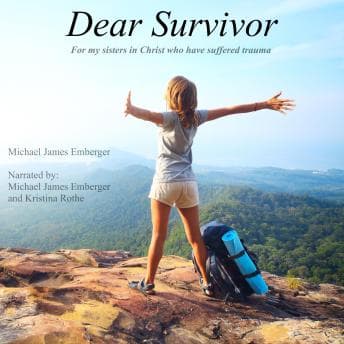
Not because of the subject matter—though that's heavy enough. But because I've read too many well-intentioned books about trauma that end up feeling like after-school specials. You know the kind. All message, no soul. The author tells you in the preface that this is an advocacy novel, that 1 in 4 college women experience sexual assault, that he wrote this because someone he loves is a survivor. And I thought: okay, this is going to be earnest. Maybe too earnest.
I was wrong.
The Mermaid Thing Isn't What You Think
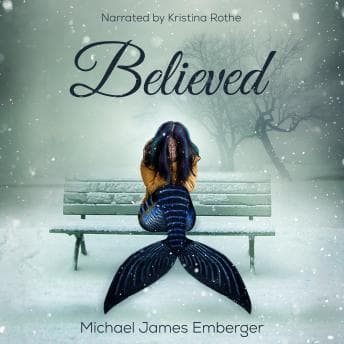
Let's address the obvious question. Yes, the protagonist is a mermaid. A literal mermaid attending the University of Northern Minnesota, swimming on the team, working at a coffee shop. If you're picturing something whimsical or escapist, adjust your expectations. The fantasy element isn't decoration—it's distance. It's the author giving readers (and maybe himself) just enough remove from the real-world horror to actually process it.
My students would probably roll their eyes at the metaphor. But Emberger isn't being subtle, and he's not trying to be. Kelsea stands on "a tail and two fins" to fight for justice. She's literally not like other girls. And somehow, that absurdity makes the brutally realistic trauma she experiences more bearable to witness. Not easier. Bearable.
The assault scene is handled with restraint but doesn't flinch from the aftermath. The PTSD. The crisis of faith. The way everyone around Kelsea has opinions about what she should do, how she should feel, whether she should have done something differently. If you've ever listened to a survivor tell their story—really listened—you'll recognize the rhythms here.
Kristina Rothe Makes This Land
A book like this lives or dies on the voice delivering it. Get it wrong and you've got melodrama. Get it right and you've got something that haunts you.
Rothe gets it right.
Her delivery is what I'd call emotionally precise. She doesn't oversell the pain—she lets it sit. There's this quality to her voice that's hard to describe. Haunting, sure, but also clear. She sounds like someone telling you something true, not someone performing grief. The moments of trauma land because she doesn't telegraph them. She just... says them. And you feel it in your chest.
I listened to most of this during my evening walks along the lakefront with Denise. Usually we chat, but she noticed I kept pausing the audiobook and just staring at the water. "That bad?" she asked. Not bad, I told her. Just heavy. She knows that look. She left me to it.
The audiobook won Best Fantasy - Women's Fiction and Best Narrator - Fantasy from AudioBookReviewer in 2022, and honestly? Rothe's performance deserves more recognition than that. This isn't fantasy narration in the typical sense. It's character work. It's trauma work. It's the kind of performance that makes you forget you're listening to someone read.
Who Needs This—And Who Should Wait
Look, I teach high school. I've had students come to me with stories that echo what's in this book. I've sat in my classroom after hours trying to figure out what to say to a kid who trusted me with something impossible. This book isn't going to give you answers. But it might give you language. It might give you empathy you didn't know you needed.
If you're a survivor, Emberger wrote this for you. He says so in the preface, and he means it—the audiobook is available free on his website. That's not marketing. That's advocacy.
If you're someone who loves a survivor, this might help you understand what you can't fully understand. The isolation. The way faith gets complicated. The exhausting weight of not being believed.
But if you're in a fragile place right now, or if you need your audiobooks to be escape rather than confrontation, this isn't the one. No shame in that. Come back when you're ready.
When Faith Gets Complicated
I should mention—this is categorized as Religion & Spirituality, and it earns that label. Kelsea's crisis of faith runs throughout. Not preachy, not prescriptive. Just honest about how trauma complicates belief. How do you trust a God who let this happen? How do you pray when you feel that broken?
Emberger doesn't offer easy answers. He offers presence. Which, if you've read your Wiesel or your Dostoevsky, you know is sometimes the only honest response to suffering. Redeeming Love wrestles with similar questions about faith after trauma, though it takes a very different narrative path to get there.
Mr. Williams's Final Bell
Almost ten hours of listening. Felt longer in the best way—the way a good novel makes time stretch because you're living in it. I finished the last chapter sitting in my car in the school parking lot, twenty minutes before first period, trying to pull myself together before facing a classroom full of teenagers.
My students would hate this. I love it.