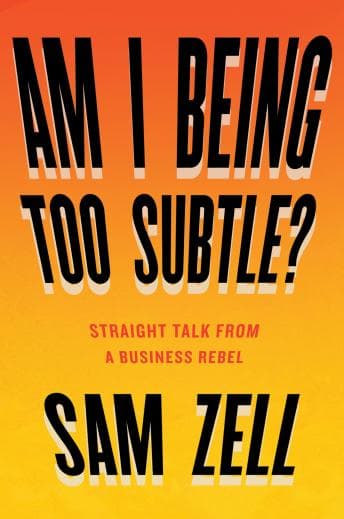

Okay, so I need to be honest with you. This book is way outside my usual lane. I'm a romance and memoir girl through and through, and here I am listening to a billionaire real estate mogul talk about supply and demand curves and leveraged buyouts. But my friend who runs her own design studio kept insisting - "Elena, just trust me, his story about his parents is worth it alone" - and she was right. Ugh. I hate when people are right.
The thing is, Sam Zell reads his own book, and that's where it gets interesting for me. Because I've listened to a LOT of author-narrated memoirs, and most of them are... not great? Like, being a fascinating person doesn't automatically make you a good narrator. But Zell has this gruff, no-nonsense delivery that actually works. He sounds like your uncle who made it big and is telling you stories at Thanksgiving after a couple of whiskeys. Not polished. Not smooth. Just... real.
When the Refugee Story Hit Different
So here's where I got unexpectedly emotional. (Yes, I found a way to cry during a business book. I'm consistent if nothing else.) Zell's parents were Jewish refugees who escaped Poland right before WWII. His father literally walked out of their home with nothing, rebuilt everything in America, and instilled in Sam this philosophy of seeing opportunity where others see disaster.
And look - I wasn't expecting to connect a billionaire's origin story to my own abuela's journey from Mexico, but there I was, pausing my work on a logo design because my eyes were too blurry to see straight. The way Zell talks about his parents' resilience, their refusal to play by conventional rules because conventional rules had failed them so catastrophically? That felt like something I understood in my bones. Abuela would have LOVED this part. She always said the people who follow all the rules are the ones who never had to survive anything. That same fierce independence shows up in Year of Yes, though Shonda Rhimes comes at it from a completely different angle—saying yes to everything instead of betting against conventional wisdom.
The Ego Thing (Let's Just Address It)
I'm not going to pretend this book doesn't have an ego problem. It does. Zell spends a lot of time talking about how right he was about various deals, how he saw what others couldn't, how his instincts are basically legendary on Wall Street. And yeah, some of that made me roll my eyes so hard I almost missed a turn while driving.
But here's the thing - and maybe this is because I work with a lot of creative entrepreneurs - I've met people like this. The ones who are genuinely brilliant AND genuinely exhausting about it. Zell doesn't pretend to be humble. He literally titled the book "Am I Being Too Subtle?" as a joke about how unsubtle he is. So at least he's self-aware about being insufferable? That counts for something.
The narration actually helps here because you can hear the humor in his voice when he's being outrageous. On paper, some of these stories might read as pure bragging. But hearing him tell them, there's this twinkle - like he knows he's being ridiculous and he's daring you to call him on it.
Who Should Listen (And Who Should Skip)
If you're like me and you primarily listen for emotional connection and beautiful prose, this is... not that. The writing is functional, not lyrical. There are no passages I wanted to screenshot and post on Instagram. The vibes are more "aggressive optimism" than "cozy introspection." Skip this if you need your audiobooks to make you feel things on every page.
But if you're a creative freelancer trying to figure out how to think bigger about your work? Or if you're interested in immigrant success stories that don't sanitize the hustle? Or honestly, if you just want to hear a guy who genuinely does not care what anyone thinks about him? It's kind of refreshing. In a world of carefully curated personal brands, Zell is out here keeping ducks outside his office and wearing jeans to meetings in the 1960s just because he wanted to.
I listened to most of this while doing repetitive design work - vectorizing logos, cleaning up files, that kind of thing. It's actually perfect for that. Engaging enough to keep you company, but not so emotionally demanding that you'll mess up your work because you're sobbing. (Unlike, say, anything by Taylor Jenkins Reid, which I can only listen to when I don't need to function.)
The production quality is clean, though I did notice a few moments where the audio felt slightly rough. Nothing deal-breaking, just noticeable if you're an audio quality snob like me.
Would I listen again? Probably not - it's not that kind of book. But I'm genuinely glad I stepped outside my comfort zone for this one. Sometimes the stories that surprise you most are the ones you'd never pick for yourself.









