
The Listening Experience
Okay, so I'll be honest—I started this audiobook with my behavioral psychologist skepticism fully engaged. Self-help relationship books? The research actually shows most of them are repackaged common sense dressed up in catchy frameworks. I had similar skepticism going into Top 1%: Habits, Attitudes & Strategies For Exceptional Success, another framework-heavy self-help book that surprised me by actually delivering something useful. But here I am, four hours and forty-seven minutes later, chopping onions for a dal that nobody else will eat, thinking about my parents' marriage and why my father always fixed things around the house instead of saying "I love you" out loud.
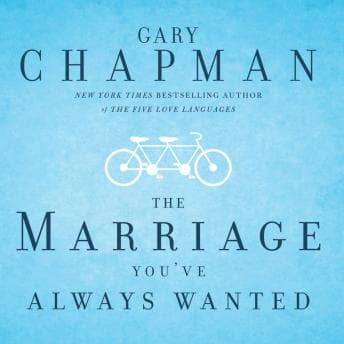
Gary Chapman narrates his own book, and look, this is where author-narrated audiobooks can go very right or very wrong. Chapman sounds exactly like what he is: a Southern pastor who's spent decades in marriage counseling. His voice has this grandfatherly warmth that made me feel like I was getting advice from someone's wise uncle at a family gathering. Not polished. Not performative. Just... genuine. My therapist would have thoughts about why I found that so disarming, but here we are.
The framework itself—five distinct "languages" through which people express and receive love (words of affirmation, quality time, receiving gifts, acts of service, physical touch)—is deceptively simple. And I found myself asking: why does this connect with millions of people when it's basically saying "people are different"? The answer, I think, is that Chapman understands something fundamental about human nature. We assume our partners experience love the way we do. We project. We get frustrated when our grand gestures land flat. The protagonist in every failing marriage he describes exhibits classic cognitive egocentrism. They're loving their partner in their own language, not their partner's.
What Chapman Gets Right (And What Made Me Cringe)
The case studies are where this audiobook shines. Chapman peppers the book with couples from his counseling practice, and honestly? They read like character studies. There's the husband who couldn't understand why his wife felt unloved despite his sixty-hour work weeks (acts of service, meet quality time). The wife whose constant criticism masked a desperate need for words of affirmation she never received. A fascinating study in how miscommunication becomes resentment becomes emotional distance.
Chapman's narration gives these stories real weight in a way that a different narrator might not. When he voices the frustrated husband or the tearful wife, you can hear the decades of sitting across from real people in crisis. It's not theatrical—he's not doing "voices" exactly—but there's an authenticity that made me forget I was listening to a self-help book.
That said. (And you knew there was a "that said" coming.)
The book is deeply, unapologetically heteronormative and rooted in traditional Christian marriage. Chapman is a Baptist pastor, and it shows. Every example is a husband-wife dynamic with fairly conventional gender roles. If you're in a same-sex relationship, you'll need to do some mental translation. If you're not religious, some sections will feel like they're speaking past you. This didn't ruin the book for me—the core psychological insights transcend the packaging—but it's worth knowing going in.
Also, psychologically, some of this doesn't quite track. Chapman presents the five languages as relatively fixed traits, but attachment research suggests our "love language" preferences might shift based on relationship security, life stage, and even what we're currently lacking. The framework is useful as a conversation starter, not as a diagnostic tool. My students would lose points for treating it as settled science.
Who Should Listen (And Who Should Skip)
Here's the thing: this book isn't really about discovering some hidden truth about yourself. You probably already know whether you crave quality time or physical affection. What makes this compelling is the permission it gives you to ask your partner directly: "How do you feel loved?" And then—radical concept—actually listening to the answer.
At under five hours, it's a quick listen. I got through most of it during morning jogs through Cambridge, and Chapman's measured pacing works well at 1.25x speed without losing clarity. The audio includes a personal profile assessment at the end, which is a nice touch for couples who want to compare results.
Would I recommend it? If you're in a relationship that feels stuck, or if you keep having the same argument about "you never appreciate what I do," this is worth your time. Skip it if you need evidence-based psychology or can't tolerate the traditional Christian framing—you'll spend more time mentally editing than absorbing. It won't replace actual couples therapy. But it might give you a vocabulary for conversations you've been avoiding.
My mother would probably tell me I should listen to this more carefully. "Beta, when will you find someone?" Maa, that's not how this works either. But maybe if I do, I'll already know to ask what language they speak.