
Self-help books about shyness are a bit like textbooks on swimming—you can read them all day, but at some point, you have to get in the water.
I listened to this while prepping a massive batch of dal makhani at 10 PM on a Tuesday. Something about the rhythmic stirring and Dr. Goldsmith's steady voice felt appropriately therapeutic. My therapist would probably have thoughts about that.
The Research Actually Shows... Sort Of
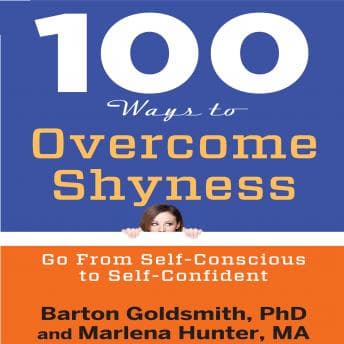
Here's what makes this book interesting from a psychological standpoint: it's structured like a workbook, not a manifesto. One hundred discrete chapters, each tackling a specific social scenario or anxiety trigger. Party small talk. Workplace meetings. The dreaded "what do I do with my hands" problem. As someone who studies human behavior patterns, I appreciated that Goldsmith and Hunter don't pretend shyness is one monolithic condition. They recognize it's contextual—you might be perfectly comfortable presenting to a boardroom but freeze at a cocktail party.
The inclusion of material specifically addressing social anxiety and autism spectrum considerations was a thoughtful touch. The research on neurodivergent social experiences is still evolving, and while this book doesn't go deep into that literature, it at least acknowledges that not all shyness operates the same way neurologically. Raising Good Humans takes a similar approach to acknowledging individual differences—though in parenting rather than social anxiety—by respecting that not every strategy works for every child's nervous system. That's more than most self-help books in this space bother to do.
But—and this is a significant but—the advice itself is fairly basic. If you've already done any reading on social anxiety, CBT techniques, or communication skills, you'll recognize most of these strategies. The "conversation starters" feel a bit like training wheels. Useful if you genuinely don't know where to begin, but not exactly revelatory.
Tim Andres Pabon Makes It Feel Like Coaching
The narrator deserves credit here. Pabon reads with this warm, encouraging energy that genuinely makes the material feel like you're getting advice from a patient life coach rather than listening to a textbook. There's no condescension in his delivery—which, given the subject matter, could have gone badly. Shy people don't need someone talking down to them. He hits the right tone: supportive without being saccharine.
At five hours, it's a manageable listen. I found myself absorbing it in chunks while cooking and during my morning jogs through Cambridge. The chapter-based structure works well for that—you can pause between sections without losing the thread.
What Makes This Character Compelling Is... Wait, Wrong Book
Okay, I'll admit: my brain kept trying to analyze this like a case study rather than practical advice. Occupational hazard. But that instinct actually highlighted something useful about the book—it's full of mini case studies. Real-ish scenarios that illustrate the principles. A shy person at a networking event. Someone struggling to speak up in meetings. These examples ground the advice in recognizable human behavior.
The problem is they're not particularly memorable. I finished the book two days ago and I'm struggling to recall specific anecdotes. The advice blends together into a general impression of "be prepared, breathe, start small, practice." Which is... fine? It's accurate. It's just not riveting.
Who Should Listen (And Who Should Skip)
Let me be direct: if you're new to self-help and genuinely struggling with basic social interactions, this is a solid starting point. The exercises are practical. The tone is encouraging. The structure lets you focus on your specific problem areas without wading through irrelevant material.
But if you've already read a few books in this space—or worked with a therapist on social anxiety—skip this one. You're not going to find much new here. The research-backed techniques are sound but standard. You're essentially paying for a well-organized compilation of existing wisdom, delivered in an accessible format.
I found myself asking: why does this book exist when so much of this information is available elsewhere? The answer, I think, is accessibility. Not everyone wants to dig through academic literature or piece together advice from multiple sources. Sometimes you just want someone to tell you, clearly and kindly, how to survive a party.
My Professional Assessment
This is a good introductory text. Not groundbreaking, not life-changing (my therapist would roll her eyes at that word anyway), but genuinely useful for its target audience. Pabon's narration elevates material that might otherwise feel dry. The structure respects your time.
Would I assign it to a research assistant? No. Would I recommend it to my cousin who just started her first office job and panics at team lunches? Absolutely.
Some books change your life. Others give you a few tools to make tomorrow slightly less terrifying. This is the latter, and there's nothing wrong with that.