
This is a morally ugly book in the best possible way.
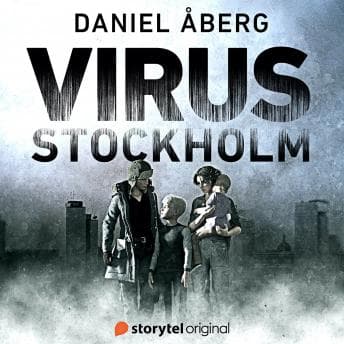
I was up late running threat assessments for a client presentation, Ranger asleep on my feet under the desk, and I figured I'd let Book 2 of Daniel Åberg's Virus series run in the background while I worked. Bad call on the "background" part. By the second hour I'd closed my laptop and was just... listening.
The Moral Math Gets Dirty Fast
Let me cut to the chase - the setup is a familiar apocalyptic scenario. Airborne virus, civilization toast, small group of survivors trying to hold it together. If that's all this was, I'd have left it at 1.25x and gone back to my spreadsheets. But Åberg does something I respect: he doesn't let his characters off the hook. Sigrid gets kidnapped by a gas-mask-wearing militia, and the rescue operation isn't some clean tactical extraction. It's messy. People die who probably didn't need to die. And the book actually stops and asks the question most post-apocalyptic fiction sprints right past - how many bodies are acceptable to save one person you love?
I've seen this scenario play out in real life, minus the virus. The calculus of acceptable loss. The moment you realize your rescue plan has a cost that might be worse than the problem. Åberg's a journalist, not a soldier, but he understood that weight. The four leads - Amanda, Iris, Sigrid, and Dano - aren't action heroes. They're people making terrible decisions under pressure and living with the wreckage after.
Some listeners have knocked this book for pacing issues, and I'll be honest - they're not wrong in spots. There's a section mid-book where the characters are regrouping that could've been trimmed by twenty minutes easy. When your premise is "rescue before morning or she dies," every scene needs to earn its seat at the table. A couple didn't.
Michelle Fox Holds the Line
Here's where I have to be straight with you. I don't have a lot of granular detail on Fox's performance across specific scenes, so I'm working more from general impression than surgical analysis. She handles the dystopian tone well - there's a weariness to her delivery that fits survivors who are already broken before the real trouble starts. The Swedish names and locations didn't trip her up noticeably, which matters when you're dealing with a translated work (Anita Shenoi handled the translation). At 9 hours and 22 minutes, it's a reasonable commitment, and Fox keeps the energy where it needs to be during the action sequences.
But I wouldn't call this a performance that elevates the material beyond what's on the page. It's competent, professional, gets the job done. For a book that asks some genuinely hard emotional questions about violence and sacrifice, I wanted a narrator who'd twist the knife a little more in those quiet moments between the chaos. Fox stayed steady when the material called for someone to occasionally crack.
I ran it at 1.25x and the pacing actually benefited from the bump - those slower middle sections tightened up nicely.
Worth Your Time? Here's the Debrief
This is Book 2, so you need to have gone through the first installment or you'll be lost on the character dynamics. That's not a complaint - it's just a fact. The book assumes you know who these people are and what they've already lost.
Who should grab this: anyone who wants their apocalypse fiction to actually grapple with consequences. If you liked the moral complexity of The Road but want more plot momentum and a ticking clock, this scratches that itch. Dune scratched something similar for me years back - that same sense of characters caught in systems larger than their own moral intentions, forced to make calls that haunt them. Also - if you're tired of post-apocalyptic stories where the good guys always make the right call and everything works out, Åberg's not interested in comforting you.
Who should pass: if you need your protagonists to be likeable at all times, you're going to have a bad time. And if military/tactical accuracy in militia operations matters to you (it matters to me), the armed group here feels more "fictional threat" than "realistic paramilitary organization." I let it go because the book's real interest is the ethical dilemma, not the tactics.
The author clearly did their homework on the human side of catastrophe, even if the operational details are thin. That's a trade-off I can live with for a nine-hour listen that actually made me stop working and pay attention.
Ranger slept through the whole thing. But he's heard worse.