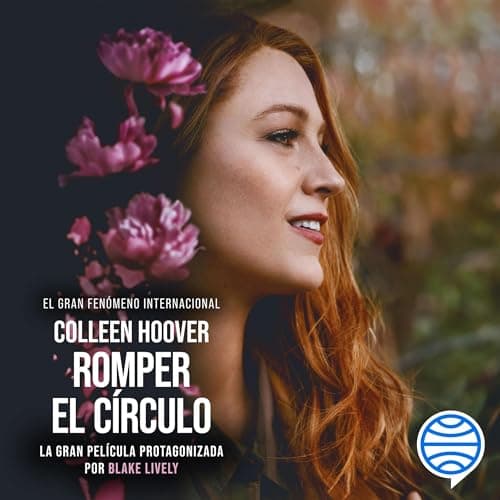

Everyone told me this was the book that would make me cry. TikTok said so. My students said so. Denise said so after she read the paperback last summer. So I went in braced for emotional devastation - and what I got was something more complicated than that, something that sat with me longer than I expected, but not always for the reasons everyone promises.
I started listening during a Saturday morning walk along the lakefront, which turned out to be a terrible idea. Not because I was sobbing in public (though I came close around hour seven), but because the early chapters have this deceptive lightness - Lily meeting Ryle on a rooftop, their banter, the almost rom-com setup - and it lulled me into thinking I could just enjoy this casually. By the time I got home, I'd walked an extra forty-five minutes past my usual turnaround point without noticing.
The Bait and Switch That Actually Works
Here's what Hoover does that I have to respect as someone who teaches narrative structure: she builds a genuinely appealing romance for the first third. Ryle is charming, specific in his charm - the neurosurgeon who cooks naked, the guy who remembers small details. You're rooting for him. And that's the whole point. Because when the first incident happens, you feel it the way Lily feels it. Valentine Proposal plays in similar emotional territory—that same slow-burn setup where you're invested before the cracks appear. You make the same excuses. You think maybe it was an accident. Hoover isn't just telling you about the cycle of abuse - she's tricking you into living it.
That's smart writing. Not literary fiction smart, not the kind of thing I'd teach alongside Toni Morrison, but emotionally intelligent in a way I don't think gets enough credit.
Júlia Lara Jiménez and the Spanish That Breathes
Listening in the Spanish translation adds a layer I didn't anticipate. Lara Agnelli's translation reads naturally - this isn't stiff, overly formal Castilian prose trying to contain American vernacular. And Júlia Lara Jiménez carries it well. Her Lily sounds young without sounding naive, which is a hard line to walk. The diary entries from teenage Lily - the letters to Ellen DeGeneres - shift register just enough that you hear the difference between the girl and the woman without Jiménez doing some dramatic voice change. It's subtle work.
I will say: the male voices don't fully land. Ryle and Atlas blur together at times, and in a book where distinguishing between two love interests matters enormously, that's a real limitation. By the midpoint I was tracking who was speaking by context, not voice. Not a dealbreaker, but worth noting if you're choosing between reading and listening.
What My Students Would Say (And Where They'd Be Right)
My AP Lit kids would tear this apart for the Atlas subplot. And honestly? They wouldn't be wrong. Atlas functions more as a symbol than a character for most of the book - the idea of the good man, the road not taken. He's there to show Lily what she deserves, and that's pretty much it. Hoover gives him a tragic backstory that does real work, but as a present-day character he's mostly just... present. Standing in kitchens. Being kind. Looking concerned.
But here's where my students would miss the point - and where twenty years of watching teenagers navigate bad relationships makes me appreciate what Hoover's doing. The book isn't really about choosing between two men. It's about Lily watching her mother's life and deciding whether to repeat it. The scene where Lily's sitting in the hospital, newborn daughter in her arms, running through every justification her mother ever made - that hit me in a way I wasn't prepared for. I was grading papers at eleven at night when that chapter played, and I had to stop. Just sat there in my kitchen.
This is why we still read books like this, even when they're imperfect. Because the emotional argument lands even when the craft wobbles.
Who This Is For (And Who Should Sit It Out)
If you're coming to this expecting literary fiction, recalibrate. The prose is functional, not beautiful. Some of the dialogue feels written for Instagram quotes. But if you want to understand why a smart woman stays - if you've ever asked that question and actually want to feel the answer instead of intellectualizing it - this book earns its reputation. Skip this one if domestic violence is a raw nerve right now; Hoover doesn't flinch from it, and the audio makes it harder to skim past.
Skip the Spanish audiobook specifically if you need crystal-clear vocal differentiation between characters. The print version or the English audiobook might serve you better there.
The Note I'd Leave in the Margins
I started this thinking I'd be the snobby English teacher who finally explains why BookTok is wrong. I'm not that guy today. Hoover wrote something that functions - imperfectly, sometimes clumsily - but functions as genuine empathy machinery. Jiménez understands that pause is punctuation, and she gives the heavy moments the silence they need. Worth pausing the faculty meeting for. (Sorry again, Principal Martinez.)