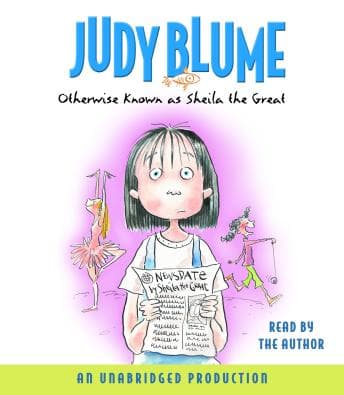

So I'm sitting in my apartment at like 1 AM, surrounded by the wreckage of a failed attempt to debug my procedural dungeon generator, and I think: you know what, I need something that isn't 40 hours of epic fantasy. Something short. Something that isn't going to make me think about Voronoi diagrams or my thesis deadline. I pull up Judy Blume's Otherwise Known as Sheila the Great on a whim - 2 hours 45 minutes, basically a palette cleanser between Cosmere rereads - and honestly? This little book hit me in a way I was not prepared for.
Look, I know. I'm the guy who argues about hard magic systems and defends LitRPG stat blocks. But here's the thing: Sheila Tubman is basically running a bluff check against the entire world with a Charisma modifier she does not have. She's terrified of dogs, swimming, spiders, the dark - and she's out here pretending she's an expert at everything. That's not just a kids' book character. That's every grad student I know, including me, standing in front of their advisor going "yes, Dr. Patel, the thesis is progressing well" while their actual progress is measured in Sanderson novels consumed.
Sheila Tubman Failed Her Deception Roll and I Felt That
The swimming lesson scenes are where this book really earns its keep. Sheila's terror of the water isn't played for cheap laughs - Blume writes it with this matter-of-fact honesty that makes you remember what it felt like to be genuinely afraid of something every adult around you thought was no big deal. When Sheila's faking confidence at the pool while internally spiraling, there's this specificity to her dread that feels true. She's not afraid of some abstract concept of drowning; she's afraid of putting her face in the water, of the feeling of not touching the bottom. That granularity is what separates good character writing from generic "she was scared" stuff.
And then there's Mouse Ellis, Sheila's new best friend who's everything Sheila pretends to be - great swimmer, loves dogs, generally competent. The dynamic between them reminded me of those friendships where someone just sees through your nonsense and likes you anyway. The slumber party sequence is peak middle-grade social dynamics. All the posturing, the hierarchy, the way kids test each other. My D&D group would recognize those power plays instantly. It's like a social encounter where nobody has good rolls but everyone's committed to the bit.
Judy Blume Reading Her Own Work Is a Specific Kind of Magic
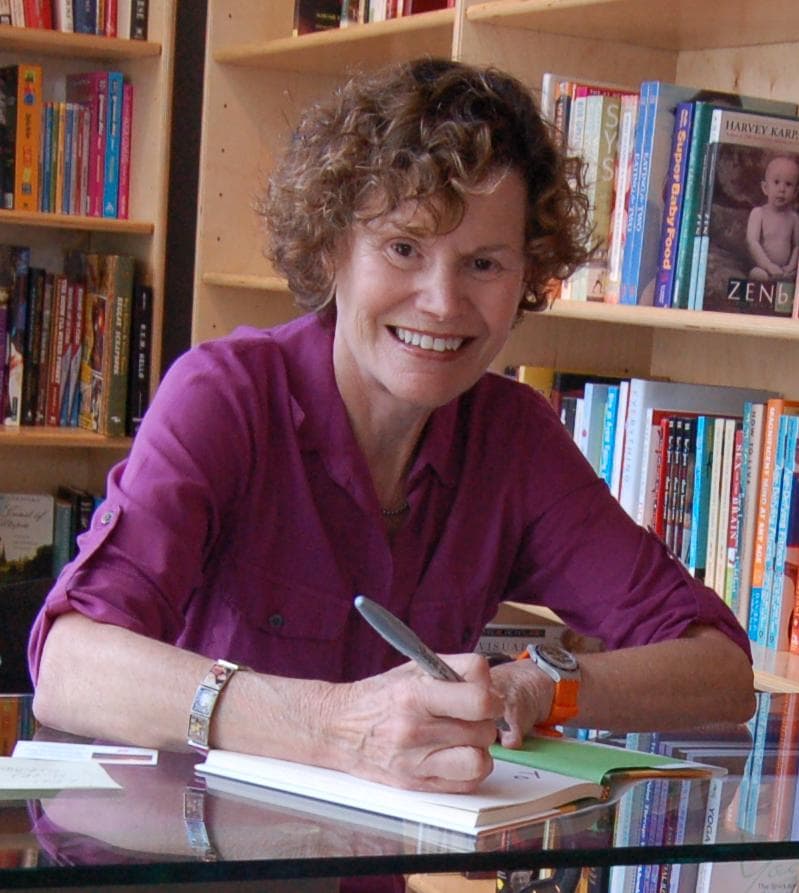
Okay, so - Judy Blume narrates this herself, and I need to be straight with you: she's not doing Steven Pacey-level character differentiation. There aren't wildly distinct voices for each character. What she IS doing is something quieter and honestly kind of perfect for this material. Her delivery has these subtle tonal shifts - a little more anxiety when Sheila's internal monologue kicks in, a warmth when the humor lands, this dry wit that sits underneath the surface. I noticed something similar when I reviewed How to be Heard - there's a category of narrator who isn't performing so much as confiding, and when it works, it lands completely differently than a polished studio production. It's the author reading her own words the way she heard them in her head, and for a 2-hour-45-minute listen, that intimacy works.
It's not a performance. It's a telling. Like if your cool aunt who happened to be a legendary children's author sat down and just... told you a story. The pacing is natural, unhurried. No production bells and whistles - just Blume and the text.
Who's This Actually For (Besides Nostalgic Grad Students Avoiding Work)
If you've got kids in the 7-10 range who are dealing with fears they don't want to admit to, this is genuinely excellent. Sheila's arc from denial to accepting that being scared doesn't make you weak - that lands. It's not preachy about it either. Blume just lets the story do the work.
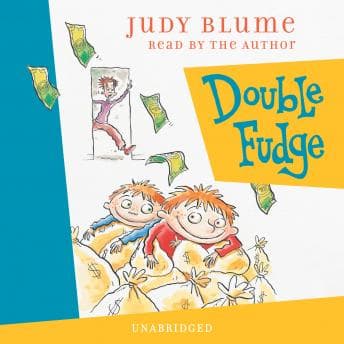
For adult listeners? If you grew up on these books, the nostalgia factor is real. If you didn't, it's still a surprisingly sharp little character study that you can knock out in a single session. It's part of the Fudge series but Sheila's the main character here, so you don't need prior context.
If you need epic scope, complex magic systems, or anything over 3 hours - this obviously isn't that. But sometimes you need to remember that good storytelling doesn't require a thousand pages.
Rolling a Natural 20 on Emotional Honesty
I finished this at like 3 AM, closed my laptop, and thought about being twelve years old in the back of that library in rural Georgia, pretending I wasn't scared of literally everything while rolling dice with three other kids who were doing the same thing. Judy Blume understood something fundamental about being young: the bravest thing you can do is admit you're faking it. At 2 hours and 45 minutes, this is barely a snack by my usual standards. But it's a good snack. The kind that reminds you why stories matter even when they're small.