
"I poured my pain onto a piece of paper late one night."
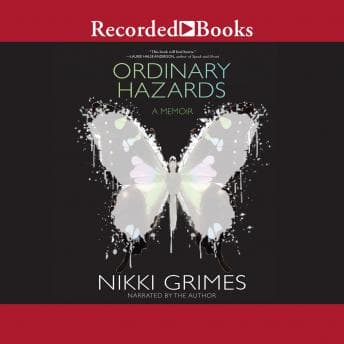
Nikki Grimes was six years old when she wrote that first poem. Six. My Emma is seven and her biggest heartbreak is when we run out of the good fruit snacks. I was sitting in my car - yes, in the garage, don't judge - and that detail just stopped me. I actually paused the audiobook and sat there for a minute.
When a Poet Reads Her Own Wounds
This is a memoir in verse, which I'll be honest, made me nervous. Poetry audiobooks can go one of two ways: either the rhythm carries you or you spend the whole time rewinding because you missed something. Grimes' writing lands in the first camp, and the fact that she's reading her own words makes it hit differently than if someone else narrated. There's this raw, unpolished honesty in her delivery - not performative, not theatrical. She reads a passage about being shuffled between foster homes with this steady, almost matter-of-fact cadence that somehow makes it more devastating than if she'd been dramatic about it. When she describes the babysitters who terrorized her, her voice gets quieter rather than louder. That restraint gutted me more than any full-volume emotional performance could have.
At 4 hours and 37 minutes, this is a short listen. I knocked it out in three days - two nap times and one glorious evening after bedtime when all three kids stayed asleep. (I know. I'm still shocked too.) The verse format means each section is compact, punchy, and easy to pick back up after interruptions. Survived 47 pauses and still made sense. The poems build on each other but each one stands alone enough that when Sophie decided nap time was over 20 minutes early, I didn't lose the thread.
The Content Nobody Warns You About at the Library
Okay, so here's the thing. This book is shelved in young adult. It's won approximately a thousand children's literature awards. And it covers paranoid schizophrenia, sexual abuse, physical abuse, alcoholism, and death. I'm not saying kids shouldn't read or hear it - Grimes wrote it specifically to reach young people going through similar experiences - but I want to be straight with you. This is not a cozy listen. This is not my usual comfort read territory.
The section where Grimes describes being preyed upon by people she trusted - I was white-knuckling my steering wheel at school pickup. Made me cry at school pickup. Worth it though. But also, just... be prepared. If you're handing this to a mature teen, maybe read it yourself first. Not to gatekeep, but to be ready for the conversation after.
What keeps this from being purely devastating is the writing itself. That's the whole point of the memoir - that words saved her. And you can hear it. When she shifts from describing a terrible foster home to the moment she discovers a notebook and a pencil, her voice lifts. Not into happiness exactly, but into something like oxygen. Like she's finally breathing. You hear the exact moment poetry became her survival mechanism, and it's one of the most genuine things I've ever listened to.
Not My Usual Lane, But I'm Glad I Took the Detour
I picked this up because a friend whose taste I trust said "just listen to it, Rachel." My audiobook diet is like 90% romantic comedies and beach reads. I almost never reach for memoirs, especially ones dealing with childhood trauma, because honestly? Wild Orchids was one of the rare times I let myself wander into darker fiction territory, and even that one took me a few weeks to work up to. I get enough emotional intensity from trying to get three kids out the door with matching shoes.
But this book is under five hours. It's written in verse so it moves fast even at 1.25x. And Grimes' voice - her actual, real, this-is-my-life voice - turns what could feel like a catalog of terrible things into something that's ultimately about stubbornness and survival and finding the one thing that's yours when everything else has been taken. She doesn't wrap it up in a neat bow. She doesn't pretend writing fixed everything. But she's here, reading her own story, and that IS the ending.
Not groundbreaking is something I say about a lot of books. This one? This one actually is. Just not in the way I usually mean. It's not going to become my regular rotation. But I think about it when I watch Emma scribbling in her journal before bed, and that's worth more than any comfort read.
Who Needs This in Their Ears
Parents of tweens and teens - listen first, then share it. Teachers, librarians, anyone working with kids who've had rough starts. Adults who love poetry but think memoirs are boring (this will change your mind in under five hours). Skip it if you need a happy ending or if the content warnings above are too close to home right now. That's okay. It'll be here when you're ready.
My book club will love this. If I ever have time for book club again.