
"I'm not perfect—I may have made some major mistakes."
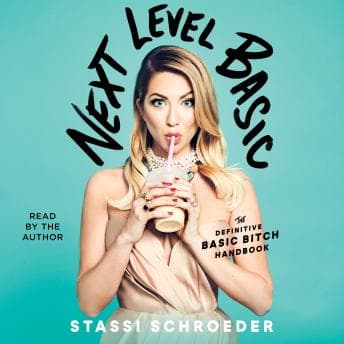
That line hit different at 2 AM, Diego curled on my lap while I was stress-eating leftover tamales after a client revision nightmare. Because here's the thing about Stassi Schroeder's second memoir: it's not the book I expected. It's not even the book I wanted. But something about listening to a woman narrate her own unraveling while I was sitting in my own little spiral—there was something weirdly comforting about it.
When the Basic Bitch Cracks Open
Let me be real with you. I have never watched a single episode of Vanderpump Rules. Not one. I picked this up because a designer friend texted me "listen to this if you've ever been publicly humiliated" and honestly? That's a hook that works on me. So I came in cold, no context about Stassi's reality TV persona, no loyalty, no grudge.
And what I got was... uneven. There are moments where Stassi drops the schtick—the bedazzled-sleeves, Aperol-spritz branding—and just talks about sitting in her closet crying after getting fired from everything. The part where she describes watching her carefully constructed life collapse while pregnant, the fear of bringing a baby into that chaos—my throat got tight. Not ugly-cry tight, but that specific ache of recognizing someone else's shame spiral. Because cancellation aside, the feeling of "I did this to myself and now I have to sit in it"? That's universal.
But then she'll pivot to a bit about styling baby outfits or ranking her favorite basic comforts, and the tonal whiplash gave me vertigo. It's like she's writing two books at once: one that genuinely grapples with accountability and one that's a lifestyle brand extension. And those two books keep interrupting each other.
Stassi Narrating Stassi—A Double-Edged Sword
Here's where being author-narrated actually works in this book's favor. When Stassi talks about her cancellation, you can hear the wobble. There's a moment—maybe around hour three—where she's describing scrolling through social media as people called for her head and her voice gets this tight, careful quality, like she's reading the words but reliving the feeling simultaneously. That's not acting. That's just a person who hasn't fully processed something yet reading it out loud.
But the flip side is that when the material is lighter—the wedding planning sections, the pregnancy humor—her delivery stays at one register. Pleasant, chatty, like a podcast you half-listen to. Not bad. Just... flat where it could sparkle. I kept wanting her to lean into the comedy harder or the vulnerability deeper, but she hovers in this safe middle zone for most of the seven hours.
(And listen, I'm spoiled by Julia Whelan. I know that. But even accounting for my impossibly high narrator standards, this was solidly fine. Just fine.)
The Abuela Test
I kept thinking about my abuela while listening to this, which surprised me. Not because she would've loved it—she would've raised one eyebrow at the language alone and muttered something about "estas gringas." But because the core of this book is about a woman whose public identity crumbled and who had to figure out who she was without the version of herself that everyone either loved or hated. And Abuela knew something about that. About reinvention after loss. About picking yourself up when the world decides you're one thing and you know—or hope—you're something else.
Stassi doesn't always stick the landing on that theme. There are stretches that feel more like "poor me" than genuine reckoning, and some of the self-reflection reads surface-level. She acknowledges her mistakes but keeps the specifics vague enough that you're left wondering if she's being honest or strategic. That ambiguity bothered me. If you're going to crack yourself open in a memoir, crack all the way open. Don't leave me guessing which parts are real and which parts are PR-approved. That full-crack-open quality is exactly what made Becoming Mrs. Lewis stay with me so much longer—Joy Davidman's reinvention felt genuinely excavated, not curated.
Who's Going to Love This (and Who Should Scroll Past)
If you're already a Stassi fan, this is going to feel like a long voice memo from a friend who's been through it—and you'll eat it up. If you're looking for a breezy, low-stakes listen for cleaning your apartment or a long drive, this works for that energy. It's digestible. It's light enough to dip in and out of.
But if you're coming in wanting a real deep-dive into cancel culture, accountability, or personal transformation? You'll leave hungry. The book gestures at those themes without fully committing to any of them.
My Heart Was Half In
I didn't cry. Not once. And for me, that says something. This book felt like a conversation with someone who's almost ready to be fully honest but isn't quite there yet. I wanted more mess. More rawness. More of that closet-crying Stassi and less of the brand-approved one. There's a braver book hiding inside this one, and I hope she writes it someday.