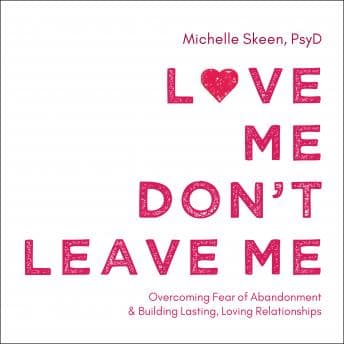

I have a confession. I started this audiobook because I was procrastinating on a research paper about attachment styles in literary protagonists. The irony of avoiding academic work on attachment by listening to a book about abandonment fear was not lost on me. My therapist would have thoughts.
Here's my complaint, though—and it's not really about the book, it's about the field. Why do we keep acting like abandonment fear is some rare clinical curiosity? Skeen opens by describing behaviors that probably apply to half the people I know: the jealousy spirals, the clinging, the push-pull dynamic where you test someone's love by threatening to leave. The protagonist of every Bollywood movie my mother made me watch. Every third character in crime fiction. This is a fascinating case study in how normalized dysfunction actually is.
Schema Therapy Finally Gets Its Due
What makes this book compelling is Skeen's integration of three therapeutic approaches—ACT, schema therapy, and DBT—without making it feel like a textbook Frankenstein. Schema therapy, for the uninitiated, is basically the idea that we develop deeply entrenched patterns (schemas) in childhood that become our autopilot responses in adulthood. Understanding how these patterns form and persist is exactly what makes Influence, New and Expanded so fascinating—Cialdini maps out the psychological shortcuts we develop and how they become automatic. The research shows these patterns are remarkably consistent across decades. Skeen walks through how abandonment schemas specifically manifest: the hypervigilance, the emotional blackmail, the way you can simultaneously crave closeness and sabotage it.
At 5 hours and 31 minutes, this isn't a casual listen. I found myself pausing during my morning jog through Cambridge—which, let me tell you, is not ideal when you're trying to maintain pace—because certain exercises required actual reflection. Skeen's writing is concise and wonderfully clear, but the content demands engagement. This isn't background noise material.
Karyn O'Bryant Nails the Therapeutic Tone
Here's the thing about narrating self-help: you need to sound like a competent professional, not a motivational poster. O'Bryant delivers therapeutic content with measured clarity that makes you actually absorb information rather than zone out. No dramatic inflections where they don't belong. No condescending "you can do it!" energy. Just clean, effective delivery that respects both the material and the listener's intelligence.
Psychologically, this tracks with what we know about learning—when the delivery matches the content's tone, retention improves. O'Bryant understood the assignment.
The Exercises Are Where This Lives or Dies
I found myself asking: why does this book work when so many self-help audiobooks feel like fluff? The answer is the exercises. Skeen doesn't just explain abandonment fear—she gives you structured opportunities to examine your own patterns. The sections on identifying your specific schema coping behaviors are genuinely useful diagnostic tools. I recognized at least three patterns I'd seen in research subjects. (Fine. And maybe one or two in myself. We're all works in progress.)
The challenge with audiobook format for exercise-heavy content is obvious: you can't write in the margins. I'd recommend having a notebook handy, or at minimum, being prepared to pause and reflect. This isn't a criticism of the audiobook—it's just the nature of therapeutic material. You get out what you put in.
Who Should Press Play (And Who Should Keep Scrolling)
This is for you if: you recognize the push-pull pattern in your relationships, you've been told you're "too much" or "too needy," or you genuinely want to understand why you do the things you do in intimate relationships. Also if you're a psychology nerd who appreciates seeing ACT, schema therapy, and DBT work together without academic jargon overload.
Skip this if: you want quick fixes, you're not ready for honest self-examination, or you need heavy production value to stay engaged. This is straightforward therapeutic content, not entertainment.
Closing the Case File
Skeen understands human nature in a way that feels earned rather than theoretical. Her clinical experience shows—she anticipates the objections, the resistance, the "but my situation is different" deflections that anyone with abandonment fear will immediately generate. She's seen this pattern before. Many times.
I finished the last chapter while making dal for one (don't feel sorry for me, I prefer it), and found myself thinking about how many of my research subjects exhibit exactly the behaviors Skeen describes. The jealous lover in crime fiction. The clingy best friend in literary drama. The protagonist who destroys every good thing because they're waiting for the other shoe to drop.
We write these characters because we know these people. Because we are these people, sometimes. Skeen's contribution is giving us the language and framework to actually do something about it.