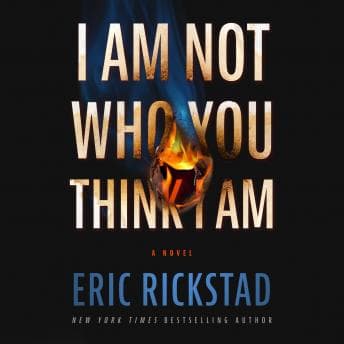

Okay, so here's the thing about listening to a psychological thriller during nap time: you really need that kid to stay asleep. Sophie decided to take a solid two-hour nap on a Tuesday (miracle), and I burned through the first third of this book just sitting on the couch, completely frozen, afraid to move and wake her up. That's the kind of grip Eric Rickstad has on you from the jump.
The setup is brutal in the best way. Eight-year-old Wayland watches his father die by suicide, finds a cryptic note that says "I am not who you think I am," and then... nothing. His mom won't talk about it. The town seems to have its own secrets. And Wayland just carries this weight for eight years until he starts digging. As a mom, the idea of a kid holding onto something that heavy made my chest tight. But also—and I know this sounds weird—it's exactly the kind of dark, twisty story I need when I'm drowning in Bluey episodes and goldfish cracker negotiations.
The 1980s Small-Town Vibe Hit Different
Rickstad sets this in the 1980s, which I wasn't expecting but totally worked. There's something about the pre-internet, pre-cell phone era that makes mysteries feel heavier. Wayland can't just Google his family history. He has to actually dig through old books, talk to people who don't want to talk, and piece things together the hard way. It gave the whole thing this gothic, almost claustrophobic feeling—like the town itself was keeping secrets.
Some listeners apparently found the teenage dialogue unrealistic for the era, but honestly? I was born in the 80s and I don't remember what we sounded like. I was too busy watching The Goonies. The dialogue felt fine to me. Maybe a little polished, but nothing that pulled me out of the story.
Steven Weber Nailed the Teenage Angst
Let's talk about Steven Weber, because he's doing a lot of heavy lifting here. He pulled off the same thing brilliantly in It, nailing those kid voices without making them cartoonish. Playing a teenage boy convincingly when you're a grown man is not easy. (I've heard some narrators try and it's... yikes.) But Weber gets it. The frustration, the obsession, the way teenagers can be both incredibly smart and incredibly stupid at the same time—he captures all of it.
The pacing of his narration matched the book perfectly. Rickstad writes these slow-burn revelations where you're constantly picking up breadcrumbs, and Weber doesn't rush through them. He lets the tension build. I found myself pausing at red lights (safely, in the school pickup line, don't @ me) just to process what I'd just heard.
One thing I really appreciated: Weber keeps the emotional moments grounded. This book deals with suicide, grief, and some genuinely disturbing family secrets. It could easily tip into melodrama, but his delivery stays controlled. When the gut-punch moments hit, they hit because he's not overselling them.
Where It Gets Complicated
I'm not gonna pretend this is a perfect book. The last third gets... a lot. There are layers upon layers of secrets, and at some point I was like, "Okay, how many more twists can one small Vermont town have?" It's not that any individual twist felt unearned, but by the end, I was a little exhausted. The shocker finale that the New York Times mentioned? Yeah, it's a shocker. But I also needed a minute to process whether it all tracked.
Also—and this is important—there's some dark content here. Violence, suicide (obviously), and some animal abuse that I was NOT prepared for. I listen to a lot of thrillers, so I can handle most things, but if you're sensitive to any of those topics, maybe read a content warning list first. Where the Crawdads Sing has some dark moments too, but nothing quite this intense. This isn't a cozy mystery.
Who's This For (And Who Should Skip)
If you love slow-burn psychological thrillers with family secrets and don't mind dark content, this one's for you. Skip it if you need lighter fare or are sensitive to suicide, violence, or animal abuse—this book doesn't pull punches.
Back to the Chicken Nuggets
Probably won't listen again, but that's not a criticism. This is the kind of book that works because of the reveals. Once you know the secrets, the magic is kind of gone. But as a first-time listen? Totally worth it. I finished it in about a week (car time, nap time, one late night after everyone was asleep), and it kept me hooked the whole way through.
If you're a mom who needs something to make the carpool line feel less soul-crushing, this is a solid pick. It's dark, it's twisty, and Steven Weber makes it feel personal. Just maybe don't listen to the heavy parts right before you have to go inside and be a functional parent. I made that mistake once and had to pretend I was fine while making dinosaur-shaped chicken nuggets.
Not groundbreaking, but sometimes you don't need groundbreaking. Sometimes you just need a really good thriller that survives 47 pauses and still makes sense when you come back.