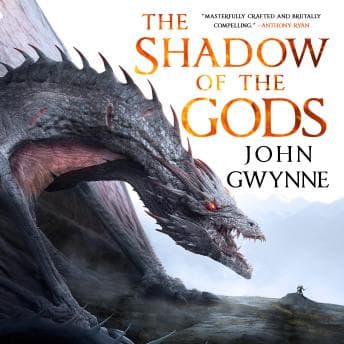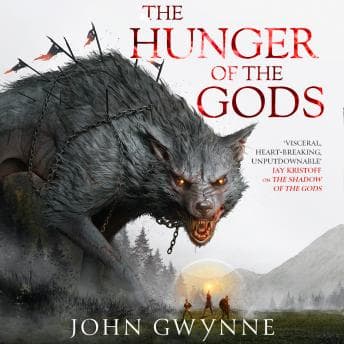

I was down in the basement archives of the library—the part where the Wi-Fi goes to die and the air smells like 1970s carpet—when I hit the halfway point of Hunger of the Gods. Just me, a stack of misfiled biographies, and Colin Mace's voice in my ear. The setting was perfect. Because this audiobook feels like being trapped in a cold, dark room while someone very serious tells you how the world ends.
The Colin Mace Problem (Or Is It?)
Let's talk about the elephant in the longship. I've seen the chatter online. A lot of listeners are frustrated because Mace doesn't "act" the shouting matches. And look, they have a point. There are scenes here where characters are supposedly screaming in blood-rage, veins popping, axes swinging, and Mace reads it with the same energy as someone reading a grocery list. A very intense grocery list, sure, but still. If you need your narrator to scream when the text says "screamed," you're going to bounce off this hard.
But—and this is a big but—I actually think it works for Gwynne's writing. Hear me out. This isn't high fantasy adventure; it's a grim, muddy, freezing slog through a Norse apocalypse. Mace sounds like a weary skald who has seen too much death to get excited about it anymore. His voice has this granite texture that fits characters like Glornir and Thorkell perfectly. When he does those deep, gravelly voices, you feel the weight of the armor. It's heavy. It's oppressive. It's dread, not drama.
That same granite quality is exactly what makes Mace work so well in Nurse: Inside Denmark's Most Sensational Criminal Trial—a completely different world from Norse mythology, but that flat, relentless delivery turns real-life horror into something almost unbearable to hear.Twenty Hours of Tightening Screws
The story itself? Slow burn. Shirley (my cat) usually naps through my editing sessions, but even she seemed to sense the tension ramping up. Gwynne does this thing where he tightens the screws so slowly you don't realize you're holding your breath until hour twenty. The hunt for the wolf god Ulfrir isn't a sprint; it's a desperate, exhausting marathon. And while Mace might drone a bit during the travel scenes—I definitely bumped the speed to 1.25x to keep my brain from wandering—he nails the atmosphere of impending doom.
Who's This For?
If you want theatrical voice acting and battle cries that shake your earbuds, skip this one. But if you're after a grim Norse apocalypse delivered like ancient history written in blood? Die Last gave me something closer to the theatrical end of the Mace spectrum, and it's worth knowing both versions of him exist. Mace's granite baritone will serve you well. Just maybe don't listen while driving late at night, or that steady voice might lull you into a ditch.