
What happens when the guy who terrified you with Pennywise decides to break your heart instead?
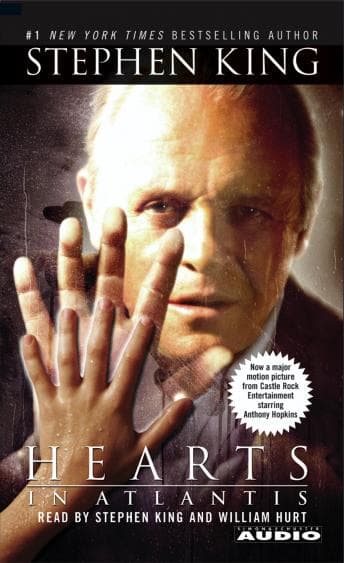
I was not prepared. Driving home from a particularly brutal night shift - we'd had a code that went sideways, and I was running on caffeine and adrenaline - when William Hurt's voice started telling me about Bobby Garfield and the Low Men in Yellow Coats. Twenty hours later (spread over two weeks of commutes and one very long Saturday where I told Carlos I was "doing laundry" while actually crying in the garage), I'm still processing this one.
The Voice That Got Under My Skin
Look, I've listened to a lot of Stephen King. The man knows how to scare you. But this? This isn't horror. Not really. It's something worse - it's memory. It's regret. It's that particular ache of looking back at who you were and wondering how you became who you are. That same ache of looking backward runs through Adventures of Huckleberry Finn, though Twain's nostalgia has a different flavor to it.
William Hurt narrates the first section, "Low Men in Yellow Coats," and honestly, he's doing something I've never heard before. His Bobby Garfield sounds like a kid but also like an old man remembering being a kid. There's this quality to it - quirky is the right word, I guess - where you can hear the loss already embedded in the innocence. Some people apparently hate his style. I get it. It's slow. It's moody. It's not what you expect from King.
But here's the thing: as someone who's actually worked with dying patients, who's held hands during those last moments, I recognized something in Hurt's delivery. He sounds like someone telling you a story they've been carrying for decades. The weight is there.
Stephen King takes over for the later sections, and the shift works. His voice is different - more direct, more "guy at the bar telling you what really happened." The college kids playing Hearts until they flunk out, the Vietnam vets trying to fill holes that can't be filled. King reads his own work like he's confessing something.
The Trauma Stuff? King Gets It Right
Okay, not medical exactly, but the trauma stuff? The way King writes about what war does to people, what childhood damage does to people, how those wounds don't heal right and leave you walking crooked for the rest of your life? That's accurate. I see it every night in the ER. The guy who won't let you touch his left side because of something that happened forty years ago. The woman who can't hear helicopters without going somewhere else in her head.
King gets that. These five stories aren't really about the supernatural (though there's some of that in the first one). They're about how the sixties broke a generation and how that generation passed those breaks down to their kids.
The musical interludes between chapters threw me at first. Sixties songs, snippets of the era. But at 4 AM, driving through empty Phoenix streets after watching someone's family get the worst news of their lives, those little musical moments felt right. Like the book was taking a breath. Like I was allowed to take one too.
Twenty Hours of Slow Burn
I'm not gonna lie - this is a slow listen. Twenty hours, and King and Hurt take their time. If you're looking for It-style scares or The Stand-style epic plotting, you'll be frustrated. This is quieter. More literary. The kind of book where a card game becomes a metaphor for everything wrong with America, and somehow it works.
Carlos asked why I was crying in the car. I blamed allergies. But really it was the ending of "Low Men in Yellow Coats," where Bobby learns that the adults who should protect you sometimes can't. Sometimes won't. That hit different after the shift I'd just had.
The interconnected structure is beautiful - you meet people as kids, then as college students, then as damaged adults, and finally as people trying to find their way back to something they lost. It's not a novel exactly, but it's not a short story collection either. It's something in between. Something that feels true.
Who This Is For (And Who Should Skip)
This is for night shift workers who need something substantial. For people who lived through the sixties or love someone who did. For King fans who want to see what he can do when he's not trying to scare you - when he's trying to make you feel something more complicated than fear. Skip it if you need fast pacing, if William Hurt's particular style (theatrical, slow, almost dreamlike) makes you crazy, or if you want horror. This isn't that.
My mom would love this. She came to the US in the seventies, just after all this was happening, and she's always trying to understand what America was before she got here. I might actually recommend it to her. (She still thinks I should've been a doctor, but maybe this'll give us something to talk about.)
Clocking Out
Night shift approved. Bring tissues.