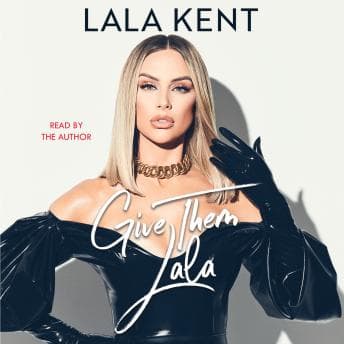

Look, I'm going to be honest with you. I'm a 52-year-old high school English teacher who spends his days trying to convince teenagers that Fitzgerald still matters. Vanderpump Rules is not exactly my wheelhouse. But Denise watches it, and she's been nudging me toward this audiobook for months, and I finally caved during a particularly soul-crushing stack of sophomore essays on The Great Gatsby.
So there I was, red pen in hand, listening to Lala Kent talk about her journey from Utah to Hollywood while simultaneously marking up another student's claim that Gatsby was "just a simp." (He wasn't wrong, but still.) And here's the thing - I didn't hate it. I actually found myself pausing the grading to just... listen.
When Lauren Meets Lala
What struck me most about this memoir is the duality Kent explores between her "Lauren" self and her "Lala" persona. It's not exactly Fitzgerald's double consciousness or the masks we see in Ellison, but there's something genuinely interesting happening here. Narrative of the Life of Frederick Douglass explores a similar tension between performed identity and authentic self, though obviously in a radically different context. She's wrestling with authenticity in a world that rewards performance - and as someone who watches teenagers construct elaborate social media personas while claiming to be "real," I found that tension compelling.
Kent narrates her own book, which is always a gamble with celebrity memoirs. Sometimes you get Michelle Obama absolutely crushing it. Sometimes you get... well, let's just say I've suffered through some painful author reads. Kent falls somewhere in the middle. Her delivery is candid and lively - you believe she's telling you the truth, which counts for a lot. But there are moments where she sounds slightly detached, like she's reading about someone else's life rather than reliving her own. The emotional beats around her sobriety journey land with real weight, though. Those sections feel genuinely intimate.
The Sobriety Chapters Hit Different
I wasn't expecting to be moved by a reality TV star's addiction story, but here we are. (Don't tell my AP Lit students I said that.) Kent's honesty about alcoholism and her path to sobriety reminded me of some of the better addiction memoirs I've encountered - not quite Mary Karr territory, but earnest in a way that matters. She doesn't dress it up or make it pretty. She just tells you what happened.
The essays about sex and relationships are bold, I'll give her that. Kent has this unapologetic approach that my students would probably call "iconic" and I would call... refreshingly direct. She's not asking permission to have opinions about her own life. There's something almost Didion-esque about that confidence - though Joan would never forgive me for the comparison, and frankly, the prose doesn't quite rise to that level.
Because here's my main criticism: the writing stays surface-level more often than I'd like. Kent tells us what happened, but the reflection doesn't always dig deep enough. It's the difference between a diary entry and a memoir, if that makes sense. She's got great raw material - the Hollywood journey, the sobriety, the complicated relationships - but some of these essays feel like first drafts that could've used another pass. More showing, less telling. (God, I sound like I'm grading papers again.)
Worth Pausing the Faculty Meeting For?
At just under six hours, this is a quick listen. I knocked it out over three grading sessions and one long walk with Denise along the lakefront. The production is clean, no technical issues, and Kent's voice is pleasant enough that I never found myself reaching for the pause button in frustration.
Who Should Listen (And Who Should Skip)
Would I recommend this to my usual crowd of literary fiction devotees? Probably not. This isn't Middlemarch. But that's not what it's trying to be. If you're a Vanderpump Rules fan - and apparently millions of people are - this is essentially a backstage pass to Lala Kent's brain. If you're interested in celebrity memoirs that don't take themselves too seriously, or if you want an honest account of getting sober in your twenties, there's real value here. Skip it if you need polished prose and deep introspection from your memoirs - Kent's got the raw honesty but not always the literary follow-through.
My students would probably love this. I didn't hate it. Coming from me, that's practically a rave review.
Denise was right. Again. I'm never going to hear the end of this.