
The Psychological Pitch
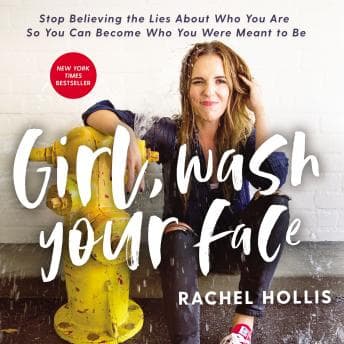
I was halfway through my morning jog along the Charles River when Rachel Hollis told me that I was believing lies about myself. Look, as someone who studies why people do what they do for a living, my first instinct was to bristle. Self-help books and I have a complicated relationship—professionally, I find them fascinating case studies in how we package hope. Rich Dad Poor Dad is one of those recyclers—same motivational framework, different financial wrapper. Personally? I've read enough to know that most of them are recycling the same five ideas with different fonts.
But here's the thing. I kept listening. Through the rest of my run, through cooking dinner that night (paneer tikka masala, if you're curious), and into the next morning's commute. Not because Hollis was telling me anything groundbreaking from a psychological standpoint. She wasn't. But because there's something almost hypnotic about hearing someone narrate their own mess.
When the Author Is the Voice
Rachel Hollis narrating her own book is both the greatest strength and the most glaring weakness of this audiobook. And I mean that.
On the strength side: she's telling stories about her own childhood trauma, her struggles with body image, her marriage, her ambition. When she talks about wetting the bed as a teenager or watching her brother die—there's a rawness in her voice that a hired narrator simply couldn't replicate. The research actually shows that autobiographical narratives delivered by the author activate different empathy responses in listeners. We're wired to respond to authentic emotional disclosure. Hollis delivers that in spades.
But—and this is a significant but—her tone occasionally veers into what I can only describe as motivational speaker at a corporate retreat energy. You know the one. The slightly too-bright inflection. The "you've GOT this, girl!" delivery that made me physically wince during a few chapters. My therapist would have thoughts about why that particular register triggers my flight response. (Probably something about performative positivity masking deeper anxieties, but that's a different paper.)
The pacing is solid. Seven hours feels about right for this kind of content—enough to dig in, not so long that you're drowning in repetition. She varies her delivery between confessional whispers and punchy declarations, which keeps the listen from becoming monotonous. Audio production is clean. No complaints there.
The Psychology Problem
Okay, so here's where I have to put on my behavioral psychologist hat for a second. (Don't worry, I'll take it off again.)
Hollis structures the book around "twenty lies" we tell ourselves—things like "I'm not good enough" or "I should be further along by now." From a cognitive behavioral perspective, this is a legitimate framework. Identifying distorted thought patterns is step one in most evidence-based interventions. So far, so good.
The issue is in the solutions. Hollis's answer to almost everything is essentially: decide to be different. Work harder. Choose joy. Hustle more. And while personal agency is real and important, this approach completely ignores the systemic factors, the neurobiological realities, the socioeconomic constraints that shape people's lives. The protagonist of her narrative—herself—exhibits classic survivorship bias. She made it, therefore anyone can make it if they just want it enough.
Psychologically, this doesn't track for everyone. Hollis doubles down on this exact philosophy in Girl, Stop Apologizing, which somehow manages to be even more relentless about the hustle narrative. And I found myself asking: who is this book actually for? Because if you're someone dealing with clinical depression, trauma responses, or genuine resource scarcity, being told to "stop making excuses" isn't just unhelpful. It's potentially harmful.
That said. I'm not the target audience. And I know that.
Who Should Listen (And Who Should Skip)
If you're a woman in your thirties or forties who's generally functional but feeling stuck—if you've got the basics handled but need a kick in the pants to pursue that side project, set better boundaries, or stop apologizing for existing—this book might genuinely help. Hollis is relatable in a very specific way. She's messy but successful. Flawed but thriving. That combination is aspirational for a lot of people.
Skip it if you're dealing with clinical mental health issues, genuine resource constraints, or if performative positivity makes you want to scream into a pillow. This isn't the book for you, and that's okay.
The audiobook format actually enhances this. It's like having a very intense friend talk at you during your commute. Sometimes you need that friend. Sometimes you want to throw your phone out the window. Both responses are valid.
I'd recommend listening at 1.25x speed—her natural pacing is slightly slow for my taste, and speeding it up cuts some of the more preachy moments down to size.
Final Analysis
This is a fascinating case study in how we consume self-improvement content. Hollis is a skilled storyteller with genuine emotional intelligence and absolutely zero interest in nuance or structural critique. If you can accept that trade-off, the audiobook delivers exactly what it promises: seven hours of someone believing in you very loudly.
Is it a replacement for actual therapy? God, no. Is it harmful? For most listeners, probably not. Is it the right book at the right time for certain people? Absolutely.
I didn't love it. But I finished it. And I'm still thinking about why it works for so many people, which is more than I can say for most books in this genre.
(My mother would love this book. I'm not going to tell her about it.)