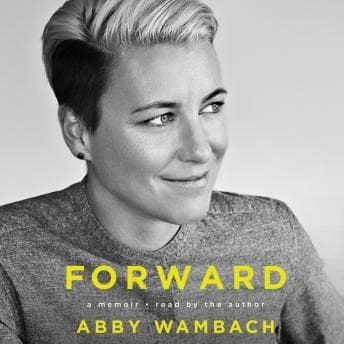

Three AM. The unit was quiet - too quiet, the kind of quiet that makes you knock on every wooden surface within reach. I was caught up on charting for once, which never happens, so I popped in my earbuds and started this one. Five hours later, I'd finished my shift, driven home, and sat in my driveway for an extra twenty minutes because Abby Wambach was telling me about her DUI arrest and I couldn't turn it off.
Carlos found me crying in the car. I blamed allergies. He didn't buy it.
When Athletes Actually Tell the Truth
Here's what I expected: another sports memoir where the hero overcomes adversity, wins championships, and wraps everything up with a motivational bow. What I got was Abby Wambach admitting she was an alcoholic who got arrested for drunk driving after her career ended, talking about how she didn't know who she was without soccer, and being genuinely uncomfortable to listen to in the best possible way.
The comparison to Andre Agassi's Open? Earned. Both books share that quality of making you squirm because the person is being too honest. Little Fires Everywhere does that same thing - makes you sit with uncomfortable truths about people who aren't all good or all bad. Abby doesn't sanitize her worst moments. She doesn't give you the "I learned so much from my mistakes" speech without first making you sit in the wreckage with her.
Now - and this is where I get why some people bounced off this book - that honesty can read as ego. There's a fine line between "I'm being vulnerable about my flaws" and "I'm telling you about my flaws in a way that still centers me as the protagonist of every story." Some listeners heard the second thing. I heard the first, but I can see how you'd land on the other side.
She Narrates Like She Played
Abby reading her own words is - okay, imagine someone who's spent their entire life being physically aggressive on a soccer field trying to be emotionally aggressive on an audiobook. It works. Her voice cracks when she talks about her marriage falling apart. She gets quiet when she describes realizing she had a drinking problem. There's no polish here, no professional narrator smoothing out the rough edges.
As someone who's actually worked a code, I know what real emotion sounds like versus performed emotion. This is real. When she talks about the shame of her arrest, you can hear it sitting in her throat. When she talks about winning the World Cup, the joy is there but it's complicated - already tinged with the knowledge of what came after.
At just over five hours, it's a quick listen. Perfect for that post-shift decompression, honestly. I finished it in two sessions, both times during those weird liminal hours when night shift brain is half-awake and more receptive to someone else's confessions.
The Parts That Made Me Yell at My Dashboard
Not because she got anything wrong - no medical details to critique here - but because she's so frustratingly hard on herself in some places and so blind to herself in others. There's a moment where she's describing her drinking and you want to reach through the speakers and shake her. "You're describing addiction, Abby. This isn't a character flaw."
But that's the thing about memoirs written by people in early recovery. They're still figuring it out. They haven't had decades to process and package their story into something neat. Abby wrote this book while she was still in the middle of becoming whoever she's going to be next. That rawness is either the book's greatest strength or its biggest weakness, depending on what you want from a memoir.
I wanted rawness. I got it.
Who This Is (and Isn't) For
Listen if: You want an athlete memoir that doesn't pretend everything worked out perfectly. If you're interested in what happens to elite competitors when the competition ends. If you've ever struggled with addiction or loved someone who has. If you want to hear a woman be genuinely, uncomfortably honest about her failures.
Skip if: You're looking for pure inspiration. If you want a soccer book with lots of game details and play-by-play excitement. If confidence in women reads as arrogance to you - because Abby is confident, and some people can't handle that.
My mom would love this. She'd also spend the whole time saying "See? Even Olympians struggle. You should call your sister more." Filipino mom energy is universal, apparently.
Charting Complete
This one earned its spot in my post-shift rotation. Not because it's easy listening - it's not - but because there's something about hearing someone else's mess at 4 AM that makes your own life feel more manageable. Abby Wambach isn't trying to be your hero here. She's trying to figure out who she is when she's not the greatest goal scorer in international soccer history.
That's a question worth five hours of your time.