
The Thesis Can Wait (Again)
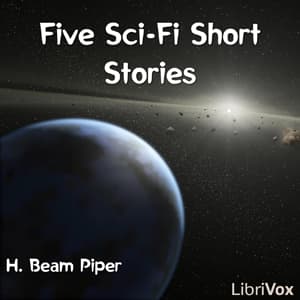
Look, I was supposed to be debugging my procedural dungeon generator. That was the plan. But then I saw "H. Beam Piper" and "Mark Nelson" in the same listing and suddenly it's two hours later and I'm deep into mid-century sci-fi instead of fixing my spawn point algorithms. Dr. Patel would be so proud. (She would not be proud.)
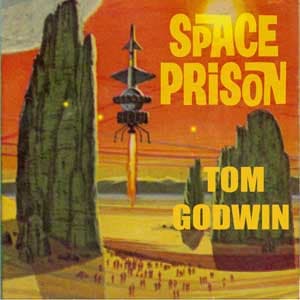
Here's the thing about Piper - the guy was writing in the 50s and 60s, and yeah, you can feel that. This isn't Sanderson-level world-building with intricate magic systems and appendices. It's that classic Golden Age vibe where the ideas hit fast and the prose doesn't mess around. Simple narrative style, but the concepts? Still pretty wild. That same stripped-down, idea-first approach is what makes Space Prison work so well—and honestly, Mark Nelson's narration there proves he's equally skilled at handling that vintage sci-fi energy. We're talking nuclear war themes, weird religious undertones, the kind of speculative stuff that was edgy back when Eisenhower was president. Some of it feels dated. Some of it feels weirdly prescient. That's the gamble with vintage sci-fi.
Mark Nelson Gets It
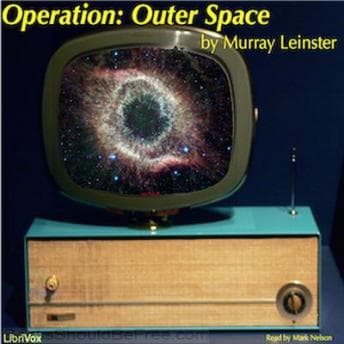
Okay so Mark Nelson. I didn't know much about him going in, but man, he's good at this. Clear voice, warm delivery, and - this is the important part - he actually does distinct character voices. Not Steven Pacey level (nobody is Steven Pacey level, let's be real), but solid work. Each story has its own cast of characters and Nelson makes sure you can tell who's talking without the "he said, she said" crutch. That's surprisingly rare in short story collections where narrators sometimes phone it in because they're switching contexts every 45 minutes.
The pacing is spot-on too. These aren't action-heavy stories - they're idea stories, the kind where you need a beat to process what just happened. That restraint reminds me of what makes Shift so effective—it's got that same willingness to let uncomfortable ideas breathe instead of drowning them in exposition. Nelson gives you that space. He's not rushing through to hit some arbitrary words-per-minute target. The emotional delivery lands when it needs to, especially in the darker moments. (And there are some dark moments. Nuclear war will do that.)
One thing though - and this is a production issue, not a Nelson issue - there are these sound effects at the beginning and end of each story. Like, transition sounds? I don't know who thought that was a good idea. It's not awful, but it's definitely distracting. Pulled me out of the experience a couple times. My D&D group would roast me if I used sound effects that jarring during a session transition.
The Stories Themselves
Honestly? They're a mixed bag. And I think that's fine for a short story collection - you're not going to love every single one. Some of them have that classic sci-fi punch where the ending makes you go "oh, damn" and sit with it for a minute. Others feel more like exercises, interesting ideas that don't quite stick the landing.
The violence is there but not gratuitous. The religious themes are... present. Not heavy-handed, but noticeable if you're paying attention. It's that mid-century American sci-fi flavor where authors were processing Cold War anxieties through space opera and alien encounters. If you've read Asimov or early Heinlein, you know the vibe.
At just over five hours, this is basically a commute week for me. Short enough that individual story weaknesses don't drag, long enough that you get your money's worth. The progression is satisfying - you finish one, take a breath, and dive into the next. Good podcast-replacement energy.
Who's This Actually For?
If you're into vintage sci-fi and want to hear it done well, this is a solid pick. Piper's work is public domain now (dude died in '64), so there are multiple versions floating around. This one's worth it specifically for Nelson's narration - he elevates material that could feel dusty in lesser hands.
But look. If you need modern pacing and contemporary sensibilities, maybe skip this. The stories are products of their time. Some of that's charming, some of it's... less charming. You know what you're signing up for with Golden Age sci-fi.
Also if you're sensitive to audio distractions, those transition sound effects might bug you more than they bugged me. Fair warning.
The Verdict
I read this instead of writing my thesis. (Listened. Whatever.) Worth it? Yeah, pretty much. Not life-changing, but a pleasant five hours with a narrator who clearly cares about the material. The stories range from "that was cool" to "eh, okay" but Nelson's performance keeps everything listenable.
My mom asked what I did this weekend. I said "research." Technically true. Piper was influential in the genre. This counts as... something. Probably.
Grab this for your commute or your next coding session. Just maybe skip past those sound effects if they annoy you. And if you're a fellow classic sci-fi defender, Mark Nelson is doing the lord's work here. Steven Pacey walked so other narrators could run, and Nelson's definitely running.