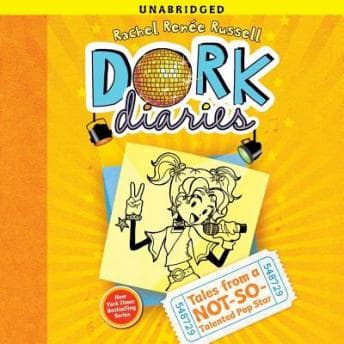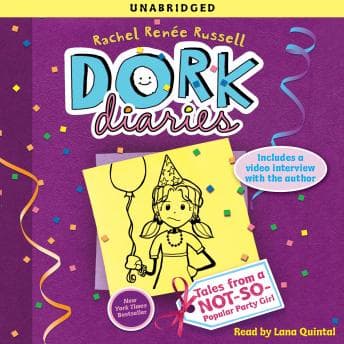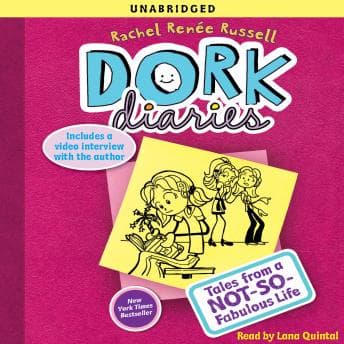

Okay, here's the thing. I'm a developmental psychologist who spends her days analyzing identity formation in adolescents, and someone hands me a middle-grade diary book about an eighth grader named Nikki Maxwell. I thought—fine, let's see what the kids are reading. Three hours later, I'm genuinely impressed by how accurately this book captures the psychological chaos of early adolescence.
Not what I expected during my Tuesday morning jog through Cambridge. Though honestly, I've had stranger reading experiences—like when I picked up Mindful Athlete: Secrets to Pure Performance expecting sports psychology and got a meditation manual that actually changed how I approach my research.
The Tween Brain, Decoded
Rachel Renée Russell gets something that a lot of adult authors miss when writing for this age group. The protagonist exhibits classic identity diffusion—she's desperately trying to figure out who she is while simultaneously terrified of being seen as different. The whole iPhone battle with her mom? That's not about the phone. It's about social currency and belonging. Nikki understands instinctively what takes my undergrads a whole semester to grasp: material objects become identity markers in peer hierarchies.
And MacKenzie as the antagonist? A textbook case study in relational aggression. The way she weaponizes social status, the subtle exclusions, the public humiliation tactics—this is exactly what the research shows about how girls navigate conflict in middle school. Russell doesn't moralize about it or make it cartoonishly evil. She just... presents it. As it is. Messy and painful and also somehow funny.
My therapist would have thoughts about MacKenzie's need for external validation, honestly.
Lana Quintal's Voice: Polarizing for a Reason
Here's where I have to be honest. Lana Quintal's narration is polarizing, and I get why. Her voice is high-pitched, energetic, and very much committed to the bit. She sounds like an actual tween who's had three juice boxes and just discovered her diary was read by her little sister. Some listeners find this squeaky and annoying—one review I saw literally said "she makes my ears bleed."
But. But. From a psychological perspective, this voice choice makes sense. Nikki is supposed to be dramatic. She's supposed to be over-the-top. That's developmentally appropriate for a thirteen-year-old experiencing everything at maximum emotional intensity. Quintal captures that breathless quality of tween narration where everything is THE WORST THING EVER or THE BEST DAY OF MY LIFE with nothing in between.
The character voices are solid. Brianna, the zany little sister, sounds appropriately chaotic. The pacing keeps things moving—I never zoned out, which is saying something for a book clearly not written for my demographic. The emotional delivery hits the right notes during the art competition drama and the moments of genuine vulnerability.
Would I want to listen to this for eight hours straight? Probably not. But at three hours, it's the perfect length. Light, breezy, done before the voice gets grating.
Why Nikki Maxwell Actually Works
Nikki is relatable because she's deeply imperfect. She's jealous, petty, insecure, and makes questionable decisions. She judges people. She cares way too much about what others think. And Russell doesn't punish her for any of this—she just lets her be a normal kid figuring things out.
This is actually rare in children's literature. So many books for this age group feature protagonists who are secretly noble or wise beyond their years. Nikki is neither. She's just... trying. The friendship formation with Chloe and Zoey follows realistic patterns—initial awkwardness, shared experiences creating bonds, the relief of finding your people.
The crush on Brandon is handled with appropriate lightness. No intensity, no drama beyond what a tween would actually experience. Just butterflies and overthinking and wondering if he noticed you. Sweet.
Skip It or Stream It?
Look, this is a kids' book. If you're an adult without children in the 8-13 range, this probably isn't for you. (Unless you're me, apparently, listening for "research purposes." Don't tell my students I said that.) Skip if you're sensitive to high-pitched, energetic narration—sample first.
But for its intended audience? Pretty much perfect. It validates the emotional intensity of middle school without dismissing it. It shows that awkwardness is universal. And it does it with humor that doesn't talk down to kids.
Parents considering this for car rides: it's clean, it's funny, and the production quality is solid. No weird audio issues.
The Psychologist's Final Note
I found myself asking: why does this series have 30 million copies in print? After listening, I get it. It's comfort food for the tween soul. Not literature with a capital L, but something arguably more important—a book that tells young readers "your feelings are valid, your struggles are real, and also you're going to be okay."
Psychologically, that's exactly what adolescents need to hear.