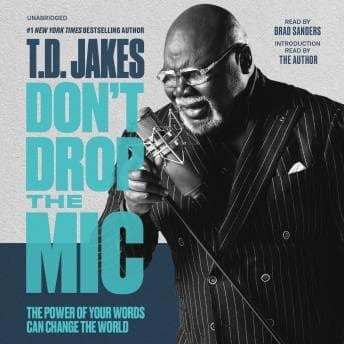

I was on a red-eye back from a client site in Phoenix—one of those brutal consulting trips where you're billing 14 hours a day and sleeping maybe four—when I started this one. Figured a book about communication from a megachurch pastor would either put me to sleep or actually teach me something. It did both, honestly. But not in the way you'd expect.
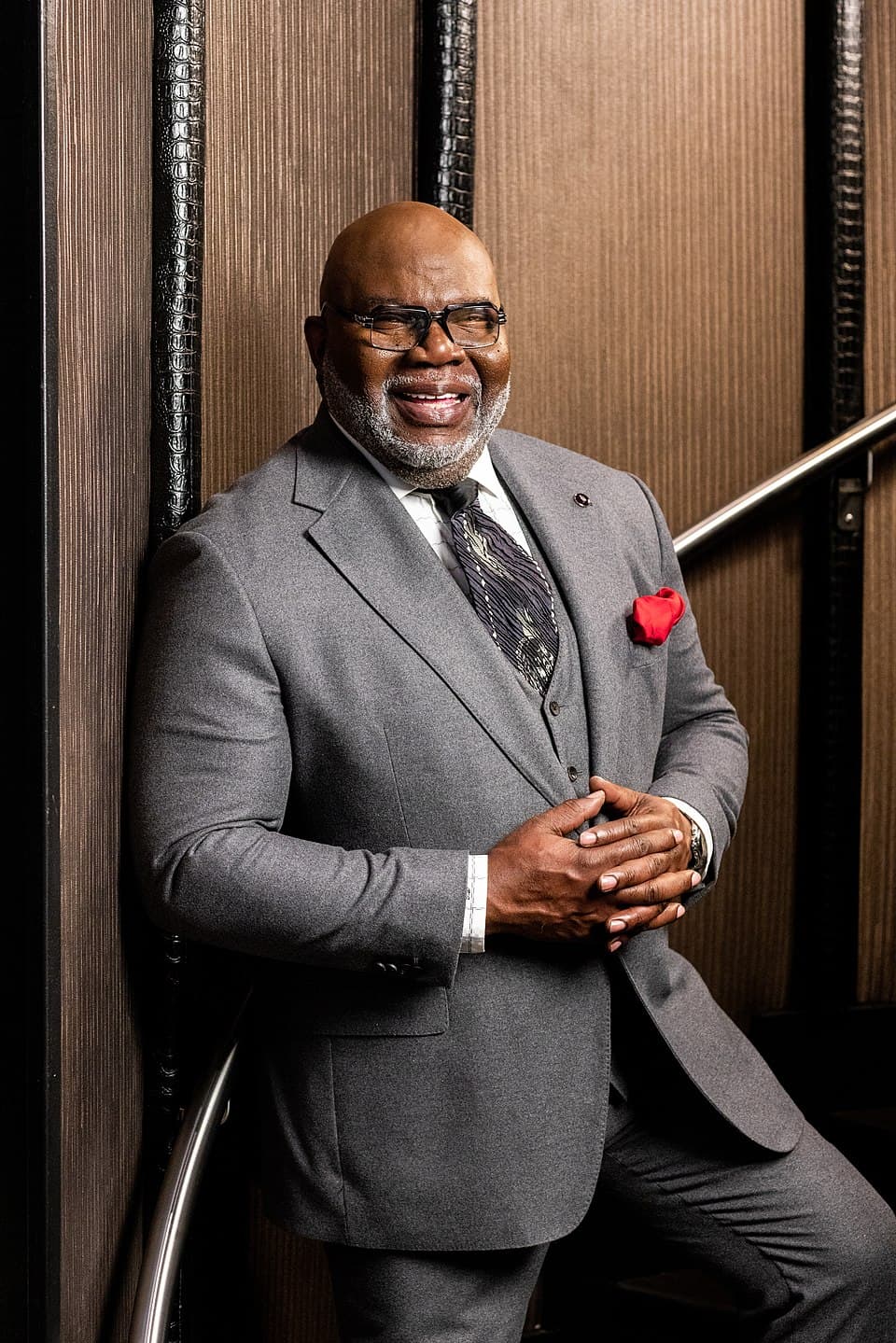
Here's the bottom line: T.D. Jakes knows how to command a room. The man has been doing it for decades. And unlike most communication books that give you the same recycled Carnegie advice, this one actually gets into the *craft* of it. The architecture of a message. The difference between speaking *at* people and speaking *into* them. That distinction alone is worth the price of admission.
When a Preacher Teaches You About Pitch Decks
What surprised me most was how applicable this is outside the pulpit. I've sat through probably 500 executive presentations in my career. Maybe 20 of them were memorable. Jakes breaks down why—it's not about polish, it's about *intentionality*. He talks about knowing your audience so well that you're not just delivering information, you're meeting them where they are. This is what my parents did instinctively. Now it has a TED talk.
The book splits between career advice for aspiring speakers and universal principles for anyone who has to communicate. If you're in the former camp, Jakes doesn't sugarcoat the hustle required. If you're in the latter—and let's be honest, that's most of us—there's solid material on crafting emails, presentations, even difficult conversations. The section on building connection before making your ask? I've seen that fail at three different companies. Jakes explains exactly why.
Brad Sanders Does the Heavy Lifting
Here's where it gets interesting. T.D. Jakes narrates portions of this himself, and when he does, you understand immediately why the man fills stadiums. His cadence, his emotional delivery—it's a live demonstration of the very thing he's teaching. But Brad Sanders handles the bulk of the narration, and he's... competent. Solid. Not distracting, which in audiobook terms is actually a compliment. The contrast between Sanders' measured delivery and Jakes' pulpit energy creates this interesting dynamic. You get the instruction manual from Sanders, then Jakes jumps in to demonstrate. It works better than it should.
At 10 and a half hours, this is longer than it needs to be. My 2.0x speed couldn't save some of the more repetitive sections. Jakes has a tendency to circle back to the same points with different examples—great for a sermon series, less great when you're trying to get through content on a layover. Skip to chapter 5. Thank me later. That's where the practical application really kicks in.
The Faith Element (And Whether It Matters)
Look, I'm not going to pretend this isn't a Christian book. It is. Jakes weaves Scripture throughout, and the ultimate purpose he's driving toward is sharing faith effectively. But here's the thing—if you swap out "sharing the Gospel" for "communicating your vision" or "building buy-in for your strategy," about 80% of the advice still holds. The principles are universal even if the application is specific.
That tension between specific practice and universal principle is something Mindful Athlete navigates in a completely different domain—performance under pressure is performance under pressure, whether you're on a field or behind a pulpit.My parents' church in Koreatown had a pastor who could barely speak English but commanded absolute attention every Sunday. Jakes would understand why. It wasn't about eloquence—it was about conviction, preparation, and knowing exactly who you're talking to. That's the core of this book, stripped of the religious packaging.
Who Gets the ROI (And Who Doesn't)
This is for people who speak for a living or want to. Pastors, obviously. But also trainers, consultants, executives who present to boards, salespeople who pitch. If your job involves standing in front of people and making them care about something, there's value here.
Skip it if you're allergic to faith-based content or if you want a quick tactical guide. This is more philosophy than playbook, more "why" than "how." Jenny would say I'm being harsh. Jenny is right. But she also doesn't have to sit through the executive presentations I do. If more people listened to this, maybe I wouldn't need to bill so many hours fixing their communication strategies after the fact.
Net-Net
Solid framework, inconsistent execution. The insights on audience analysis and message architecture are genuinely useful—stuff I wish more of my clients understood. The repetition and length hurt the overall value proposition. If Jakes had applied his own advice about respecting your audience's time, this could've been a tight 6 hours and earned a higher rating. As it stands: worth it for communicators who need the philosophical foundation, not worth it if you just want tips and tricks.