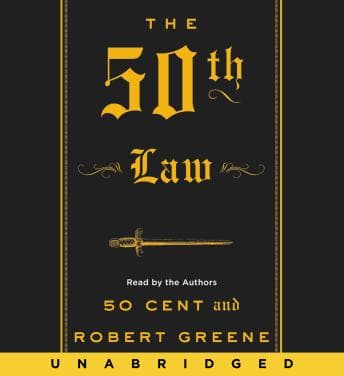

Three and a half hours. That's it. A business book - well, a relationship book - that says its piece and gets out. I nearly wept with gratitude.
I was reorganizing my home office at 10 PM on a Tuesday, half-listening because Jenny was already asleep and I needed something to fill the silence between filing old client decks. This wasn't on my usual reading list. A friend going through a rough patch asked me what I thought, so I grabbed the credit. And honestly? I'm glad he asked.
The Dry Cleaning Business Model Applied to Marriage
Here's what DSO is actually selling: personal accountability wrapped in locker room language. Strip away the vulgarity and the bedroom talk, and the core thesis is something my parents would recognize immediately - you don't get to coast. My dad didn't sit behind the counter at the dry cleaners complaining that customers stopped showing up. He adjusted. He improved the service. He stayed competitive. DSO is basically saying the same thing about husbands, just with a lot more f-bombs.
The framework is simple. You've let yourself go - physically, mentally, emotionally. You've become passive. You've outsourced your self-worth to your partner's validation. Fix yourself first, and the relationship dynamics shift. This is what my parents did instinctively. Now it has a TED talk. Or in this case, a profanity-laced audiobook narrated by a divorced dad from the internet.
And look, there's real insight here. The section on "covert contracts" - doing nice things with the unspoken expectation of sex in return - that's genuinely useful behavioral analysis. I've seen versions of this dynamic destroy business partnerships too. You do something you think earns you credit, the other party doesn't even know there's a ledger, and resentment builds until someone flips the table. DSO names it plainly and tells you to knock it off. Good advice.
Where the Consulting Brain Gets Itchy
My problem with this book is the same problem I have with most prescriptive frameworks: survivorship bias. DSO fixed his second marriage. Hundreds of guys on his website say it worked. Great. But the one-star reviewer who wrote "Did not fix the bedroom" - that guy matters too. There's no control group here. No acknowledgment that some relationships have deeper structural issues that "hit the gym and stop being needy" won't solve.
The book also leans heavily into a specific model of masculinity that - and Jenny would say I'm being harsh, Jenny is right - can veer into manipulative territory if you're not careful. There's a fine line between "become a better, more confident version of yourself" and "perform confidence as a strategy to get what you want." DSO doesn't always stay on the right side of that line. To his credit, he repeatedly says this isn't about tricks or manipulation. But some of the tactical advice reads that way if you're not already doing the self-improvement work honestly.
At 3 hours 35 minutes though, he doesn't have time to be nuanc— he doesn't have time to hedge. And maybe that's the point. This is a slap, not a therapy session. It's designed for guys who've read the therapy books and are still stuck.
DSO Behind the Mic
The author narrates his own book, and it works here in a way it often doesn't. His delivery is flat, direct, no vocal theatrics. It sounds like a buddy talking to you at a bar after his second beer - not performing, just telling you what he thinks. The production is clean enough. No weird audio artifacts, no background hiss. It's bare bones, which matches the content.
At 2.0x this thing flies by in under two hours. Honestly even at normal speed you'd finish it in a single focused session. The brevity is the book's best feature. Finally, a business book - relationship book, whatever - that respects your time.
Who Gets an ROI on This Credit
If you're a guy in a long-term relationship feeling stuck, frustrated, and you've been doing the "just be nicer" strategy for years with zero results - this will hit different. It's confrontational in a way that might crack through your narrative about whose fault it is.
If you're looking for couples counseling in audiobook form, skip it. This is a men's self-improvement book wearing relationship advice clothing. If you're a woman curious about what your husband's been reading, know that the language is intentionally abrasive and the perspective is aggressively male. You might hate it. You might also recognize some truths in it.
If you've already done the inner work and you're in a genuinely incompatible situation, this book will frustrate you. It assumes you haven't tried hard enough. Sometimes you have. The same assumption-that-you-haven't-optimized-hard-enough energy shows up in First 90 Days, which at least has the decency to acknowledge that sometimes the environment itself is broken, not just the person walking into it.
The Bottom Line, After Tax
Bottom line: at 3.5 hours, the risk is low and the core message - fix yourself before you try to fix your relationship - is sound, even if the delivery would make HR lose their minds. The key takeaway is worth the listen. And for once, there's no padding to skip through. I just wish DSO spent ten more minutes acknowledging that sometimes the problem isn't you. Sometimes it's the partnership. And no amount of deadlifts changes that.