
I was grading a stack of junior essays on The Great Gatsby at 11:30 PM - you know, the ones where every student discovers symbolism for the first time and writes like they've unlocked the secrets of the universe - when I decided I needed something completely different in my ears. Something that wasn't teenagers explaining that the green light represents hope. (Yes, Tyler, we know. We all know.)
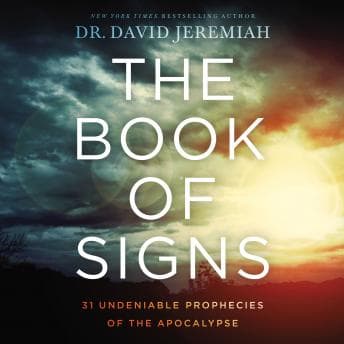
So I started The Book of Signs. And look, I'll be honest with you: eschatology isn't my usual territory. I'm more comfortable with Faulkner's stream of consciousness than Daniel's prophetic visions. But sixteen hours later, spread across lakefront walks with Denise and those late-night grading sessions, I found myself genuinely engaged with material I'd always found intimidating.
When the Teacher Becomes the Student
Here's what struck me first: Dr. Jeremiah teaches the way I aspire to teach. He takes genuinely complex material - the kind of apocalyptic imagery that's confused readers for two millennia - and breaks it down without dumbing it down. There's a difference. Dumbing down is condescending. What Jeremiah does is clarifying. He respects his audience enough to assume they can handle the material if he presents it properly.
The structure helps enormously. Thirty-one signs, organized into categories: international, cultural, heavenly, tribulation, end. It's the kind of framework that makes a sixteen-hour listen feel manageable. You're never lost. You always know where you are in the larger argument. My students could learn something from this organizational clarity. (I could learn something from it, frankly.)
What I appreciated most was how Jeremiah connects ancient texts to contemporary events without becoming sensationalist about it. He's not screaming that the end is nigh. He's making careful, scholarly connections while maintaining what I can only describe as pastoral warmth. It's the voice of someone who's spent decades with this material and genuinely wants you to understand it.
The Voice in the Wilderness (And in My Kitchen)
Dr. Jeremiah narrating his own work is exactly right for this kind of book. There's an authenticity you can't fake. When he reads a passage about God's promises for the future, you hear someone who believes it in his bones. That conviction comes through the audio in ways a hired narrator couldn't replicate.
His delivery is clear and measured - not dramatic, not theatrical. If you're expecting the kind of performance you'd get from a fiction narrator, this isn't that. But that's not what this book needs. What it needs is a guide, and Jeremiah is exactly that. His pacing gives you time to absorb difficult concepts. He emphasizes the right phrases. The production is clean and professional.
Denise asked me at one point what I was listening to, and when I told her, she raised an eyebrow. "You? Biblical prophecy?" Fair point. But I explained that it was less about the specific theological conclusions and more about watching a master teacher work. She went back to her book. (She's reading Colleen Hoover. We don't discuss each other's choices.)
Who Should Queue This Up (And Who Should Skip)
Let me be direct: this book assumes you're coming from a particular faith perspective. If you're not a Christian, or if you approach biblical prophecy with skepticism, this probably isn't going to convert you. Jeremiah isn't writing apologetics. He's writing for believers who want to understand Revelation better. Skip it if you're looking for a debate - that's not what's on offer here.
But here's what I'd say even to skeptical listeners: there's value in understanding how millions of people interpret these texts. As a literature teacher, I think understanding religious narrative is part of cultural literacy. You can't fully appreciate Milton without understanding the biblical tradition he's drawing from. Same with Dante. Same with half of Western literature, honestly.
That kind of mythological foundation work shows up differently in Hobbit & The Lord of the Rings, where Tolkien built his own creation mythology from scratch—though he was drawing heavily from those same biblical and medieval traditions.
Some listeners have noted that certain sections feel less satisfying than others - that's probably inevitable in a book this comprehensive. Not every one of the thirty-one signs gets equal treatment, and some chapters feel more developed than others. But that's a minor complaint for what's essentially a reference work disguised as a narrative.
Class Dismissed
For the intended audience - Christians genuinely curious about eschatology - this is excellent. Clear, organized, accessible without being simplistic. Jeremiah's narration adds a layer of authenticity that makes the long runtime feel like extended time with a thoughtful teacher rather than a slog through dense theology.
For me? I'm probably not going to start a podcast series on Revelation. (My forty-seven listeners are safe.) But I came away with a much better understanding of how this tradition works, why it matters to people, and how a skilled teacher can make intimidating material approachable.
Principal Martinez, if you're reading this: I was definitely not listening to this during the curriculum meeting. But if I had been, I would've found it more engaging than the budget presentation. Just saying.